THE ADVENTURE COLLECTIVE® · Independent discovery and booking for outdoor travel

A private, three-day circuit through India’s Golden Triangle: sunrise at the Taj Mahal, Mughal forts, and Jaipur’s palaces with a personal guide and air-conditioned transfers. Read on for what to expect, when to go, and how to prepare.
A private, three-day circuit through India’s Golden Triangle: sunrise at the Taj Mahal, Mughal forts, and Jaipur’s palaces with a personal guide and air-conditioned transfers. Read on for what to expect, when to go, and how to prepare.
Dawn spills across the Yamuna as your private car eases through New Delhi’s wide avenues — a city that hums with layered histories. The first morning finds you at the Taj Mahal as the monument’s marble takes on soft gold; later, Jaipur’s red sandstone palaces glow under a cooler sunset. This is a three-day circuit that moves you from colonial boulevards to Mughal mausoleums and Rajput forts without the crowds of a group bus.
Verified experiences and guided adventures in the surrounding area.
Operated by AR INDIA TOUR · New Delhi, Delhi
Dawn spills across the Yamuna as your private car eases through New Delhi’s wide avenues — a city that hums with layered histories. The first morning finds you at the Taj Mahal as the monument’s marble takes on soft gold; later, Jaipur’s red sandstone palaces glow under a cooler sunset. This is a three-day circuit that moves you from colonial boulevards to Mughal mausoleums and Rajput forts without the crowds of a group bus.
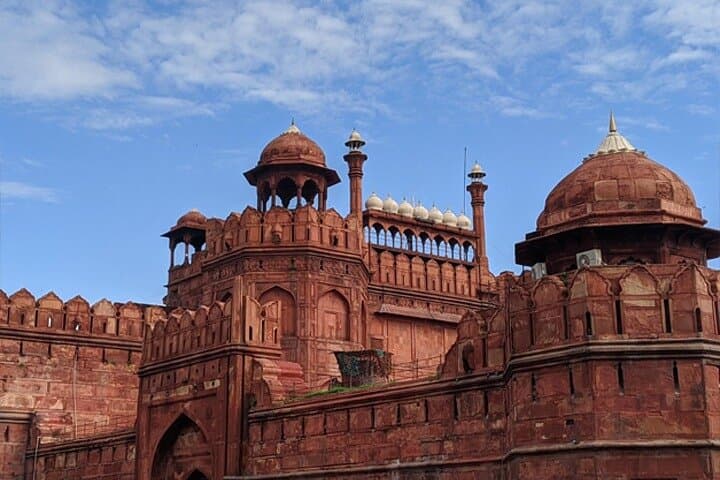
The route traces centuries of power: Qutub Minar and Jama Masjid in Delhi, the Mughal mastery visible in the Taj and Agra Fort, then the Hill Forts and City Palace of Jaipur where Rajput taste shaped the skyline. Geologically the plains are alluvium — flat, wide and open — which makes the long drives between cities efficient but exposes travelers to heat in summer and damp roads during monsoon.
Culturally, street spice markets and step wells (Panna Meena ka Kund) offer immediacy: merchants, sweets, and the practiced call of vendors. Local guides decode the symbolism carved into palaces and the etiquette for religious sites.
Practical guidance: plan early starts (Taj at sunrise is worth the 3–4 hour drive), carry a refillable water bottle, and wear comfortable walking shoes and modest clothing for mosque visits. Expect security lines and ID checks at major monuments. Hotel transfers are private and air-conditioned, easing logistics; still, keep small-denomination cash for tipping and markets. Heat can be intense March–June, so schedule heavier visits for mornings and late afternoons. With a private guide and vehicle, this Golden Triangle trip balances immersive history with manageable logistics, letting you move deliberately through India’s imperial highlights.
moderate.
3 days.
Suitable for travelers who can handle multiple full days of walking, stairs at monuments, and short drives between sites.
Entrance fees are not included by default; confirm with your operator—many private tours arrange tickets but expect the fee to be billed separately or paid on-site.
Yes. Major monuments require government-issued ID at entry; carry the passport used for booking.
Breakfast is included on days two and three with some hotel options; other meals and snacks are usually on your own unless specified.
Many parts of the itinerary are accessible (private vehicle, some flat sites), but historic monuments have steps and uneven surfaces—check specifics with your operator before booking.
The Golden Triangle links political and royal centers: Delhi’s Sultanate and colonial era sites, Agra’s Mughal masterpieces, and Jaipur’s Rajput palaces, reflecting centuries of shifting power and patronage.
Monuments face strain from visitor volumes; carry water in refillable bottles, follow local guide directions, and avoid touching delicate inlay work to minimize impact.
AR INDIA TOUR operates guided outdoor trips and adventures with an emphasis on safety, stewardship, and memorable experiences.
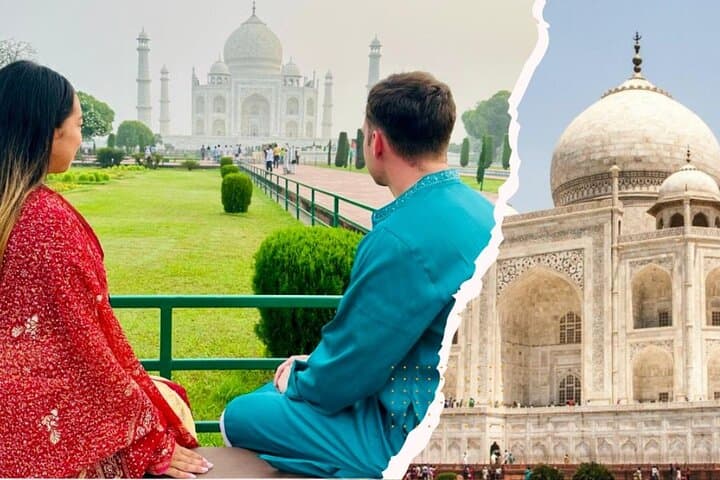
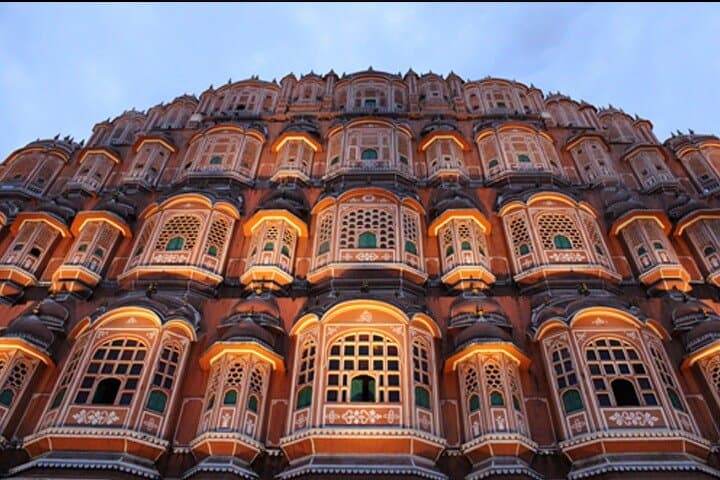
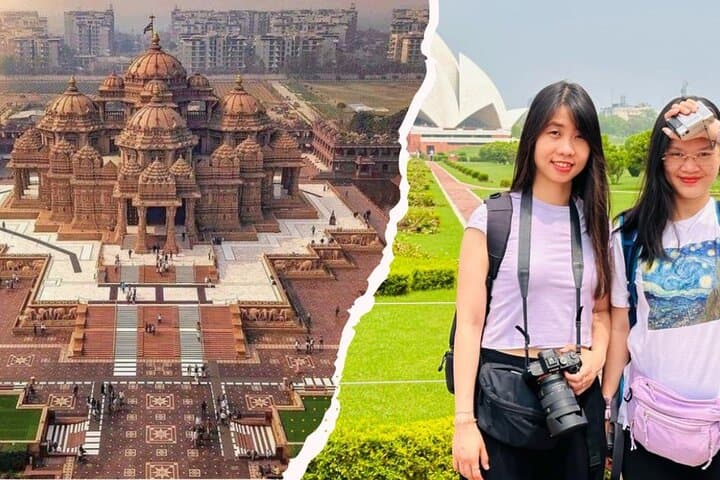
Dawn spills across the Yamuna as your private car eases through New Delhi’s wide avenues — a city that hums with layered histories. The first morning finds you at the Taj Mahal as the monument’s marble takes on soft gold; later, Jaipur’s red sandstone palaces glow under a cooler sunset. This is a three-day circuit that moves you from colonial boulevards to Mughal mausoleums and Rajput forts without the crowds of a group bus.
Dawn spills across the Yamuna as your private car eases through New Delhi’s wide avenues — a city that hums with layered histories. The first morning finds you at the Taj Mahal as the monument’s marble takes on soft gold; later, Jaipur’s red sandstone palaces glow under a cooler sunset. This is a three-day circuit that moves you from colonial boulevards to Mughal mausoleums and Rajput forts without the crowds of a group bus.
The route traces centuries of power: Qutub Minar and Jama Masjid in Delhi, the Mughal mastery visible in the Taj and Agra Fort, then the Hill Forts and City Palace of Jaipur where Rajput taste shaped the skyline. Geologically the plains are alluvium — flat, wide and open — which makes the long drives between cities efficient but exposes travelers to heat in summer and damp roads during monsoon.
Culturally, street spice markets and step wells (Panna Meena ka Kund) offer immediacy: merchants, sweets, and the practiced call of vendors. Local guides decode the symbolism carved into palaces and the etiquette for religious sites.
Practical guidance: plan early starts (Taj at sunrise is worth the 3–4 hour drive), carry a refillable water bottle, and wear comfortable walking shoes and modest clothing for mosque visits. Expect security lines and ID checks at major monuments. Hotel transfers are private and air-conditioned, easing logistics; still, keep small-denomination cash for tipping and markets. Heat can be intense March–June, so schedule heavier visits for mornings and late afternoons. With a private guide and vehicle, this Golden Triangle trip balances immersive history with manageable logistics, letting you move deliberately through India’s imperial highlights.