THE ADVENTURE COLLECTIVE® · Independent discovery and booking for outdoor travel

Combine a lake cruise, the world’s steepest cogwheel railway and an aerial cableway on a private day trip from Luzern to Mt. Pilatus. Expect engineered climbs, alpine terraces and panoramic views with minimal hiking required.
Combine a lake cruise, the world’s steepest cogwheel railway and an aerial cableway on a private day trip from Luzern to Mt. Pilatus. Expect engineered climbs, alpine terraces and panoramic views with minimal hiking required.
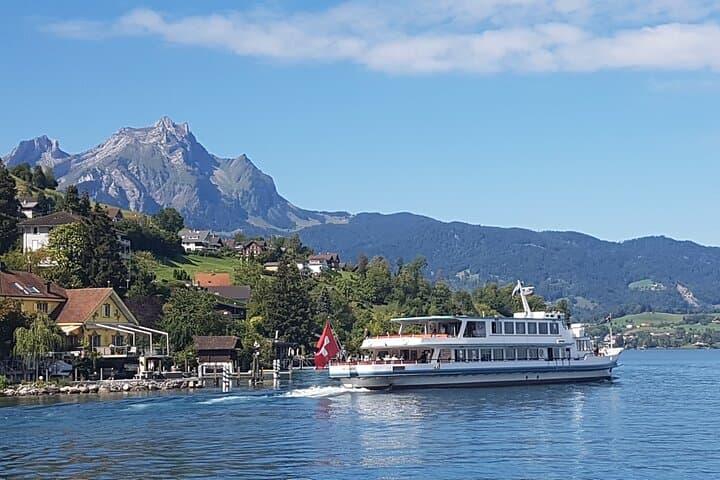
The day begins on the blue shoulder of Lake Lucerne, the boat slipping away from the city and leaving church steeples and cobbled streets behind.
Verified experiences and guided adventures in the surrounding area.
Operated by SwissTravelGuide.ch · Luzern, Canton of Lucerne
The day begins on the blue shoulder of Lake Lucerne, the boat slipping away from the city and leaving church steeples and cobbled streets behind.
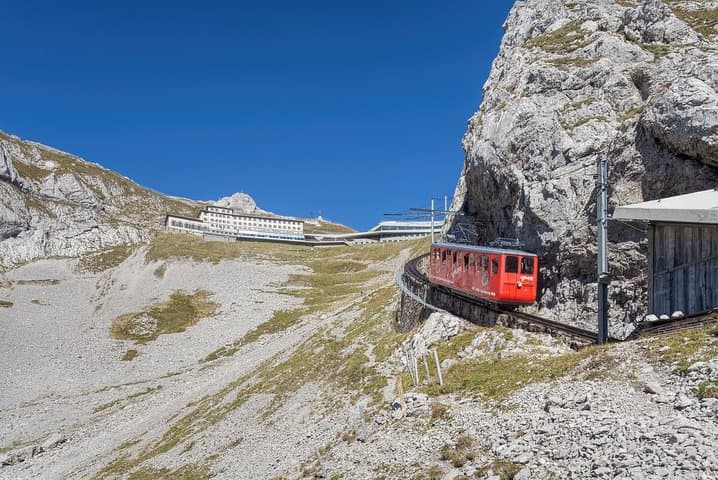
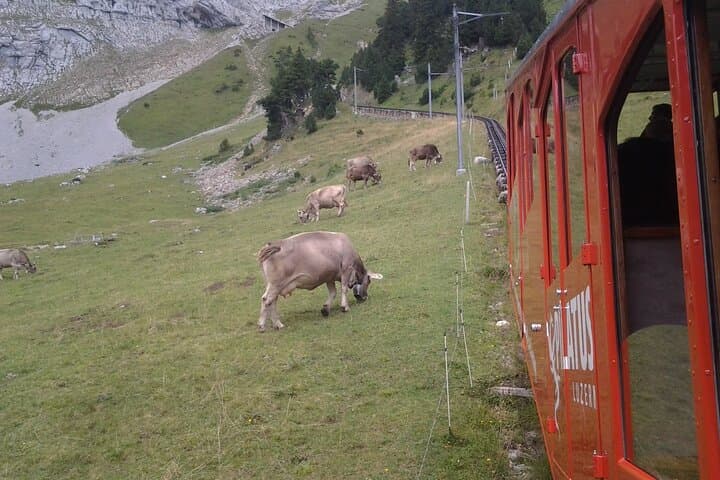
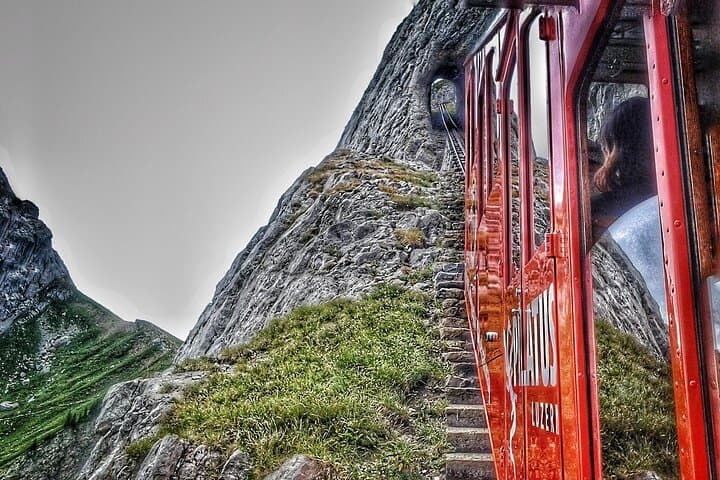
By the time you reach Alpnachstad, the shore has been replaced by steep meadows and the cogwheel’s teeth appear, ready to pull you up the world’s steepest rack railway toward Pilatus Kulm. The ascent takes roughly 35 minutes; alpine air sharpens and the panorama opens in stages — firs, rock faces, and finally a broad, wind-swept summit with terraces and a multimedia gallery that explains the mountain’s geology and old dragon legends.
Pilatus is a product of glacial carving and limestone uplifts; the railway, operating since the late 19th century, is an engineering highlight. Local culture links the peak to folklore — tales of dragons once kept on the mountain — and to Lucerne’s lakeside towns that supplied trade and timber for centuries.
Practicalities shape the day: the full loop runs about 6–7 hours, with easier walking around the summit and family-friendly recreation at Fräkmüntegg (toboggan, rope park). Boats and the Pilatusbahn run in summer; in shoulder months the gondola replaces the cogwheel. Weather changes fast at altitude — plan layers, sunscreen, and water.
Expect short, steep stair sections at viewing terraces, family crowds in high season, and clear views on calm days. The route is curated for private groups, offering guide-led interpretation and flexible pacing — an efficient way to experience alpine geology, Swiss transport heritage, and sweeping lake vistas in one day.
easy.
6–7 hours.
Suitable for most fitness levels; involves short walks and some stair sections at altitude but no sustained hiking.
No — the Pilatusbahn and the one-way boat between Lucerne and Alpnachstad operate mainly June–October; in winter and shoulder months the tour uses gondolas and panoramic boats instead.
The tour is low-impact: mostly transit and short walks on paved or well-marked paths; participants should be comfortable with stairs and brief uneven sections.
Many elements are wheelchair accessible and transport options are adapted, but some summit terraces and attractions have steps — contact the operator ahead for assistance requests.
Yes; Fräkmüntegg offers a toboggan run, rope park and picnic areas and the itinerary is family-friendly, though children must be accompanied by an adult.
The Pilatusbahn opened in 1889 and remains famed for its steep gradient and 19th-century rack-rail engineering; local folklore links the mountain to dragon legends and medieval pilgrimage routes.
High visitor numbers require sticking to marked paths and carrying out litter; favor public transport and certified guides to reduce local impact.
SwissTravelGuide.ch operates guided outdoor trips and adventures with an emphasis on safety, stewardship, and memorable experiences.
The day begins on the blue shoulder of Lake Lucerne, the boat slipping away from the city and leaving church steeples and cobbled streets behind.
The day begins on the blue shoulder of Lake Lucerne, the boat slipping away from the city and leaving church steeples and cobbled streets behind.
By the time you reach Alpnachstad, the shore has been replaced by steep meadows and the cogwheel’s teeth appear, ready to pull you up the world’s steepest rack railway toward Pilatus Kulm. The ascent takes roughly 35 minutes; alpine air sharpens and the panorama opens in stages — firs, rock faces, and finally a broad, wind-swept summit with terraces and a multimedia gallery that explains the mountain’s geology and old dragon legends.
Pilatus is a product of glacial carving and limestone uplifts; the railway, operating since the late 19th century, is an engineering highlight. Local culture links the peak to folklore — tales of dragons once kept on the mountain — and to Lucerne’s lakeside towns that supplied trade and timber for centuries.
Practicalities shape the day: the full loop runs about 6–7 hours, with easier walking around the summit and family-friendly recreation at Fräkmüntegg (toboggan, rope park). Boats and the Pilatusbahn run in summer; in shoulder months the gondola replaces the cogwheel. Weather changes fast at altitude — plan layers, sunscreen, and water.
Expect short, steep stair sections at viewing terraces, family crowds in high season, and clear views on calm days. The route is curated for private groups, offering guide-led interpretation and flexible pacing — an efficient way to experience alpine geology, Swiss transport heritage, and sweeping lake vistas in one day.