THE ADVENTURE COLLECTIVE® · Independent discovery and booking for outdoor travel

A private, six-hour exploration of the Giza Plateau that pairs guided archaeological context with a professional photo session. Ideal for travelers who want focused access to the Great Pyramid, Sphinx and panoramic viewpoints with local transfers included.
A private, six-hour exploration of the Giza Plateau that pairs guided archaeological context with a professional photo session. Ideal for travelers who want focused access to the Great Pyramid, Sphinx and panoramic viewpoints with local transfers included.
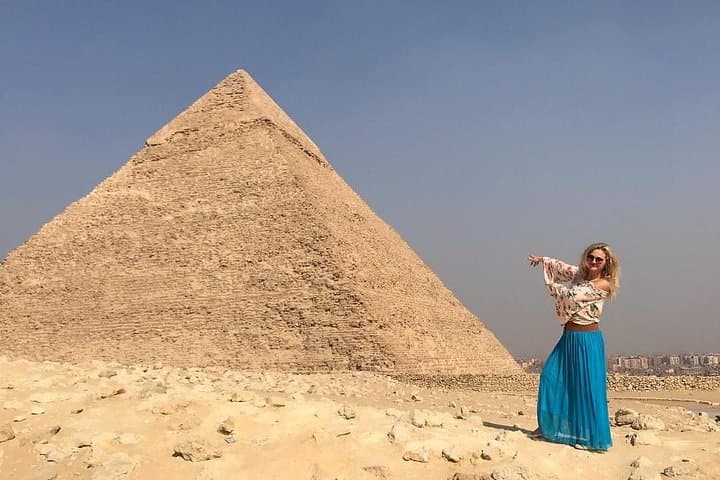
Sunlight throws long, warm angles across the Giza Plateau as the Great Pyramid rises against a pale blue sky — a hulking geometry of time that seems to breathe history. Guests step from a private air-conditioned vehicle onto wind-scoured sand, guided by an Egyptologist while a professional photographer stages shots that turn an ordinary visit into a personal archive.
Verified experiences and guided adventures in the surrounding area.
Operated by Emo Tours Egypt · Giza, Cairo Governorate
Sunlight throws long, warm angles across the Giza Plateau as the Great Pyramid rises against a pale blue sky — a hulking geometry of time that seems to breathe history. Guests step from a private air-conditioned vehicle onto wind-scoured sand, guided by an Egyptologist while a professional photographer stages shots that turn an ordinary visit into a personal archive.
The plateau holds more than three visible pyramids; smaller queen pyramids, valley temples and the Sphinx cluster speak to an elaborate funerary landscape developed during Egypt’s Old Kingdom (c. 2600–2500 BCE). The Great Pyramid of Khufu once wore polished casing stones; what remains is core limestone that tells a quieter geological story of ancient sea-bed sediment uplifted and quarried into monuments.
Locally, hospitality is transactional and warm — vendors offer water, camel handlers negotiate rides, and small cafés near the Panorama Point serve mint tea with view seats. Conservation rules forbid climbing the monuments and encourage staying on designated paths to limit erosion.
Practical guidance: aim for early morning or late afternoon to avoid midday heat and harsh light. Wear sturdy, closed shoes for uneven limestone and sand; bring a brimmed hat, sunscreen and a refillable water bottle. Expect about six hours including round-trip hotel transfer, on-site walking and a camel photo opportunity. The tour typically includes basic-area entry fees and a digital/photo package; upgraded prints or albums are extra. Keep identification handy for ticketing; be prepared to negotiate modest tipping for guides and camel handlers. With organized pick-up and a professional photographer, this private tour foregrounds efficiency and memorable imagery while keeping access and pacing comfortable for most visitors.
easy.
6 hours.
Light to moderate fitness — requires walking on uneven ground and short stands for photos and viewpoints
The tour includes basic-area entry fees to the Giza Plateau; access to restricted internal passages (e.g., the King's Chamber) may require separate tickets and availability.
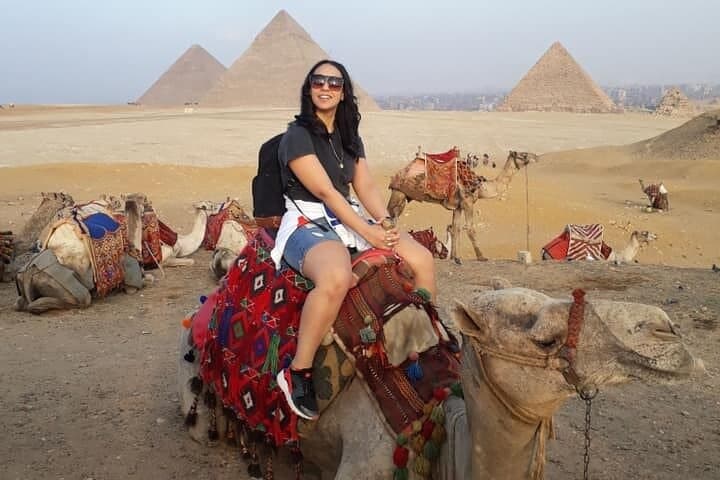
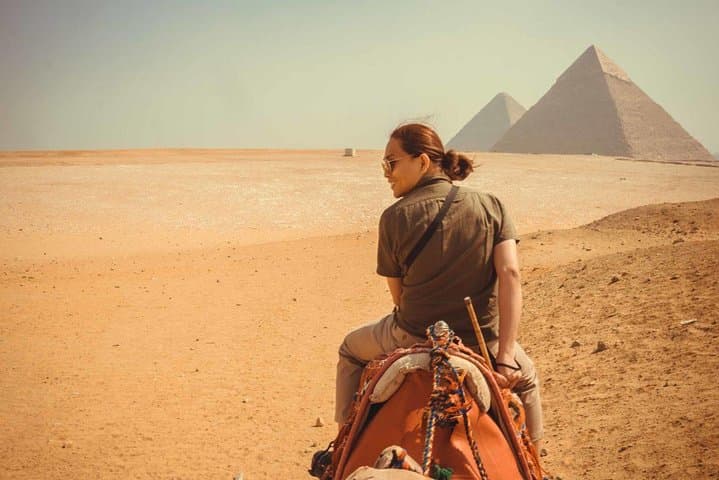
Camel rides around the plateau are typically part of the on-site experience, but confirm whether it’s included or charged as an add-on when booking.
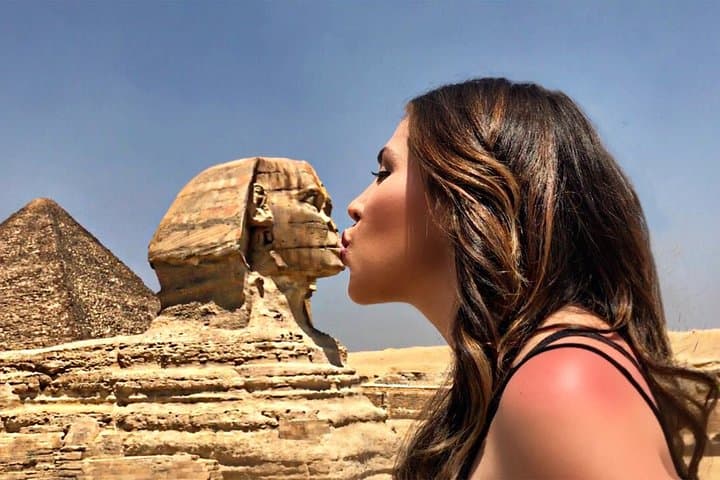
A professional photographer accompanies the tour and delivers edited digital photos on a CD; higher-quality prints or a printed album are available for an extra fee.
This tour is not recommended for travelers with spinal injuries, serious heart conditions, or for pregnant visitors due to uneven ground and camel-ride risks.
The principal pyramids on the Giza Plateau were constructed in the 4th Dynasty (c. 2600–2500 BCE) as royal funerary complexes, with Khufu’s Great Pyramid the largest and oldest of the group.
Visitor pressure and urban pollution contribute to limestone erosion; follow guide directions, avoid touching reliefs and don’t climb monuments to help preserve the site.
Emo Tours Egypt operates guided outdoor trips and adventures with an emphasis on safety, stewardship, and memorable experiences.
Sunlight throws long, warm angles across the Giza Plateau as the Great Pyramid rises against a pale blue sky — a hulking geometry of time that seems to breathe history. Guests step from a private air-conditioned vehicle onto wind-scoured sand, guided by an Egyptologist while a professional photographer stages shots that turn an ordinary visit into a personal archive.
Sunlight throws long, warm angles across the Giza Plateau as the Great Pyramid rises against a pale blue sky — a hulking geometry of time that seems to breathe history. Guests step from a private air-conditioned vehicle onto wind-scoured sand, guided by an Egyptologist while a professional photographer stages shots that turn an ordinary visit into a personal archive.
The plateau holds more than three visible pyramids; smaller queen pyramids, valley temples and the Sphinx cluster speak to an elaborate funerary landscape developed during Egypt’s Old Kingdom (c. 2600–2500 BCE). The Great Pyramid of Khufu once wore polished casing stones; what remains is core limestone that tells a quieter geological story of ancient sea-bed sediment uplifted and quarried into monuments.
Locally, hospitality is transactional and warm — vendors offer water, camel handlers negotiate rides, and small cafés near the Panorama Point serve mint tea with view seats. Conservation rules forbid climbing the monuments and encourage staying on designated paths to limit erosion.
Practical guidance: aim for early morning or late afternoon to avoid midday heat and harsh light. Wear sturdy, closed shoes for uneven limestone and sand; bring a brimmed hat, sunscreen and a refillable water bottle. Expect about six hours including round-trip hotel transfer, on-site walking and a camel photo opportunity. The tour typically includes basic-area entry fees and a digital/photo package; upgraded prints or albums are extra. Keep identification handy for ticketing; be prepared to negotiate modest tipping for guides and camel handlers. With organized pick-up and a professional photographer, this private tour foregrounds efficiency and memorable imagery while keeping access and pacing comfortable for most visitors.