THE ADVENTURE COLLECTIVE® · Independent discovery and booking for outdoor travel

Spend a private half-day on the Giza Plateau with an Egyptologist guide—visit all three pyramids, the Sphinx, and a panoramic viewpoint. Add a camel ride or local lunch and skip logistical hassles with hotel pickup in an air-conditioned vehicle.
Spend a private half-day on the Giza Plateau with an Egyptologist guide—visit all three pyramids, the Sphinx, and a panoramic viewpoint. Add a camel ride or local lunch and skip logistical hassles with hotel pickup in an air-conditioned vehicle.
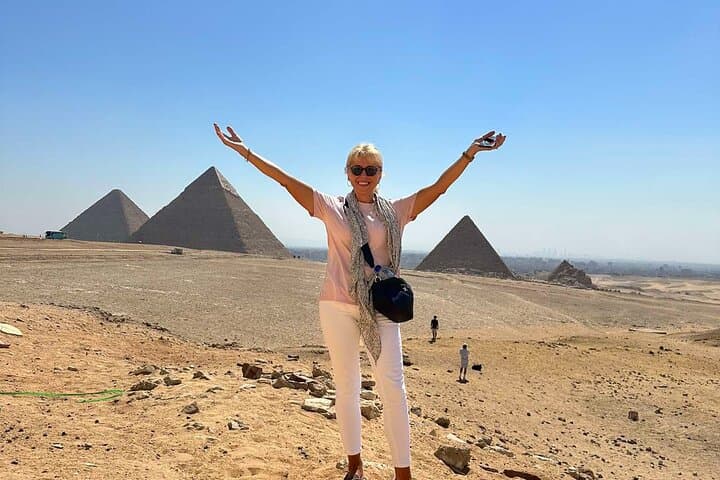
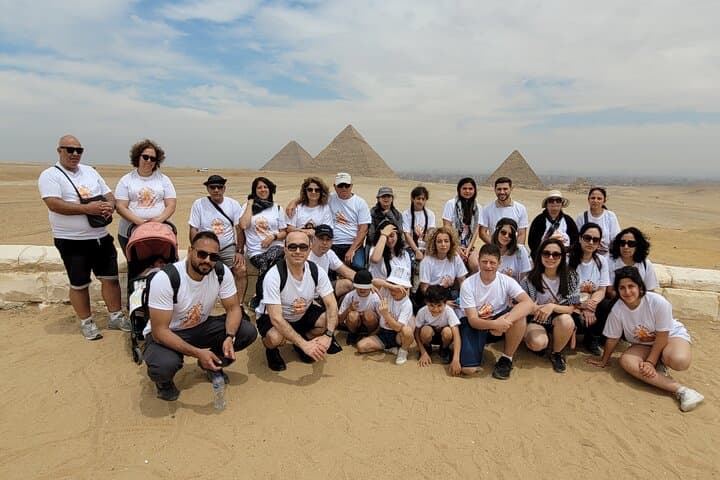
You arrive before the wind has warmed the limestone—sand shifts underfoot and the city hums in the distance as three geometric giants dominate the horizon.
Verified experiences and guided adventures in the surrounding area.
Operated by Egypt 2 Go · Giza, Giza Governorate
You arrive before the wind has warmed the limestone—sand shifts underfoot and the city hums in the distance as three geometric giants dominate the horizon.
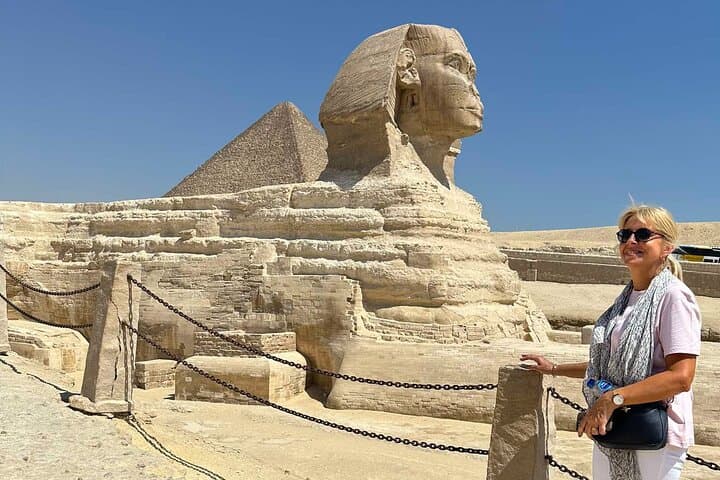
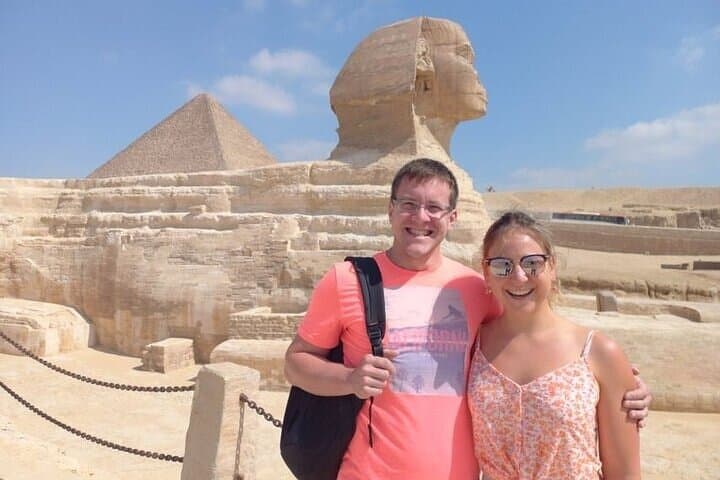
On a private half-day tour across the Giza Plateau you move from the scale of Khufu’s Great Pyramid to the intimate stonework of Menkaure, pausing at Khafre’s Valley Temple where diabase and limestone still gleam. The Sphinx looms close, its weathered face holding centuries of ritual and repair. Geologically, the plateau is Miocene limestone capped by quarried blocks transported and set with astonishing precision; culturally, the site has been both living village and national symbol for millennia.
A private Egyptologist guide frames the monuments—construction theories, the funerary purpose of the complexes, and the solar-boat found near Khufu—while practicalities are handled: tickets, potential interior-entry passes, and a camel ride or lunch if selected.
Expect uneven, sandy surfaces and brief uphill walks between viewpoints. Photographing the panoramic ridge gives the best sense of scale; morning light softens the facade, late afternoon casts long shadows for dramatic silhouettes.
Practical guidance: bring sun protection and at least 1–2 liters of water, wear closed walking shoes with grip, and keep valuables secure—the plateau is public and busy. If entering a pyramid, purchase special entry tickets in advance when possible. Your private driver and guide will streamline logistics, but allow time for ticket queues and brief stops for photos. This tour suits travelers seeking concentrated cultural immersion with low physical demand.
easy.
4 hours.
Light walking on uneven, sandy terrain; suitable for most fitness levels but expect short uphill sections.
Yes—interior visits to Khufu and some other pyramids require a limited, separate ticket; your private guide can arrange this in advance when available.
Camel rides are typically an optional upgrade; confirm and book the option ahead if you want the full plateau experience.
The plateau has uneven ground and sand; short walks are required and some areas aren’t wheelchair-accessible—notify the operator ahead to arrange pickup/drop-off and best viewpoints.
Tipping is customary in Egypt; plan modest tips for the guide and driver based on service level—your guide can advise local norms.
The Giza pyramids were constructed as royal funerary complexes during Egypt’s Old Kingdom (c. 2600–2500 BCE); the Great Pyramid of Khufu is the only surviving structure of the ancient Seven Wonders.
High visitor numbers stress the fragile stone and surrounding ecosystem; follow marked paths, avoid climbing the pyramids, and use licensed guides to reduce impact.
Egypt 2 Go operates guided outdoor trips and adventures with an emphasis on safety, stewardship, and memorable experiences.
You arrive before the wind has warmed the limestone—sand shifts underfoot and the city hums in the distance as three geometric giants dominate the horizon.
You arrive before the wind has warmed the limestone—sand shifts underfoot and the city hums in the distance as three geometric giants dominate the horizon.
On a private half-day tour across the Giza Plateau you move from the scale of Khufu’s Great Pyramid to the intimate stonework of Menkaure, pausing at Khafre’s Valley Temple where diabase and limestone still gleam. The Sphinx looms close, its weathered face holding centuries of ritual and repair. Geologically, the plateau is Miocene limestone capped by quarried blocks transported and set with astonishing precision; culturally, the site has been both living village and national symbol for millennia.
A private Egyptologist guide frames the monuments—construction theories, the funerary purpose of the complexes, and the solar-boat found near Khufu—while practicalities are handled: tickets, potential interior-entry passes, and a camel ride or lunch if selected.
Expect uneven, sandy surfaces and brief uphill walks between viewpoints. Photographing the panoramic ridge gives the best sense of scale; morning light softens the facade, late afternoon casts long shadows for dramatic silhouettes.
Practical guidance: bring sun protection and at least 1–2 liters of water, wear closed walking shoes with grip, and keep valuables secure—the plateau is public and busy. If entering a pyramid, purchase special entry tickets in advance when possible. Your private driver and guide will streamline logistics, but allow time for ticket queues and brief stops for photos. This tour suits travelers seeking concentrated cultural immersion with low physical demand.