THE ADVENTURE COLLECTIVE® · Independent discovery and booking for outdoor travel

Spend a private morning on the Giza Plateau with an Egyptologist guide: stand inside a pyramid, circle the Sphinx, ride a camel and enjoy a traditional lunch. This concise, guided visit pairs historical insight with practical logistics for first-time visitors.
Spend a private morning on the Giza Plateau with an Egyptologist guide: stand inside a pyramid, circle the Sphinx, ride a camel and enjoy a traditional lunch. This concise, guided visit pairs historical insight with practical logistics for first-time visitors.
The sun has already climbed when you meet the limestone plateau: wind pushes sand across packed earth, camels shift their weight like slow metronomes, and the pyramids rise—geometric, indifferent, ancient. The Sphinx sits a little lower, its profile watching traffic and tourists alike, as your Egyptologist guide maps out stones, myths, and measurements.
Verified experiences and guided adventures in the surrounding area.
Operated by Egypt Guided Tours · Giza, Giza Governorate
The sun has already climbed when you meet the limestone plateau: wind pushes sand across packed earth, camels shift their weight like slow metronomes, and the pyramids rise—geometric, indifferent, ancient. The Sphinx sits a little lower, its profile watching traffic and tourists alike, as your Egyptologist guide maps out stones, myths, and measurements.
Built roughly 4,500 years ago during Egypt’s Fourth Dynasty, the Great Pyramid of Khufu was once the tallest man-made structure on Earth. The plateau is primarily limestone bedrock with quarried casing stones that once gleamed in sunlight; the Sphinx itself is carved from the same formation. Your guide will stitch together construction theories, funerary practices, and discoveries from the nearby workers’ village while pointing out how geology shaped architecture and ritual.
Practically speaking, expect a 3–6 hour window for a private half- to full-day visit. Start early for cooler light and smaller crowds; late afternoon yields dramatic shadows for photos. The terrain is mostly flat but uneven—sand and stone demand steady footwear. Entering a pyramid requires a separate ticket and involves narrow, steep passages; those with limited mobility should skip interior access. The camel ride (20–30 minutes typically) gives a different perspective of the plateau but be prepared for jostle and dust.
Bring sun protection, at least 1–2 liters of water, and cash for tips and optional extras. Respect local customs—dress modestly near entrances—and avoid touching fragile masonry. Your guide handles logistics and context; your role is to listen, observe, and leave no trace on these very old stones.
easy.
3–6 hours.
Light walking on uneven sand and paved surfaces; suitable for most travelers with basic mobility
Interior access is limited and often requires a separate ticket or an all-inclusive option; availability can change, so confirm at booking.
Short camel rides (20–30 minutes) are common and generally safe, but inform the operator about small children and follow handlers’ instructions; bring a helmet if offered.
Plan 3–6 hours total for pickup, plateau time, optional pyramid interior, camel ride, and lunch depending on the chosen package.
Private tours frequently include qualified Egyptologist guides; confirm credentials when booking for deeper historical context.
The Great Pyramid was built during Khufu’s reign as a monumental tomb; the Sphinx carved from bedrock likely dates to the same general era and served a protective, symbolic role.
Tourism places wear on stone and surrounding desert; follow site rules, avoid touching masonry, and use official paths to reduce erosion and damage.
Egypt Guided Tours operates guided outdoor trips and adventures with an emphasis on safety, stewardship, and memorable experiences.
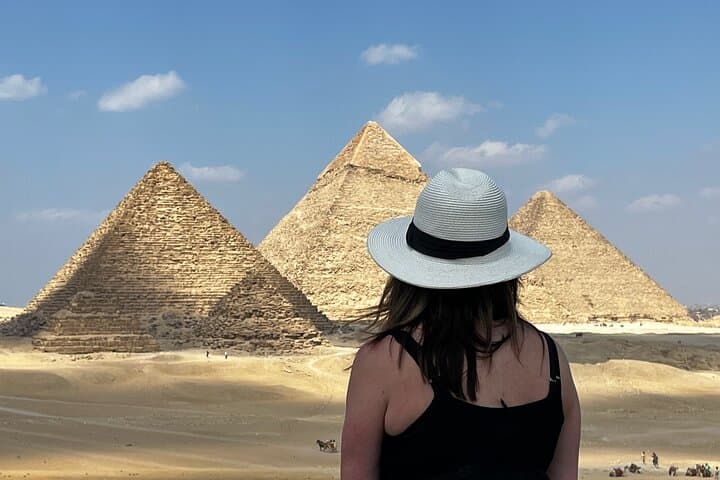
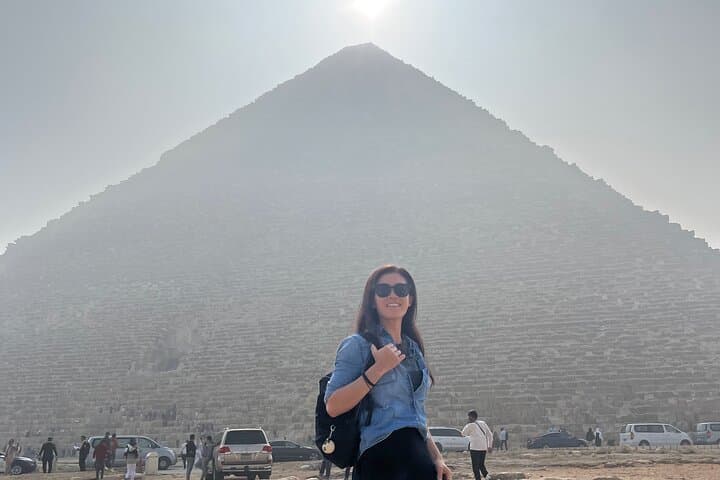
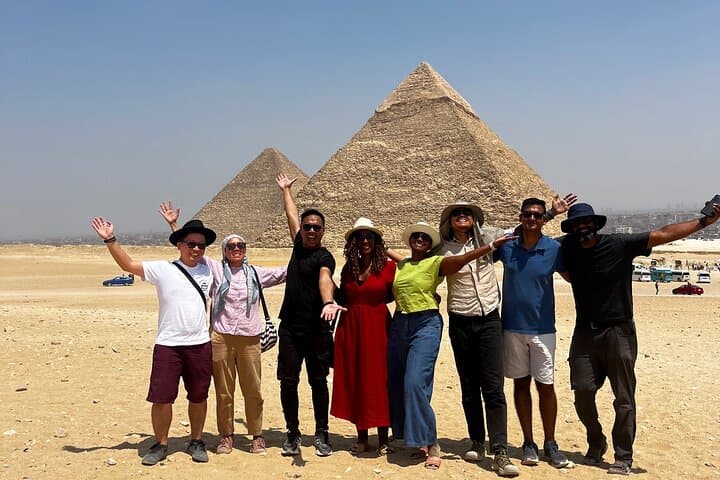
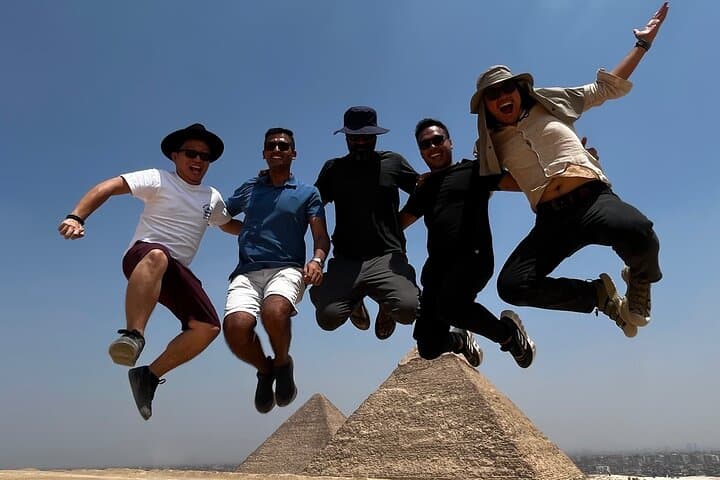
The sun has already climbed when you meet the limestone plateau: wind pushes sand across packed earth, camels shift their weight like slow metronomes, and the pyramids rise—geometric, indifferent, ancient. The Sphinx sits a little lower, its profile watching traffic and tourists alike, as your Egyptologist guide maps out stones, myths, and measurements.
The sun has already climbed when you meet the limestone plateau: wind pushes sand across packed earth, camels shift their weight like slow metronomes, and the pyramids rise—geometric, indifferent, ancient. The Sphinx sits a little lower, its profile watching traffic and tourists alike, as your Egyptologist guide maps out stones, myths, and measurements.
Built roughly 4,500 years ago during Egypt’s Fourth Dynasty, the Great Pyramid of Khufu was once the tallest man-made structure on Earth. The plateau is primarily limestone bedrock with quarried casing stones that once gleamed in sunlight; the Sphinx itself is carved from the same formation. Your guide will stitch together construction theories, funerary practices, and discoveries from the nearby workers’ village while pointing out how geology shaped architecture and ritual.
Practically speaking, expect a 3–6 hour window for a private half- to full-day visit. Start early for cooler light and smaller crowds; late afternoon yields dramatic shadows for photos. The terrain is mostly flat but uneven—sand and stone demand steady footwear. Entering a pyramid requires a separate ticket and involves narrow, steep passages; those with limited mobility should skip interior access. The camel ride (20–30 minutes typically) gives a different perspective of the plateau but be prepared for jostle and dust.
Bring sun protection, at least 1–2 liters of water, and cash for tips and optional extras. Respect local customs—dress modestly near entrances—and avoid touching fragile masonry. Your guide handles logistics and context; your role is to listen, observe, and leave no trace on these very old stones.