THE ADVENTURE COLLECTIVE® · Independent discovery and booking for outdoor travel

Experience the Giza Plateau on a private, 4–5 hour guided tour that visits the Great Pyramids, Sphinx and Valley Temple with hotel pickup and guide-shot photos included. Learn practical tips for timing, terrain and respectful behavior while capturing those iconic images.
Experience the Giza Plateau on a private, 4–5 hour guided tour that visits the Great Pyramids, Sphinx and Valley Temple with hotel pickup and guide-shot photos included. Learn practical tips for timing, terrain and respectful behavior while capturing those iconic images.
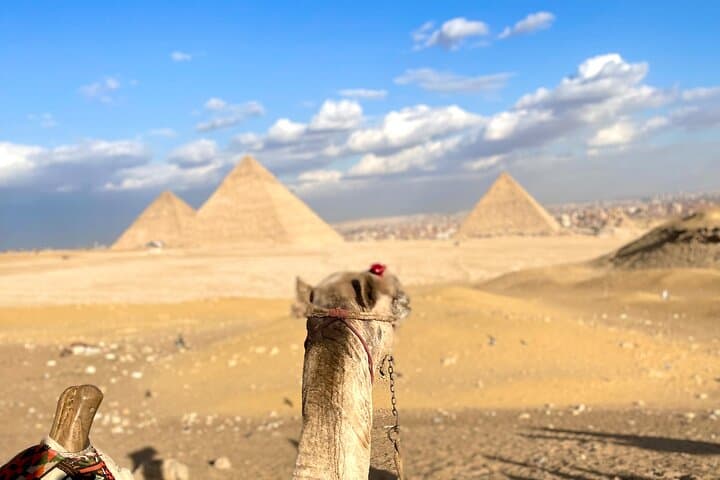
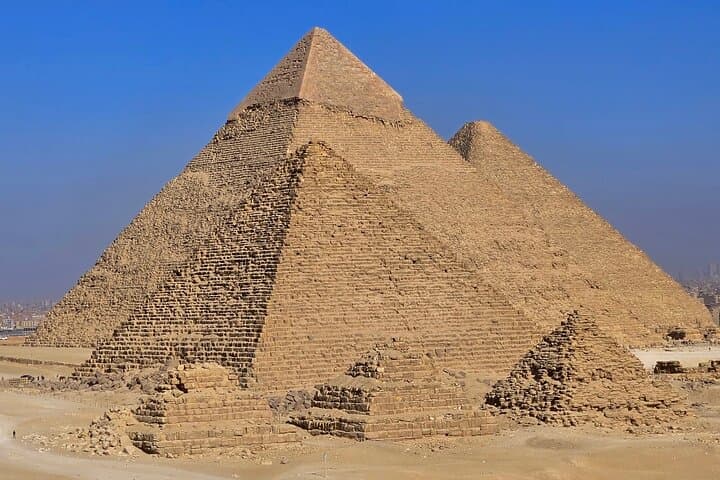
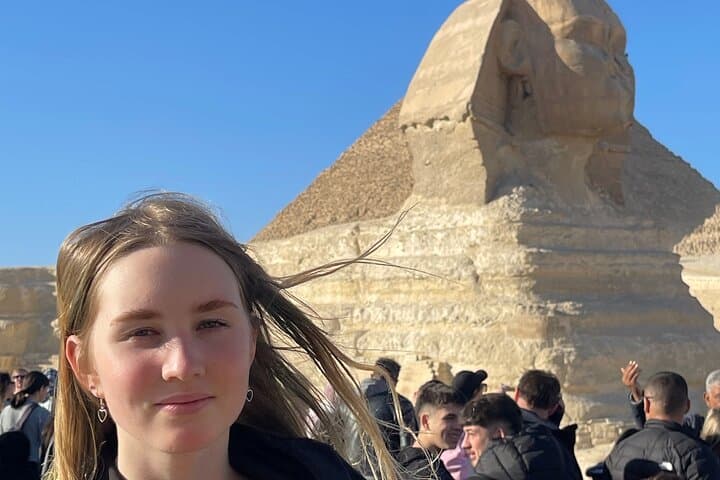
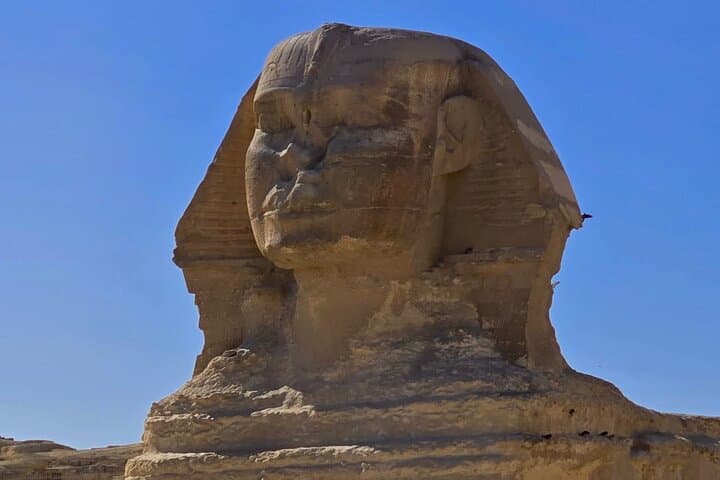
You step from the air-conditioned vehicle onto the dust-scraped plateau and the scale of stone shifts the air around you. The Great Pyramid sits in silent geometry, its edges catching the sun while the Sphinx watches with a human face carved into millennia of wind. A private guide moves beside you, framing the site with stories and a camera that captures the moment without crowd interference.
Verified experiences and guided adventures in the surrounding area.
Operated by Sam Tours Egypt · Giza, Giza
You step from the air-conditioned vehicle onto the dust-scraped plateau and the scale of stone shifts the air around you. The Great Pyramid sits in silent geometry, its edges catching the sun while the Sphinx watches with a human face carved into millennia of wind. A private guide moves beside you, framing the site with stories and a camera that captures the moment without crowd interference.
The three major pyramids—Khufu, Khafre and Menkaure—date to Egypt’s Fourth Dynasty, roughly 4,500 years ago. The Valley Temple’s dressed limestone and mortuary chambers reveal the practical side of ancient burial rites; it’s where priests prepared kings for the afterlife. Geologically, the plateau is a raised limestone shelf; many visible blocks are quarried in situ, offering a lesson in ancient engineering and local stonework. Culturally, the site remains active: vendors, camel handlers and contemporary Cairo life weave through the ruins, reminding visitors this is a lived landscape as much as a museum.
Practical guidance: expect uneven surfaces, short loose-sand slopes and long sun exposure. A private tour with hotel pickup condenses travel logistics into a 4–5 hour window; photos taken by the guide remove the need to stage pictures. Time your visit for morning or late afternoon light to avoid peak heat and heavy crowds. Dress conservatively, bring a refillable water bottle, sun protection and comfortable shoes with good traction. Respect barriers, keep a measured distance from fragile masonry and follow your guide’s route—doing so preserves both your safety and these ancient stones for the people who will come next.
moderate.
4–5 hours.
Moderate fitness; able to stand and walk on uneven ground for several hours and tolerate short sandy slopes.
Yes; the tour information indicates entrance fees to the Giza Plateau sites are included in the price.
Yes; the private tour includes high-quality photos taken by the guide as part of the experience.
The plateau has uneven terrain and some sandy slopes; it’s not recommended for travelers with significant mobility limitations or certain spinal conditions.
Yes; the tour offers hotel pickup and drop-off from Cairo and Giza hotels—confirm your pickup location at booking.
The pyramids at Giza were built during Egypt’s Fourth Dynasty (c. 2600–2500 BCE); the Valley Temple functioned as part of funerary rites and the Sphinx is commonly linked to Khafre’s complex.
Heavy visitation stresses stonework and archaeological features; stick to designated routes, avoid touching masonry and carry out any waste to support ongoing preservation efforts.
Sam Tours Egypt operates guided outdoor trips and adventures with an emphasis on safety, stewardship, and memorable experiences.
You step from the air-conditioned vehicle onto the dust-scraped plateau and the scale of stone shifts the air around you. The Great Pyramid sits in silent geometry, its edges catching the sun while the Sphinx watches with a human face carved into millennia of wind. A private guide moves beside you, framing the site with stories and a camera that captures the moment without crowd interference.
You step from the air-conditioned vehicle onto the dust-scraped plateau and the scale of stone shifts the air around you. The Great Pyramid sits in silent geometry, its edges catching the sun while the Sphinx watches with a human face carved into millennia of wind. A private guide moves beside you, framing the site with stories and a camera that captures the moment without crowd interference.
The three major pyramids—Khufu, Khafre and Menkaure—date to Egypt’s Fourth Dynasty, roughly 4,500 years ago. The Valley Temple’s dressed limestone and mortuary chambers reveal the practical side of ancient burial rites; it’s where priests prepared kings for the afterlife. Geologically, the plateau is a raised limestone shelf; many visible blocks are quarried in situ, offering a lesson in ancient engineering and local stonework. Culturally, the site remains active: vendors, camel handlers and contemporary Cairo life weave through the ruins, reminding visitors this is a lived landscape as much as a museum.
Practical guidance: expect uneven surfaces, short loose-sand slopes and long sun exposure. A private tour with hotel pickup condenses travel logistics into a 4–5 hour window; photos taken by the guide remove the need to stage pictures. Time your visit for morning or late afternoon light to avoid peak heat and heavy crowds. Dress conservatively, bring a refillable water bottle, sun protection and comfortable shoes with good traction. Respect barriers, keep a measured distance from fragile masonry and follow your guide’s route—doing so preserves both your safety and these ancient stones for the people who will come next.