THE ADVENTURE COLLECTIVE® · Independent discovery and booking for outdoor travel

Explore the Giza Plateau with a private Egyptologist guide, enter the third pyramid, and take a 30-minute camel ride around the ancient monuments. This five-hour private tour pairs focused history with practical planning tips for a comfortable visit.
Explore the Giza Plateau with a private Egyptologist guide, enter the third pyramid, and take a 30-minute camel ride around the ancient monuments. This five-hour private tour pairs focused history with practical planning tips for a comfortable visit.
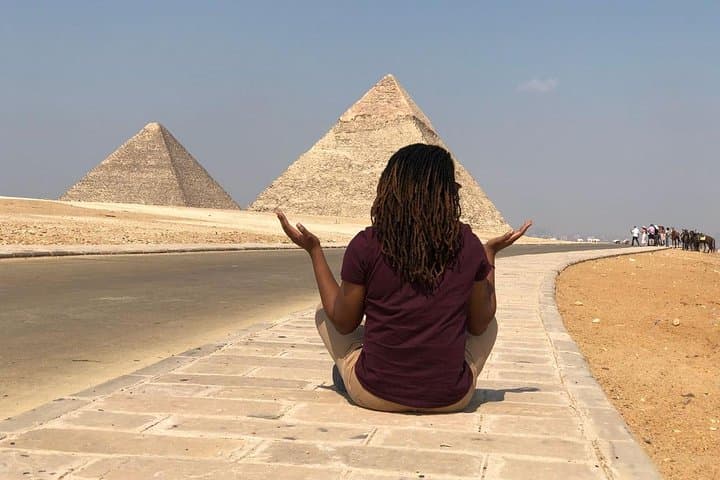
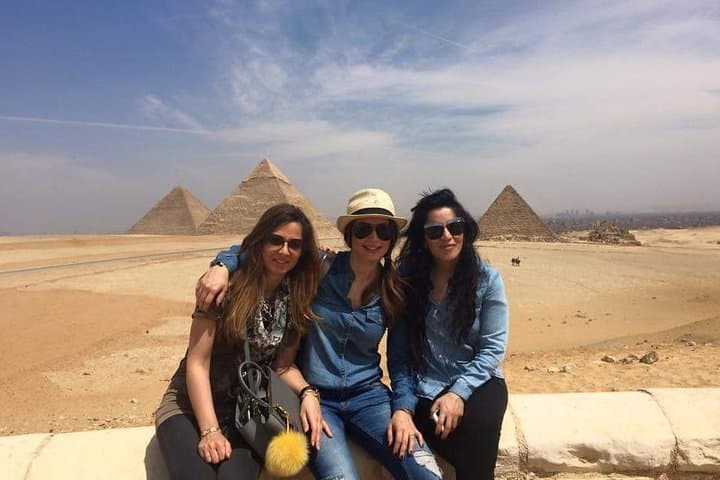
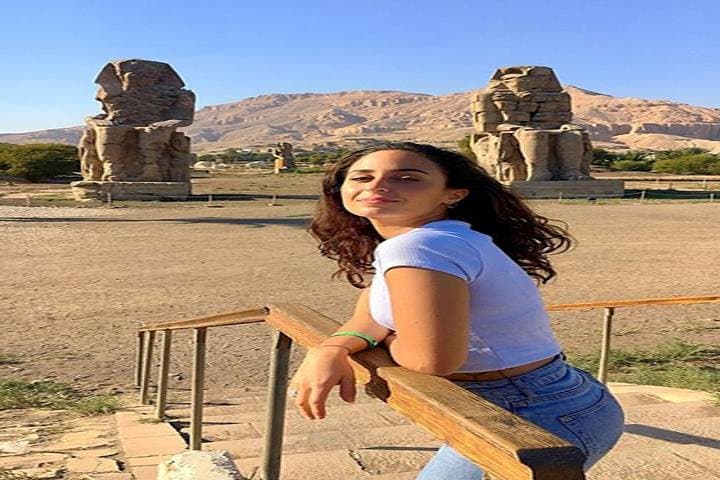
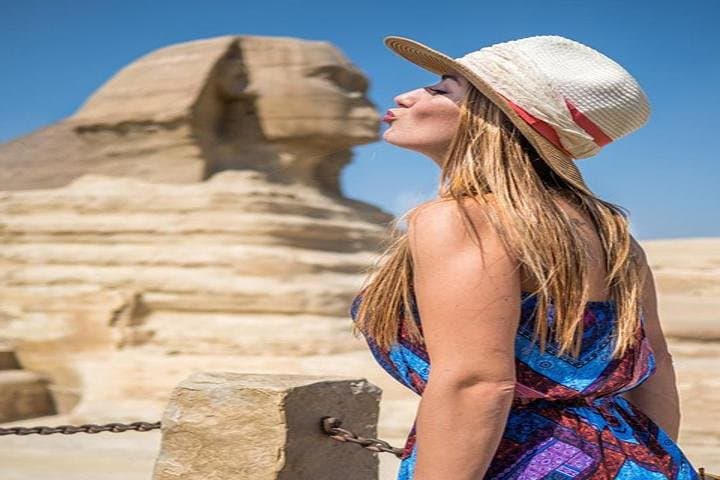
The midday sun throws hard edges across limestone as you arrive at the plateau: the three great pyramids rise like carved geometry from the pale sand, the Sphinx keeping a watch that feels both monumental and intimate. Your Egyptologist guide leads the way, voice lowering into stories that stitch pharaohs, quarrying, and ritual into the stones underfoot. A camel tugs gently at its reins nearby, the desert daring you to slow down and notice the horizon.
Verified experiences and guided adventures in the surrounding area.
Operated by Go Discovery travel · Giza, Cairo Governorate
The midday sun throws hard edges across limestone as you arrive at the plateau: the three great pyramids rise like carved geometry from the pale sand, the Sphinx keeping a watch that feels both monumental and intimate. Your Egyptologist guide leads the way, voice lowering into stories that stitch pharaohs, quarrying, and ritual into the stones underfoot. A camel tugs gently at its reins nearby, the desert daring you to slow down and notice the horizon.
Giza is a product of millennia—Old Kingdom engineering, local limestone and bedrock topography, and a city that has grown up against its monuments. Expect layers of human history: funerary complexes, workers’ cemeteries, and Coptic and Islamic Cairo nearby. The geology is straightforward—Eocene limestone capped by poorer sandstones—so the pyramids’ weathering patterns are visible up close.
Practically, plan for heat and dust: bring water, a hat, and covered shoes for walking on uneven stone and packed sand. Inside the third pyramid is narrow and steep; claustrophobic visitors should skip the descent. A private tour means skip-the-line time savings, a guided narrative tailored to questions, and hotel pickup and drop-off the operator includes. The 30-minute camel ride gives a different angle—use it for photos while being mindful of animal welfare and tipping.
Timing matters: early morning or late afternoon light is cleaner and cooler. Respect marker ropes, follow your guide near active roads, and leave no trace—these monuments endure because many generations have cared for them.
easy.
5 hours.
Suitable for most fitness levels; requires short walks on uneven ground and optional narrow descent into a pyramid.
This tour includes entry to the third pyramid; access to the Great Pyramid (Khufu) is limited and often requires separate permissions—confirm with your operator before booking.
The camel ride is approximately 30 minutes; it’s generally fine for older children, but very young children or anyone uneasy on animals should avoid it.
Yes, the tour lists hotel pickup and drop-off in Cairo as part of the private service—confirm your pickup point when you book.
Wear comfortable, breathable clothes and shoes you can remove quickly; the interior passages are narrow with low ceilings and sometimes steep steps.
The Giza complex dates to Egypt’s Fourth Dynasty (c. 2600–2500 BCE), built as monumental burial complexes for pharaohs such as Khufu, Khafre and Menkaure.
Ongoing conservation balances visitor access with preservation—avoid touching masonry and follow designated paths to reduce wear.
Go Discovery travel operates guided outdoor trips and adventures with an emphasis on safety, stewardship, and memorable experiences.
The midday sun throws hard edges across limestone as you arrive at the plateau: the three great pyramids rise like carved geometry from the pale sand, the Sphinx keeping a watch that feels both monumental and intimate. Your Egyptologist guide leads the way, voice lowering into stories that stitch pharaohs, quarrying, and ritual into the stones underfoot. A camel tugs gently at its reins nearby, the desert daring you to slow down and notice the horizon.
The midday sun throws hard edges across limestone as you arrive at the plateau: the three great pyramids rise like carved geometry from the pale sand, the Sphinx keeping a watch that feels both monumental and intimate. Your Egyptologist guide leads the way, voice lowering into stories that stitch pharaohs, quarrying, and ritual into the stones underfoot. A camel tugs gently at its reins nearby, the desert daring you to slow down and notice the horizon.
Giza is a product of millennia—Old Kingdom engineering, local limestone and bedrock topography, and a city that has grown up against its monuments. Expect layers of human history: funerary complexes, workers’ cemeteries, and Coptic and Islamic Cairo nearby. The geology is straightforward—Eocene limestone capped by poorer sandstones—so the pyramids’ weathering patterns are visible up close.
Practically, plan for heat and dust: bring water, a hat, and covered shoes for walking on uneven stone and packed sand. Inside the third pyramid is narrow and steep; claustrophobic visitors should skip the descent. A private tour means skip-the-line time savings, a guided narrative tailored to questions, and hotel pickup and drop-off the operator includes. The 30-minute camel ride gives a different angle—use it for photos while being mindful of animal welfare and tipping.
Timing matters: early morning or late afternoon light is cleaner and cooler. Respect marker ropes, follow your guide near active roads, and leave no trace—these monuments endure because many generations have cared for them.