THE ADVENTURE COLLECTIVE® · Independent discovery and booking for outdoor travel

Explore the Giza Plateau with a private Egyptologist, short camel ride and authentic Egyptian lunch. This 4–5 hour tour balances immersive history, desert panoramas and practical logistics for comfortable, informed sightseeing.
Explore the Giza Plateau with a private Egyptologist, short camel ride and authentic Egyptian lunch. This 4–5 hour tour balances immersive history, desert panoramas and practical logistics for comfortable, informed sightseeing.
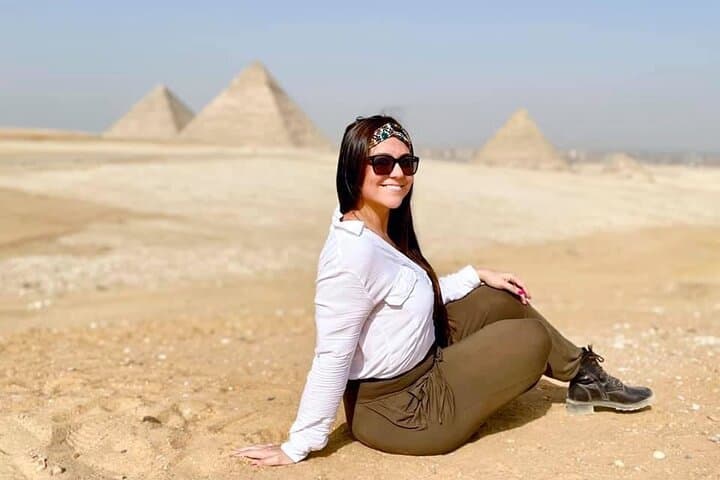
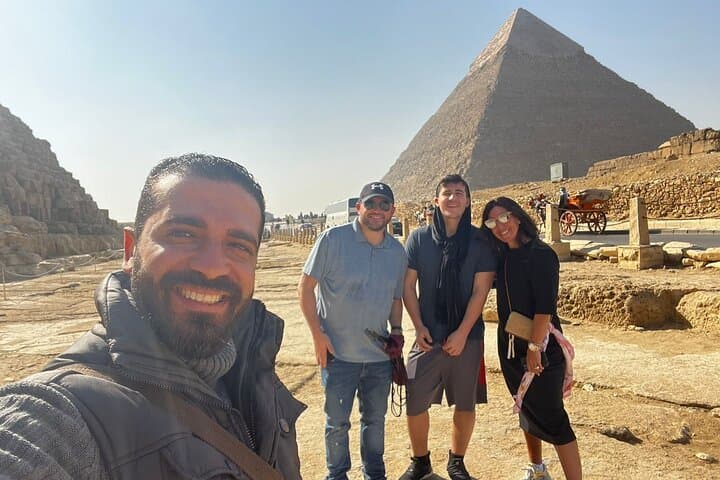
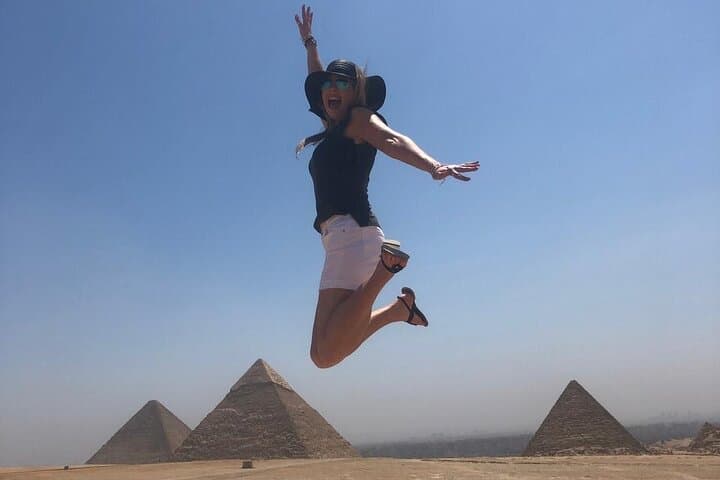
Morning light strips the Sahara to gold as a private car delivers visitors to the rim of the Giza Plateau. The Great Pyramid rises like a measured challenge; the Sphinx stares out across the sands, its face weathered but unreadable. A soft desert breeze dares you forward while your Egyptologist guide folds centuries of architecture and ritual into a single narrative.
Verified experiences and guided adventures in the surrounding area.
Operated by Forever Egypt Tours · Giza, Giza Governorate
Morning light strips the Sahara to gold as a private car delivers visitors to the rim of the Giza Plateau. The Great Pyramid rises like a measured challenge; the Sphinx stares out across the sands, its face weathered but unreadable. A soft desert breeze dares you forward while your Egyptologist guide folds centuries of architecture and ritual into a single narrative.
These plateaus sit on Miocene limestone and Pleistocene terraces; the Great Pyramid of Khufu dates to around 2580–2560 BCE and was originally faced with polished limestone that caught the sun. The necropolis at Giza reflects Old Kingdom engineering, funerary culture and the massive labor organization that supported pyramid building. Locals maintain a living connection to the site through guiding, dining and small-scale handicrafts at the edge of the complex.
Practically, the private half-day runs about 4–5 hours with hotel pickup in an AC vehicle, a guided walk among Khufu, Khafre and Menkaure, a stop at the panorama viewpoint and a short camel ride for photos. Expect uneven, sandy footing and strong sun; bring sturdy shoes, sun protection and ID for ticket checks. Entrance to the plateau and inside-pyramid access vary by ticket option, so confirm what’s included when booking. Plan mornings or late afternoons to avoid mid-day heat and the largest crowds. Respect the site: follow paths, avoid touching carved stones and tip guides who translate thousands of years into conversation.
easy.
4–5 hours.
Light walking ability; must be able to walk on uneven, sandy surfaces for up to a few miles total.
Some tour options include Giza Plateau admission; entry inside a pyramid typically requires a separate ticket—confirm inclusions when booking.
Camel rides are short and conducted at the panoramic area; they’re generally safe for able-bodied adults but not recommended for pregnant travelers or those with serious back issues.
Yes—private tours normally include pickup and drop-off in an air-conditioned vehicle from central Cairo and nearby Giza hotels; specify your pickup point when booking.
Late fall through early spring (October–April) offers milder temperatures; early mornings year-round are best to avoid heat and crowds.
The core pyramids at Giza were built in the Fourth Dynasty (c. 27th–26th century BCE) for pharaohs Khufu, Khafre and Menkaure and remain among Egypt’s oldest monumental structures.
Visitors should avoid touching carved surfaces and stay on marked paths; revenues from respectful tourism support local conservation and site maintenance.
Forever Egypt Tours operates guided outdoor trips and adventures with an emphasis on safety, stewardship, and memorable experiences.

Morning light strips the Sahara to gold as a private car delivers visitors to the rim of the Giza Plateau. The Great Pyramid rises like a measured challenge; the Sphinx stares out across the sands, its face weathered but unreadable. A soft desert breeze dares you forward while your Egyptologist guide folds centuries of architecture and ritual into a single narrative.
Morning light strips the Sahara to gold as a private car delivers visitors to the rim of the Giza Plateau. The Great Pyramid rises like a measured challenge; the Sphinx stares out across the sands, its face weathered but unreadable. A soft desert breeze dares you forward while your Egyptologist guide folds centuries of architecture and ritual into a single narrative.
These plateaus sit on Miocene limestone and Pleistocene terraces; the Great Pyramid of Khufu dates to around 2580–2560 BCE and was originally faced with polished limestone that caught the sun. The necropolis at Giza reflects Old Kingdom engineering, funerary culture and the massive labor organization that supported pyramid building. Locals maintain a living connection to the site through guiding, dining and small-scale handicrafts at the edge of the complex.
Practically, the private half-day runs about 4–5 hours with hotel pickup in an AC vehicle, a guided walk among Khufu, Khafre and Menkaure, a stop at the panorama viewpoint and a short camel ride for photos. Expect uneven, sandy footing and strong sun; bring sturdy shoes, sun protection and ID for ticket checks. Entrance to the plateau and inside-pyramid access vary by ticket option, so confirm what’s included when booking. Plan mornings or late afternoons to avoid mid-day heat and the largest crowds. Respect the site: follow paths, avoid touching carved stones and tip guides who translate thousands of years into conversation.