THE ADVENTURE COLLECTIVE® · Independent discovery and booking for outdoor travel

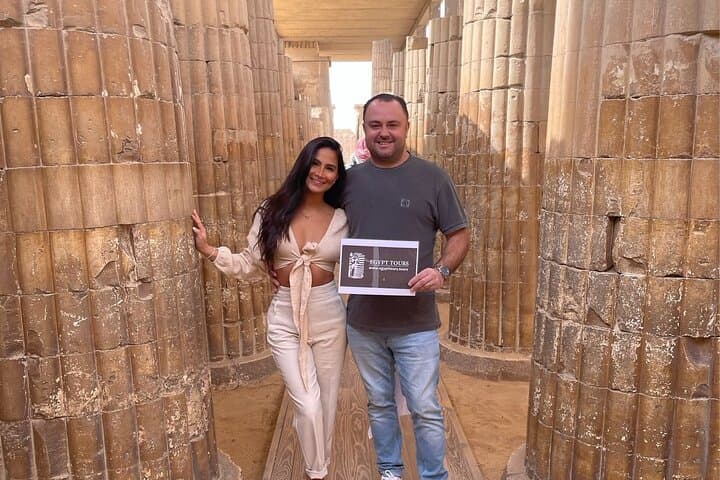
Spend a full day with an Egyptologist exploring the Giza Plateau and Saqqara: see the Great Pyramid, the Sphinx, ride a camel, and visit the Step Pyramid. This private 7–8 hour tour combines close-up archaeology with practical logistical support.
Spend a full day with an Egyptologist exploring the Giza Plateau and Saqqara: see the Great Pyramid, the Sphinx, ride a camel, and visit the Step Pyramid. This private 7–8 hour tour combines close-up archaeology with practical logistical support.
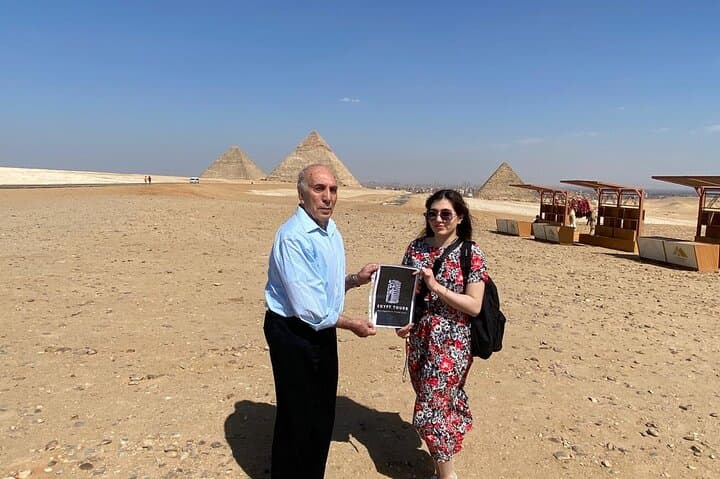
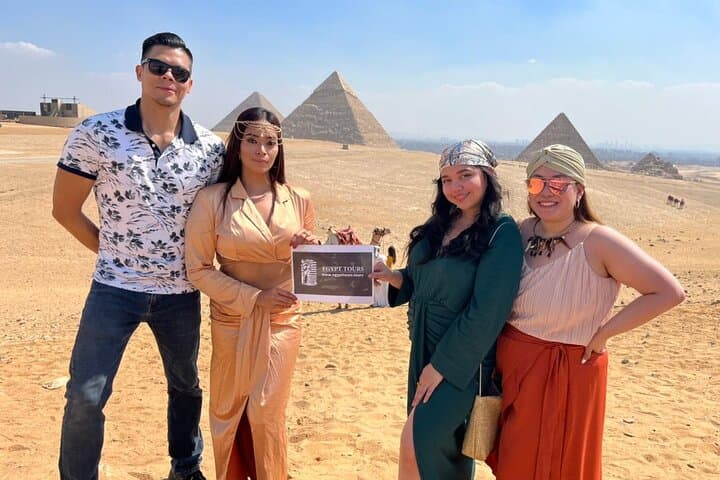
Sunlight breaks over the Giza Plateau and the stones throw long, resolute shadows as the tour group steps from an air-conditioned vehicle onto hot, ancient ground. The Great Pyramid looms like a city of stone, edges sharp against the sky, while the Sphinx keeps its silent watch nearby. A knowledgeable Egyptologist moves through the group, translating hieroglyphs into context and rooting the spectacle in human hands and labor.
Verified experiences and guided adventures in the surrounding area.
Operated by Egypt Tours Travel · Giza, Giza Governorate
Sunlight breaks over the Giza Plateau and the stones throw long, resolute shadows as the tour group steps from an air-conditioned vehicle onto hot, ancient ground. The Great Pyramid looms like a city of stone, edges sharp against the sky, while the Sphinx keeps its silent watch nearby. A knowledgeable Egyptologist moves through the group, translating hieroglyphs into context and rooting the spectacle in human hands and labor.
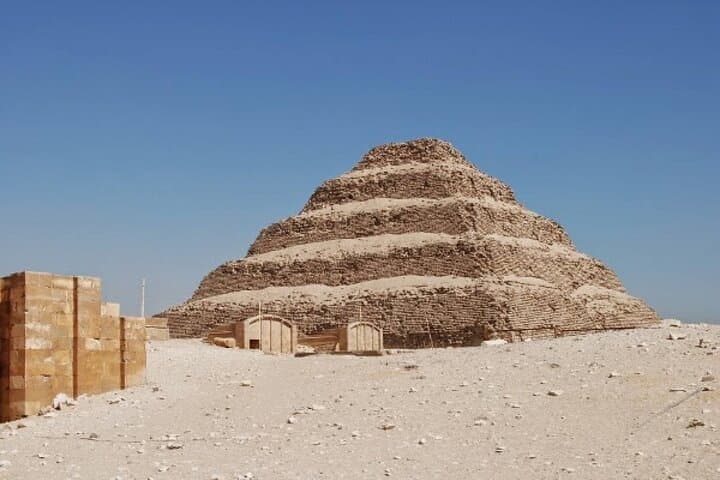
This route stitches together two eras of Egyptian funerary architecture: the Old Kingdom's Giza trio—Khufu, Khafre and Menkaure—and the earlier innovation at Saqqara where Djoser’s Step Pyramid marks a turning point in monumental stonework. Geologically the plateau is limestone bedrock capped by windblown sand; walking is mostly flat but uneven where ancient paving meets dunes. Expect to see bustling bazaars and modern Giza life pressed up against millennia-old monuments, a layered cultural landscape.
Practical guidance: the full private itinerary runs about 7–8 hours with included entrance fees, bottled water, lunch, and a 30‑minute camel ride. Wear sturdy closed shoes for sandy slopes and exposed limestone, bring a sun hat and at least 2 liters of water, and plan for an early start to avoid midday heat. Security screenings are standard and some interior tomb access may be restricted. Keep small bills for tips and souvenirs; photography is allowed but tripods and drones are regulated. This tour suits travelers seeking concentrated access to Egypt’s signature monuments with a guide to unpack the archaeology and local context.
easy.
7–8 hours.
Suitable for most fitness levels; involves several hours of standing and walking on uneven surfaces.
Entrance fees for the main sites listed in the itinerary are included; special interior access to some monuments may incur additional onsite fees or be restricted.
Camel rides are typically short (about 30 minutes) and supervised; riders should be steady on their feet and disclose mobility concerns to the guide in advance.
The tour is advertised as wheelchair accessible, but some areas have uneven ground and sand that can be challenging; notify the operator at booking to confirm arrangements.
Dress modestly—lightweight, breathable clothing that covers shoulders and knees is recommended; comfortable closed shoes are advised for walking.
Giza’s pyramids date to the Fourth Dynasty (c. 2600–2500 BCE); Saqqara predates them as a royal necropolis where the Step Pyramid of Djoser introduced monumental stone construction.
Visitor impact is managed through controlled access and fees that support site conservation; avoid climbing monuments and stick to marked paths to reduce erosion and wear.
Egypt Tours Travel operates guided outdoor trips and adventures with an emphasis on safety, stewardship, and memorable experiences.
Sunlight breaks over the Giza Plateau and the stones throw long, resolute shadows as the tour group steps from an air-conditioned vehicle onto hot, ancient ground. The Great Pyramid looms like a city of stone, edges sharp against the sky, while the Sphinx keeps its silent watch nearby. A knowledgeable Egyptologist moves through the group, translating hieroglyphs into context and rooting the spectacle in human hands and labor.
Sunlight breaks over the Giza Plateau and the stones throw long, resolute shadows as the tour group steps from an air-conditioned vehicle onto hot, ancient ground. The Great Pyramid looms like a city of stone, edges sharp against the sky, while the Sphinx keeps its silent watch nearby. A knowledgeable Egyptologist moves through the group, translating hieroglyphs into context and rooting the spectacle in human hands and labor.
This route stitches together two eras of Egyptian funerary architecture: the Old Kingdom's Giza trio—Khufu, Khafre and Menkaure—and the earlier innovation at Saqqara where Djoser’s Step Pyramid marks a turning point in monumental stonework. Geologically the plateau is limestone bedrock capped by windblown sand; walking is mostly flat but uneven where ancient paving meets dunes. Expect to see bustling bazaars and modern Giza life pressed up against millennia-old monuments, a layered cultural landscape.
Practical guidance: the full private itinerary runs about 7–8 hours with included entrance fees, bottled water, lunch, and a 30‑minute camel ride. Wear sturdy closed shoes for sandy slopes and exposed limestone, bring a sun hat and at least 2 liters of water, and plan for an early start to avoid midday heat. Security screenings are standard and some interior tomb access may be restricted. Keep small bills for tips and souvenirs; photography is allowed but tripods and drones are regulated. This tour suits travelers seeking concentrated access to Egypt’s signature monuments with a guide to unpack the archaeology and local context.