THE ADVENTURE COLLECTIVE® · Independent discovery and booking for outdoor travel

A private full‑day tour that pairs the Giza pyramids and Sphinx with Saqqara’s Step Pyramid and the ruins of Memphis — includes hotel transfers, lunch, a 30‑minute camel ride and an Egyptologist guide.
A private full‑day tour that pairs the Giza pyramids and Sphinx with Saqqara’s Step Pyramid and the ruins of Memphis — includes hotel transfers, lunch, a 30‑minute camel ride and an Egyptologist guide.
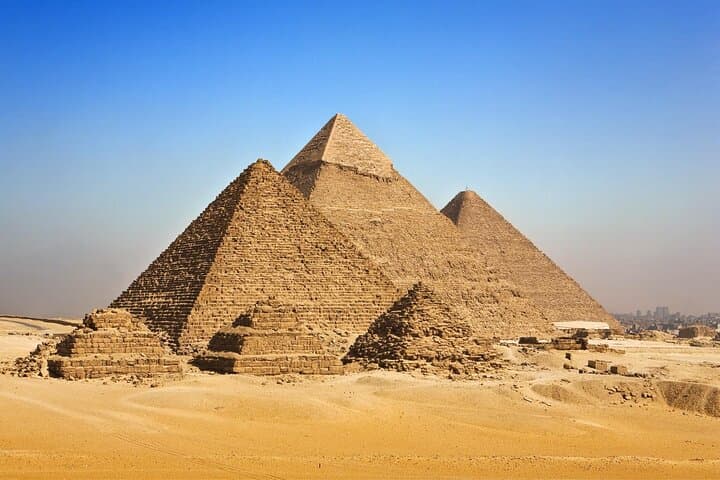
You step out of an air‑conditioned vehicle onto the limestone plateau at Giza and the desert wind rearranges the sand around your boots. Ahead, the Great Pyramid rises as a geometric silhouette against Cairo’s haze, while the Sphinx watches the approach of visitors with an immovable calm.
Verified experiences and guided adventures in the surrounding area.
Operated by Tripianto · Giza, Giza Governorate
You step out of an air‑conditioned vehicle onto the limestone plateau at Giza and the desert wind rearranges the sand around your boots. Ahead, the Great Pyramid rises as a geometric silhouette against Cairo’s haze, while the Sphinx watches the approach of visitors with an immovable calm.
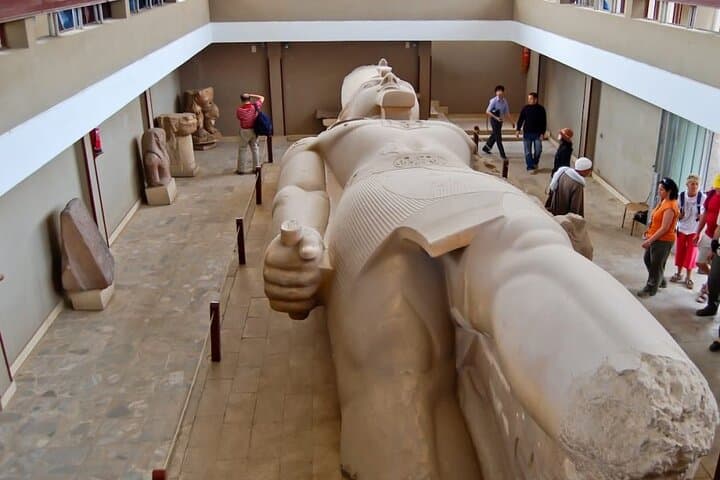
This full‑day private route threads four chapters of ancient Egypt: the Giza complex with its three major pyramids, the enigmatic Sphinx and valley temple; Saqqara’s Step Pyramid of Djoser — the world’s earliest monumental stone tomb; and Memphis, the first dynastic capital where colossal statues and fragments recall a city that governed the Nile valley. The geology here is primarily Eocene limestone and wind‑blown sand; the plateau’s flatness made it an ideal stage for monumental building.
Expect sandy, uneven walking between viewpoints (roughly 1–3 km of ground covered on a typical visit), open sun, and short climbs to terraces or viewing platforms. Cultural notes your Egyptologist guide will likely share include pyramid construction techniques, funerary practices, and the changing political role of Memphis.
Practically: bring sun protection, at least 2–3 liters of water, and comfortable shoes with traction; cameras are welcome but always ask before photographing locals or handlers. The tour includes hotel pickup, admissions, bottled water, a 30‑minute camel ride and lunch, so logistics are straightforward. Aim for an early start to avoid mid‑day heat, keep to marked paths to protect fragile archaeology, and budget modest cash for tips and optional extras. The day balances spectacle and context — an accessible, intense immersion in Egypt’s ancient heart.
easy.
9 hours.
Suitable for most fitness levels; requires the ability to walk short distances on sand and step over uneven surfaces.
Yes — this tour includes admission to the Giza Plateau sites, the Great Sphinx area, Saqqara and the Mit Rahina Museum as listed by the operator.
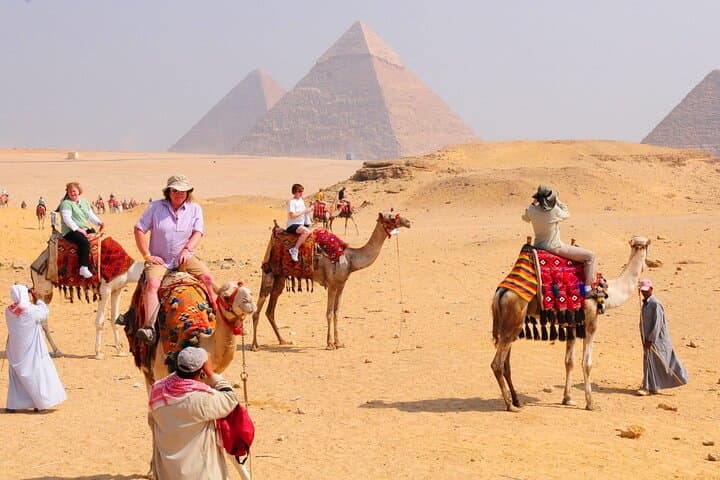
A 30‑minute camel ride around the pyramids is included; handlers provide basic safety guidance — wear secure footwear and follow handler instructions.
The operator lists wheelchair accessible transport and some surfaces, but many archaeological areas have uneven ground and steps; check specific access needs with the provider in advance.
Lightweight clothing that covers shoulders and knees is recommended, especially at religious or museum sites; comfortable, modest attire respects local customs.
Saqqara’s Step Pyramid (c. 27th century BCE) marks the transition from mudbrick tombs to monumental stone construction; Memphis served as Egypt’s political center for millennia.
Erosion and visitor wear are ongoing concerns; stay on marked routes, avoid touching reliefs and support sites by following guide instructions and using official facilities.
Tripianto operates guided outdoor trips and adventures with an emphasis on safety, stewardship, and memorable experiences.

You step out of an air‑conditioned vehicle onto the limestone plateau at Giza and the desert wind rearranges the sand around your boots. Ahead, the Great Pyramid rises as a geometric silhouette against Cairo’s haze, while the Sphinx watches the approach of visitors with an immovable calm.
You step out of an air‑conditioned vehicle onto the limestone plateau at Giza and the desert wind rearranges the sand around your boots. Ahead, the Great Pyramid rises as a geometric silhouette against Cairo’s haze, while the Sphinx watches the approach of visitors with an immovable calm.
This full‑day private route threads four chapters of ancient Egypt: the Giza complex with its three major pyramids, the enigmatic Sphinx and valley temple; Saqqara’s Step Pyramid of Djoser — the world’s earliest monumental stone tomb; and Memphis, the first dynastic capital where colossal statues and fragments recall a city that governed the Nile valley. The geology here is primarily Eocene limestone and wind‑blown sand; the plateau’s flatness made it an ideal stage for monumental building.
Expect sandy, uneven walking between viewpoints (roughly 1–3 km of ground covered on a typical visit), open sun, and short climbs to terraces or viewing platforms. Cultural notes your Egyptologist guide will likely share include pyramid construction techniques, funerary practices, and the changing political role of Memphis.
Practically: bring sun protection, at least 2–3 liters of water, and comfortable shoes with traction; cameras are welcome but always ask before photographing locals or handlers. The tour includes hotel pickup, admissions, bottled water, a 30‑minute camel ride and lunch, so logistics are straightforward. Aim for an early start to avoid mid‑day heat, keep to marked paths to protect fragile archaeology, and budget modest cash for tips and optional extras. The day balances spectacle and context — an accessible, intense immersion in Egypt’s ancient heart.