THE ADVENTURE COLLECTIVE® · Independent discovery and booking for outdoor travel

Spend a day with a private Egyptologist exploring the Giza Plateau and the Grand Egyptian Museum. Early starts, stable shoes, and hydration pay off when you trade crowds for close views of the pyramids and royal artifacts.
Spend a day with a private Egyptologist exploring the Giza Plateau and the Grand Egyptian Museum. Early starts, stable shoes, and hydration pay off when you trade crowds for close views of the pyramids and royal artifacts.
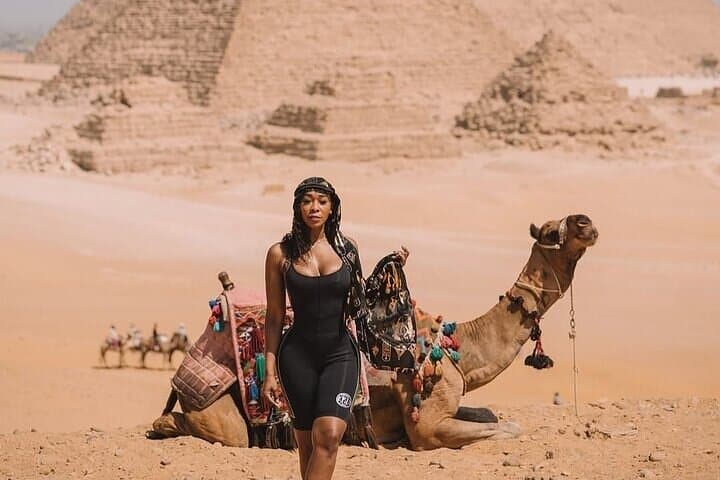
You arrive at dawn to a wind that pushes the Sahara’s fine dust across a sea of limestone blocks. The plateau opens before you: the Great Pyramid’s blunt silhouette, Khafre’s angled shadow, and the Sphinx staring into the desert like an old guardian. Your private Egyptologist leads the way, turning stones and measurements into human stories as the morning light sharpens the site’s angles.
Verified experiences and guided adventures in the surrounding area.
Operated by Go To Egypt · Giza, Cairo Governorate
You arrive at dawn to a wind that pushes the Sahara’s fine dust across a sea of limestone blocks. The plateau opens before you: the Great Pyramid’s blunt silhouette, Khafre’s angled shadow, and the Sphinx staring into the desert like an old guardian. Your private Egyptologist leads the way, turning stones and measurements into human stories as the morning light sharpens the site’s angles.
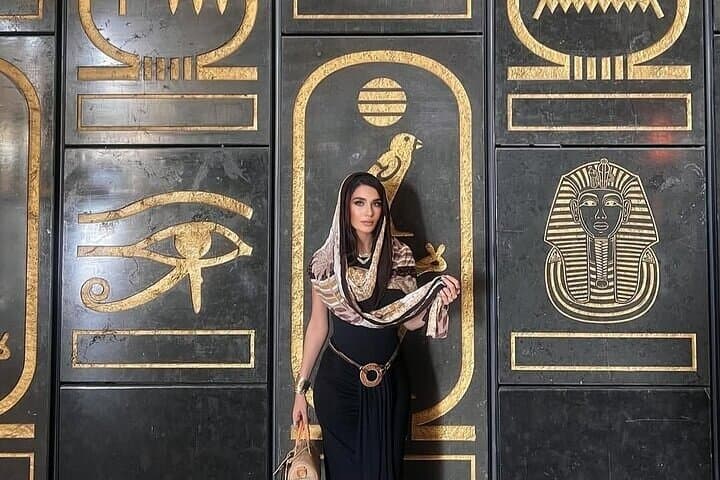
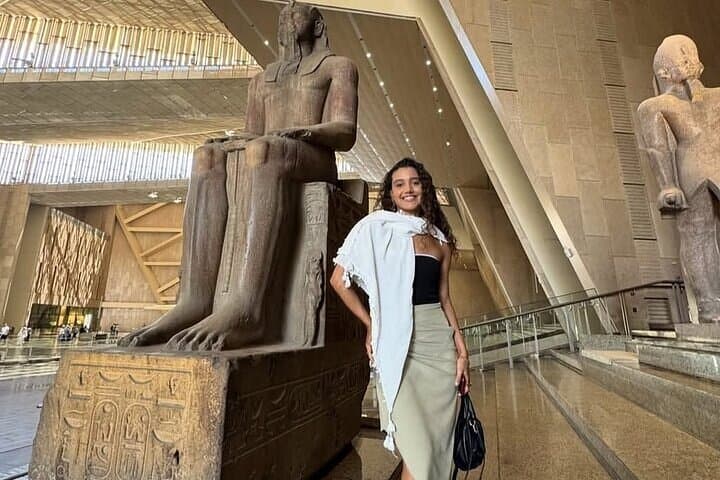
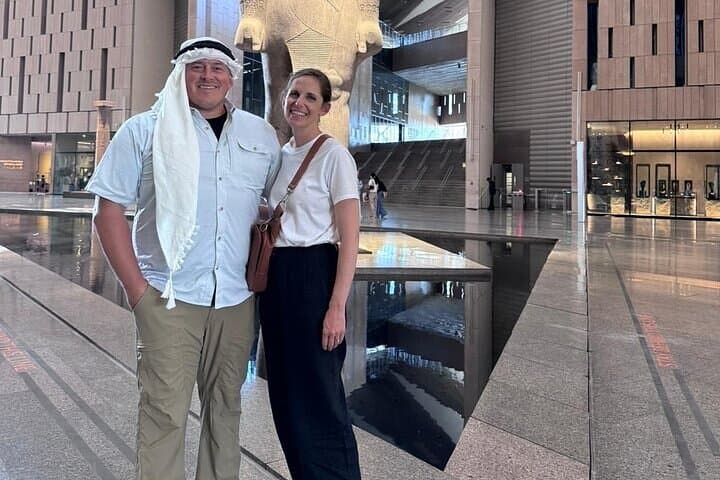
This day tour stitches together two chapters of Egypt’s past — the 4,500-year-old royal tombs of Giza and the modern Grand Egyptian Museum, built to house artifacts, including the treasures of Tutankhamun. Geologically, the plateau is a raised layer of Tura limestone over Miocene sediments; the quarries nearby supplied smooth casing stones once fitted to the pyramids. Culturally, the complex has long been a crossroads — Bedouin camel handlers and Cairo’s urban bustle meet ancient funerary architecture.
Expect moderate walking across uneven, sandy surfaces and short climbs to panoramic viewpoints (distance covered typically 3–5 km at a relaxed pace). The museum’s climate-controlled galleries provide contrast: long artifact lines replaced by quiet, curated rooms. Practical tips: plan early to avoid midday heat, carry local currency for entry fees and optional camel rides, and wear sturdy shoes — the plateau can be abrasive.
The private format adds flexibility for photo stops, brief detours, and a paced museum visit. Respect site rules: no climbing, stay behind barriers, and follow your guide’s directions to help protect these monuments for future visitors.
moderate.
8–9 hours.
Moderate fitness: you’ll stand and walk on uneven ground for several hours but there are no technical demands.
Entry fees vary by booking option; this tour lists site entry as dependent on the option you choose—confirm at booking and carry local currency for admissions if not included.
Yes, short camel rides are typically available near panoramic viewpoints; they are optional and paid locally—negotiate price beforehand and factor time into your schedule.
Families are welcome, but infants must sit on laps during transport and the tour involves long outdoor periods; strollers are impractical on the plateau’s terrain.
The museum offers accessibility features, but the Giza Plateau has uneven surfaces and limited wheelchair access; discuss mobility needs with the tour operator in advance.
The pyramids at Giza were built during Egypt’s Fourth Dynasty (c. 2600–2500 BCE) as monumental tombs for pharaohs and reflect advanced engineering for their era.
The Grand Egyptian Museum centralizes artifacts for conservation, and site managers enforce restrictions on climbing and touching to reduce wear on ancient stone.
Go To Egypt operates guided outdoor trips and adventures with an emphasis on safety, stewardship, and memorable experiences.
You arrive at dawn to a wind that pushes the Sahara’s fine dust across a sea of limestone blocks. The plateau opens before you: the Great Pyramid’s blunt silhouette, Khafre’s angled shadow, and the Sphinx staring into the desert like an old guardian. Your private Egyptologist leads the way, turning stones and measurements into human stories as the morning light sharpens the site’s angles.
You arrive at dawn to a wind that pushes the Sahara’s fine dust across a sea of limestone blocks. The plateau opens before you: the Great Pyramid’s blunt silhouette, Khafre’s angled shadow, and the Sphinx staring into the desert like an old guardian. Your private Egyptologist leads the way, turning stones and measurements into human stories as the morning light sharpens the site’s angles.
This day tour stitches together two chapters of Egypt’s past — the 4,500-year-old royal tombs of Giza and the modern Grand Egyptian Museum, built to house artifacts, including the treasures of Tutankhamun. Geologically, the plateau is a raised layer of Tura limestone over Miocene sediments; the quarries nearby supplied smooth casing stones once fitted to the pyramids. Culturally, the complex has long been a crossroads — Bedouin camel handlers and Cairo’s urban bustle meet ancient funerary architecture.
Expect moderate walking across uneven, sandy surfaces and short climbs to panoramic viewpoints (distance covered typically 3–5 km at a relaxed pace). The museum’s climate-controlled galleries provide contrast: long artifact lines replaced by quiet, curated rooms. Practical tips: plan early to avoid midday heat, carry local currency for entry fees and optional camel rides, and wear sturdy shoes — the plateau can be abrasive.
The private format adds flexibility for photo stops, brief detours, and a paced museum visit. Respect site rules: no climbing, stay behind barriers, and follow your guide’s directions to help protect these monuments for future visitors.