THE ADVENTURE COLLECTIVE® · Independent discovery and booking for outdoor travel

Experience Giza’s Big Three in one day with a private Egyptologist guide, hotel transfers, and lunch. This full‑day Cairo excursion combines panoramic plateau views, the Sphinx, and a curated visit to the Egyptian Museum.
Experience Giza’s Big Three in one day with a private Egyptologist guide, hotel transfers, and lunch. This full‑day Cairo excursion combines panoramic plateau views, the Sphinx, and a curated visit to the Egyptian Museum.
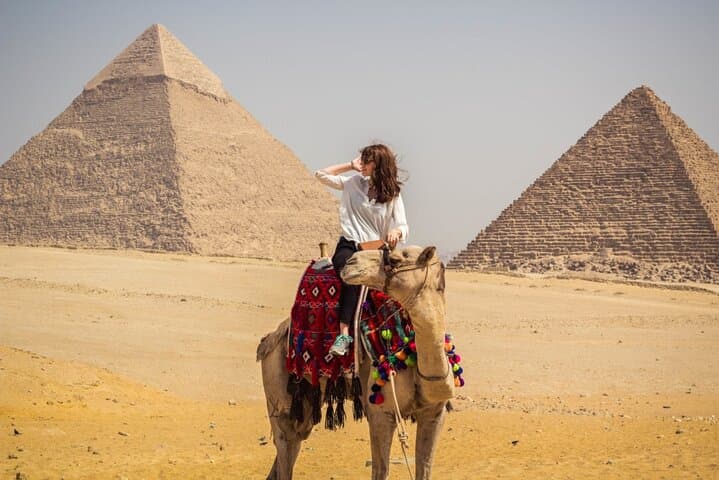
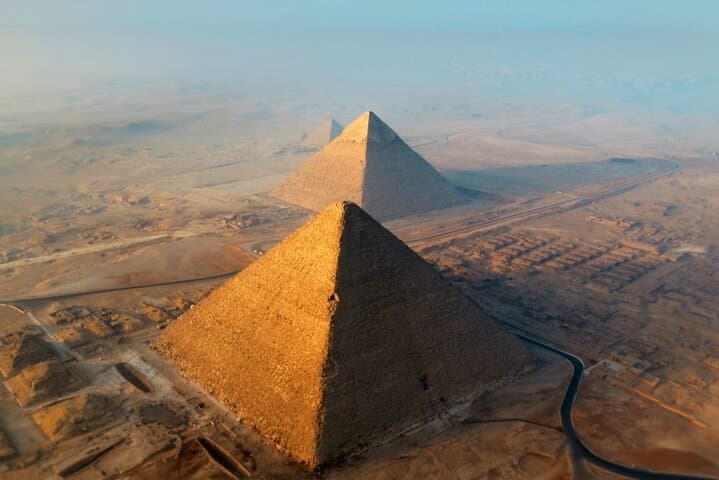
You step off the air‑conditioned vehicle into a ribbon of desert wind that seems to push you toward the pyramids. The Giza Plateau unfolds in hard light: three monumental silhouettes, the crouched Sphinx watching traffic and time, and the city of Cairo boiling at the horizon. The air smells of dust, diesel, and cardamom from a nearby café; camels lower their heads as the guide outlines the plan.
Verified experiences and guided adventures in the surrounding area.
Operated by Egypt VIP Tours · Giza, Giza Governorate
You step off the air‑conditioned vehicle into a ribbon of desert wind that seems to push you toward the pyramids. The Giza Plateau unfolds in hard light: three monumental silhouettes, the crouched Sphinx watching traffic and time, and the city of Cairo boiling at the horizon. The air smells of dust, diesel, and cardamom from a nearby café; camels lower their heads as the guide outlines the plan.
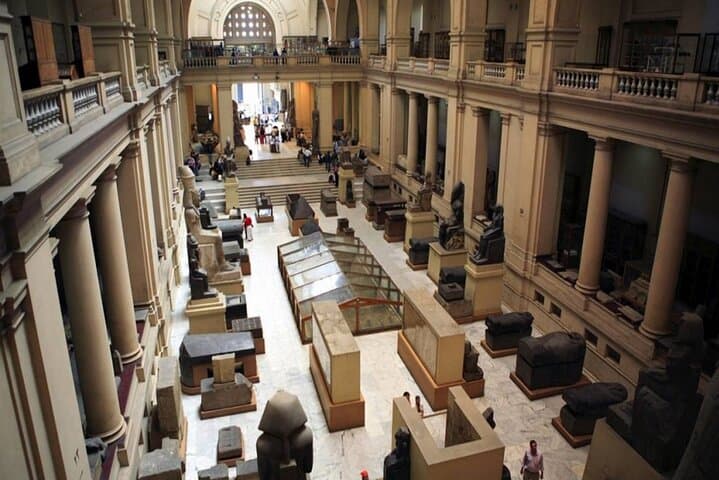
The Great Pyramid of Khufu — the last surviving Wonder of the Ancient World — is a geological and engineering landmark built from massive limestone blocks quarried nearby and laid on bedrock more than 4,500 years ago. The Sphinx and the Valley Temple speak to funerary rites and the ritual of mummification; the Egyptian Museum in Tahrir houses Tutankhamun’s funerary treasure and thousands of objects that chart pharaonic life and death.
Local life threads through the sites: vendors hawk papyrus prints, camel handlers offer short rides, and modern Cairo crowds the edges. Hidden nearby is the Solar Boat Museum and quieter viewpoints along the plateau where light flattens the stones into gold.
Practical guidance: this full‑day private tour runs about seven hours with hotel pickup and an included lunch. Wear sturdy walking shoes, a wide‑brim hat, and bring sunscreen and a refillable water bottle — shade is limited and surfaces are uneven. Photographs are allowed but museum rooms can restrict flash; carry ID (passport) for museum entry and expect security checks. Climbing the pyramids is prohibited; follow your Egyptologist guide’s instructions to protect both you and the monuments. Aim for an early pickup to avoid the worst heat and to get crisp morning light on the plateau.
easy.
7 hours.
Suitable for most fitness levels; expect moderate walking on uneven, sandy ground
The private tour runs approximately 7 hours including hotel pickup, time at the Giza Plateau, the Sphinx, and the Egyptian Museum, plus lunch and transfers.
This listing notes admissions as not included; check with the operator—museum entry typically requires a ticket and may require ID.
Short camel rides are offered by independent handlers for a fee, but climbing the pyramids is illegal and enforced—do not attempt to climb.
The museum has limited accessibility and some areas involve steps; contact the operator ahead of time to arrange accommodations and assistance.
The Giza monuments were constructed during Egypt’s Old Kingdom (c. 2600–2500 BCE); the Egyptian Museum catalogs artifacts spanning over 5,000 years of Egyptian civilization.
High visitor numbers stress fragile stone and archaeological contexts; follow site rules, avoid touching carvings, and choose licensed guides to support conservation and local stewardship.
Egypt VIP Tours operates guided outdoor trips and adventures with an emphasis on safety, stewardship, and memorable experiences.

You step off the air‑conditioned vehicle into a ribbon of desert wind that seems to push you toward the pyramids. The Giza Plateau unfolds in hard light: three monumental silhouettes, the crouched Sphinx watching traffic and time, and the city of Cairo boiling at the horizon. The air smells of dust, diesel, and cardamom from a nearby café; camels lower their heads as the guide outlines the plan.
You step off the air‑conditioned vehicle into a ribbon of desert wind that seems to push you toward the pyramids. The Giza Plateau unfolds in hard light: three monumental silhouettes, the crouched Sphinx watching traffic and time, and the city of Cairo boiling at the horizon. The air smells of dust, diesel, and cardamom from a nearby café; camels lower their heads as the guide outlines the plan.
The Great Pyramid of Khufu — the last surviving Wonder of the Ancient World — is a geological and engineering landmark built from massive limestone blocks quarried nearby and laid on bedrock more than 4,500 years ago. The Sphinx and the Valley Temple speak to funerary rites and the ritual of mummification; the Egyptian Museum in Tahrir houses Tutankhamun’s funerary treasure and thousands of objects that chart pharaonic life and death.
Local life threads through the sites: vendors hawk papyrus prints, camel handlers offer short rides, and modern Cairo crowds the edges. Hidden nearby is the Solar Boat Museum and quieter viewpoints along the plateau where light flattens the stones into gold.
Practical guidance: this full‑day private tour runs about seven hours with hotel pickup and an included lunch. Wear sturdy walking shoes, a wide‑brim hat, and bring sunscreen and a refillable water bottle — shade is limited and surfaces are uneven. Photographs are allowed but museum rooms can restrict flash; carry ID (passport) for museum entry and expect security checks. Climbing the pyramids is prohibited; follow your Egyptologist guide’s instructions to protect both you and the monuments. Aim for an early pickup to avoid the worst heat and to get crisp morning light on the plateau.