THE ADVENTURE COLLECTIVE® · Independent discovery and booking for outdoor travel

See Egypt’s iconic trio—the Great Pyramids, Sphinx and Egyptian Museum—in a single private day. A knowledgeable Egyptologist guides you between sites with hotel transfers and a short camel ride to round out the Giza experience.
See Egypt’s iconic trio—the Great Pyramids, Sphinx and Egyptian Museum—in a single private day. A knowledgeable Egyptologist guides you between sites with hotel transfers and a short camel ride to round out the Giza experience.
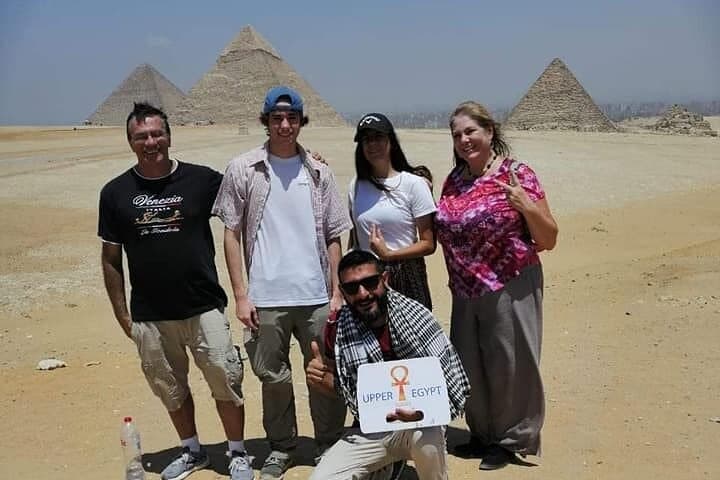
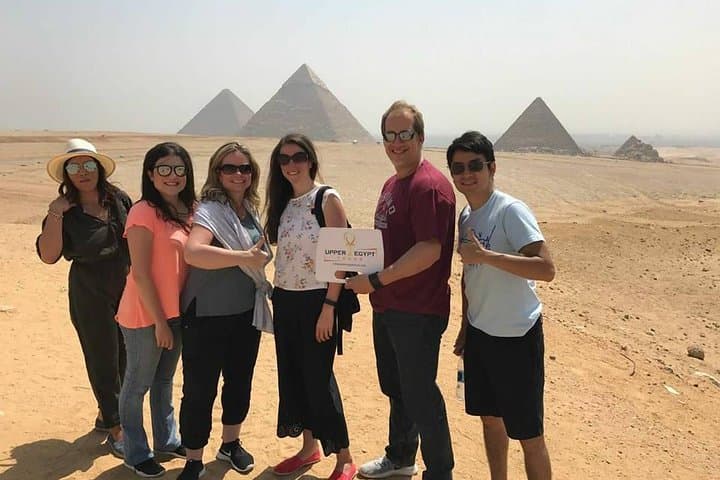
You step out of the hotel lobby into Cairo’s heat and the city immediately loosens its grip: the desert opens ahead, wide and unapologetic, daring you to focus. The Giza Plateau rises from that dust—stone giants that have watched the Nile valley change for millennia. Your private Egyptologist guides the pace, pointing out construction details on the Great Pyramid while the Sphinx stares onward, inscrutable and windworn.
Verified experiences and guided adventures in the surrounding area.
Operated by Upper Egypt Services · Giza, Giza Governorate
You step out of the hotel lobby into Cairo’s heat and the city immediately loosens its grip: the desert opens ahead, wide and unapologetic, daring you to focus. The Giza Plateau rises from that dust—stone giants that have watched the Nile valley change for millennia. Your private Egyptologist guides the pace, pointing out construction details on the Great Pyramid while the Sphinx stares onward, inscrutable and windworn.
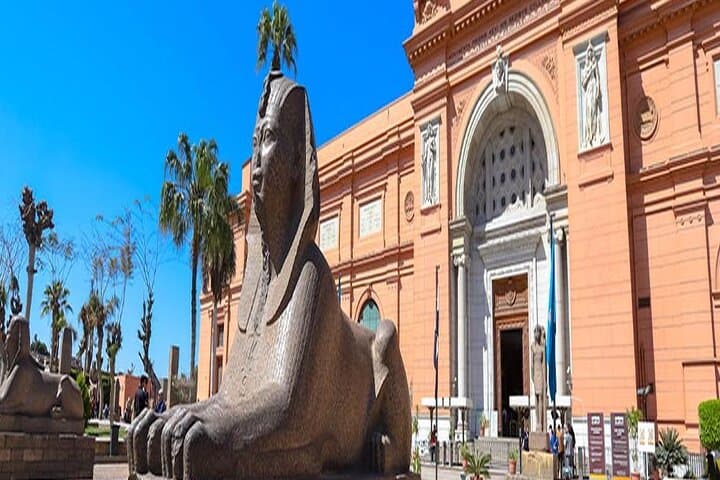
This day stitches modern Cairo to ancient pharaonic power. The pyramids are limestone and bedrock—engineered funerary monuments from Egypt’s Old Kingdom—set above a floodplain that once fed the civilization below. The Egyptian Museum in downtown Cairo gathers 5,000 years of material culture: funerary masks, statuary, and the Tutankhamen collection that rewrote archaeological expectations in the 1920s.
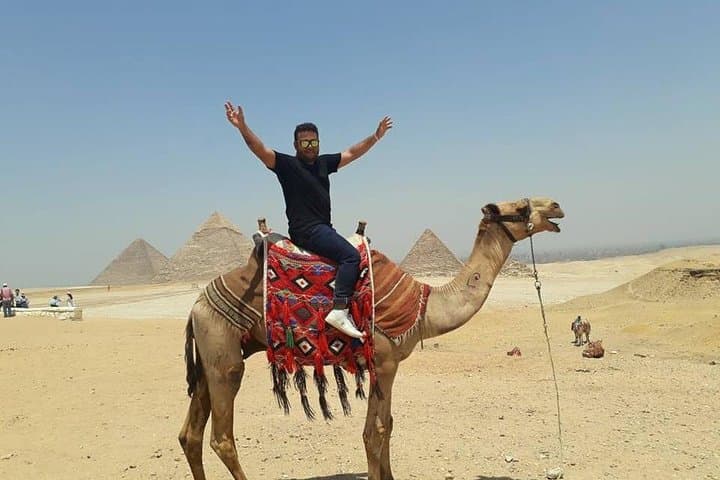
Culturally, the tour is as much about negotiated space as it is about artifacts: vendors, camel handlers, and local guides shape the visitor experience, and bargaining is expected. The camel ride on the plateau gives a different cadence—walking slowly, the desert seems to measure time in gear and shadow.
Practicalities: expect seven hours of light walking, photo stops, and short transfers in an air-conditioned vehicle. Bring sun protection, a refillable water bottle, comfortable shoes with grip for uneven stone, and a small amount of local currency for tips and souvenirs. The museum enforces modest dress and may require brief queues for popular displays; a private tour minimizes waiting time but plan for midday heat. Early morning departures reduce temperature stress and offer crisper light for photography. This itinerary compresses three major sites into one efficient day while leaving room to absorb the scale and history of Egypt’s most famous landmarks.
easy.
7 hours.
Suitable for most fitness levels; involves moderate walking on uneven surfaces and short camel ride
Confirm with your operator—this private itinerary often includes entrance fees, but verify at booking.
Short, led camel rides are common and generally safe; inform the operator about mobility concerns so they can arrange appropriate mounts or alternatives.
Most hotels offer secure luggage storage; the museum has cloakrooms for small items but check size restrictions.
Photography is generally allowed in many galleries but flash and tripods may be restricted; some high-profile displays have additional rules.
The Giza complex dates to Egypt’s Fourth Dynasty (c. 2600–2500 BCE); the museum’s Tutankhamen collection transformed 20th-century archaeology after the tomb’s 1922 discovery.
High visitor numbers and local development pressure the plateau; support licensed guides and avoid climbing monuments to help preservation efforts.
Upper Egypt Services operates guided outdoor trips and adventures with an emphasis on safety, stewardship, and memorable experiences.
You step out of the hotel lobby into Cairo’s heat and the city immediately loosens its grip: the desert opens ahead, wide and unapologetic, daring you to focus. The Giza Plateau rises from that dust—stone giants that have watched the Nile valley change for millennia. Your private Egyptologist guides the pace, pointing out construction details on the Great Pyramid while the Sphinx stares onward, inscrutable and windworn.
You step out of the hotel lobby into Cairo’s heat and the city immediately loosens its grip: the desert opens ahead, wide and unapologetic, daring you to focus. The Giza Plateau rises from that dust—stone giants that have watched the Nile valley change for millennia. Your private Egyptologist guides the pace, pointing out construction details on the Great Pyramid while the Sphinx stares onward, inscrutable and windworn.
This day stitches modern Cairo to ancient pharaonic power. The pyramids are limestone and bedrock—engineered funerary monuments from Egypt’s Old Kingdom—set above a floodplain that once fed the civilization below. The Egyptian Museum in downtown Cairo gathers 5,000 years of material culture: funerary masks, statuary, and the Tutankhamen collection that rewrote archaeological expectations in the 1920s.
Culturally, the tour is as much about negotiated space as it is about artifacts: vendors, camel handlers, and local guides shape the visitor experience, and bargaining is expected. The camel ride on the plateau gives a different cadence—walking slowly, the desert seems to measure time in gear and shadow.
Practicalities: expect seven hours of light walking, photo stops, and short transfers in an air-conditioned vehicle. Bring sun protection, a refillable water bottle, comfortable shoes with grip for uneven stone, and a small amount of local currency for tips and souvenirs. The museum enforces modest dress and may require brief queues for popular displays; a private tour minimizes waiting time but plan for midday heat. Early morning departures reduce temperature stress and offer crisper light for photography. This itinerary compresses three major sites into one efficient day while leaving room to absorb the scale and history of Egypt’s most famous landmarks.