THE ADVENTURE COLLECTIVE® · Independent discovery and booking for outdoor travel

A full-day private tour that pairs the monumental scale of the Giza Pyramids and Sphinx with the curated treasures of the Egyptian Museum and the bustling lanes of Khan al-Khalili. Ideal for travelers who want historical context without the hassle of logistics.
A full-day private tour that pairs the monumental scale of the Giza Pyramids and Sphinx with the curated treasures of the Egyptian Museum and the bustling lanes of Khan al-Khalili. Ideal for travelers who want historical context without the hassle of logistics.
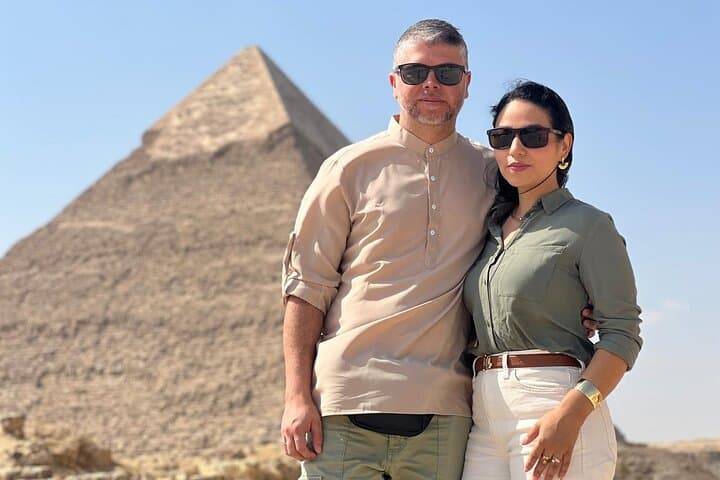
You step from the shaded van into a wind-swept courtyard and the desert opens like a page of history — the three pyramids rise, blocky and enormous, their edges catching a clean light that strips the city away. The guide lowers their voice and the scale clicks into place: builders, quarry ramps, centuries of sand and study.
Verified experiences and guided adventures in the surrounding area.
Operated by Blue Nile Tours · Giza, Giza Governorate
You step from the shaded van into a wind-swept courtyard and the desert opens like a page of history — the three pyramids rise, blocky and enormous, their edges catching a clean light that strips the city away. The guide lowers their voice and the scale clicks into place: builders, quarry ramps, centuries of sand and study.
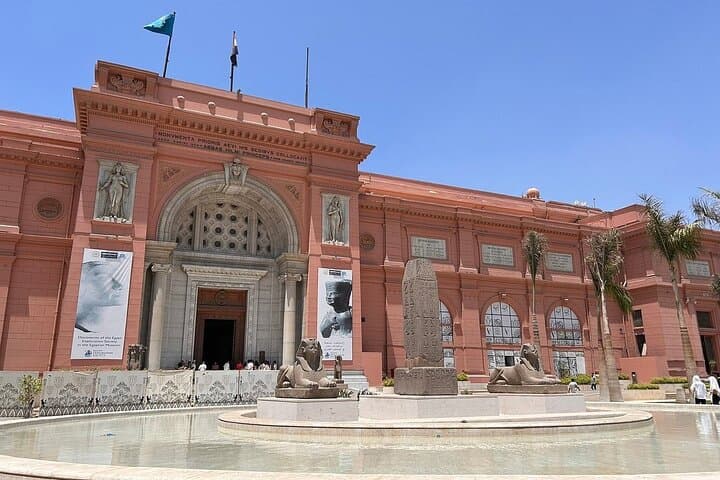
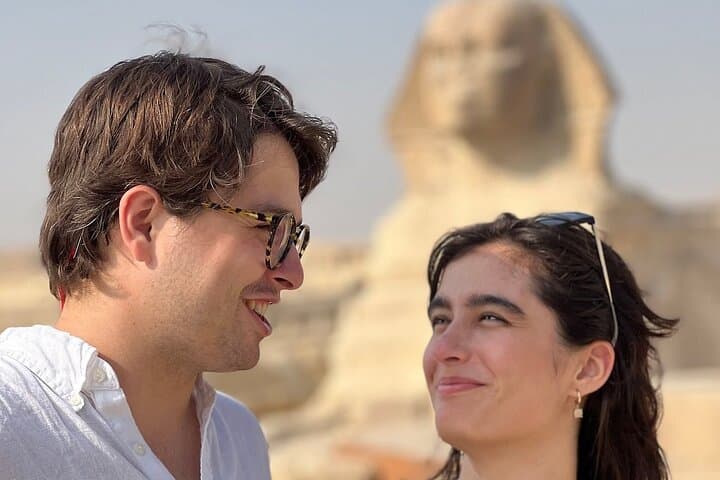
The Giza plateau is geology and human will — limestone caprock, ancient bedrock terraces and a desert that both preserved and eroded monuments for millennia. Nearby the Great Sphinx sits with a weathered face, a limestone body that has watched the Nile flood cycles and empire changes. Later, the Egyptian Museum in Tahrir holds fragile treasures from burial chambers: goldwork, wooden models and mummies that connect the tombs to daily life. Your final walk through Khan al-Khalili reintroduces the present — merchants, spices, and craft traditions rooted in medieval Cairo.
Practical guidance: this private eight-hour tour covers on-foot viewing areas, museum halls and bustling market alleys. Expect uneven stone pathways at Giza and interior chambers with low ceilings if you opt to enter a pyramid. Carry water, sun protection and comfortable shoes; the guide handles logistics and skip-the-line access when included. Plan for traffic in and out of central Cairo and leave room in your schedule for tipping, photography and bargaining in the bazaar.
This trip is a concentrated day of archaeology, urban culture and applied logistics — ideal for travelers who want depth, shade breaks and a knowledgeable guide to read layers of time into the landscape.
easy.
8 hours.
Suitable for most fitness levels; requires standing and moderate walking with occasional stairs and uneven surfaces.
Options vary by booking: viewing the pyramids and Sphinx is typically included; entering the Great Pyramid or other interior chambers is often an extra fee—confirm when booking.
Most private options include hotel pickup and drop-off; confirm your pickup point and any airport transfer details in advance.
The museum has limited accessibility in some older areas; contact your operator for assistance and consider arranging transport to minimized walking routes.
Typical itineraries allot around 60–90 minutes for Khan al-Khalili, enough to browse, shop small items and enjoy a quick tea.
The Giza pyramids were built in the fourth dynasty (c. 2600–2500 BCE) as monumental royal tombs; the Egyptian Museum collects artifacts spanning prehistoric to Greco-Roman Egypt.
High visitor numbers and urban pollution strain the limestone monuments; follow site rules, avoid touching fragile surfaces and support licensed guides whose fees contribute to regulated access.
Blue Nile Tours operates guided outdoor trips and adventures with an emphasis on safety, stewardship, and memorable experiences.

You step from the shaded van into a wind-swept courtyard and the desert opens like a page of history — the three pyramids rise, blocky and enormous, their edges catching a clean light that strips the city away. The guide lowers their voice and the scale clicks into place: builders, quarry ramps, centuries of sand and study.
You step from the shaded van into a wind-swept courtyard and the desert opens like a page of history — the three pyramids rise, blocky and enormous, their edges catching a clean light that strips the city away. The guide lowers their voice and the scale clicks into place: builders, quarry ramps, centuries of sand and study.
The Giza plateau is geology and human will — limestone caprock, ancient bedrock terraces and a desert that both preserved and eroded monuments for millennia. Nearby the Great Sphinx sits with a weathered face, a limestone body that has watched the Nile flood cycles and empire changes. Later, the Egyptian Museum in Tahrir holds fragile treasures from burial chambers: goldwork, wooden models and mummies that connect the tombs to daily life. Your final walk through Khan al-Khalili reintroduces the present — merchants, spices, and craft traditions rooted in medieval Cairo.
Practical guidance: this private eight-hour tour covers on-foot viewing areas, museum halls and bustling market alleys. Expect uneven stone pathways at Giza and interior chambers with low ceilings if you opt to enter a pyramid. Carry water, sun protection and comfortable shoes; the guide handles logistics and skip-the-line access when included. Plan for traffic in and out of central Cairo and leave room in your schedule for tipping, photography and bargaining in the bazaar.
This trip is a concentrated day of archaeology, urban culture and applied logistics — ideal for travelers who want depth, shade breaks and a knowledgeable guide to read layers of time into the landscape.