THE ADVENTURE COLLECTIVE® · Independent discovery and booking for outdoor travel

Spend an eight-hour private day exploring the Giza Plateau’s pyramids, a short camel ride, the great Sphinx and the Egyptian Museum, then haggle through Khan el-Khalili’s markets. This guide covers what to expect and how to prepare.
Spend an eight-hour private day exploring the Giza Plateau’s pyramids, a short camel ride, the great Sphinx and the Egyptian Museum, then haggle through Khan el-Khalili’s markets. This guide covers what to expect and how to prepare.
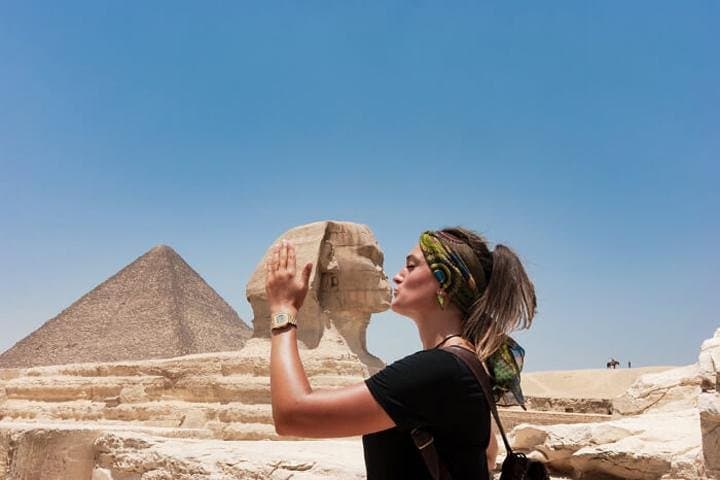
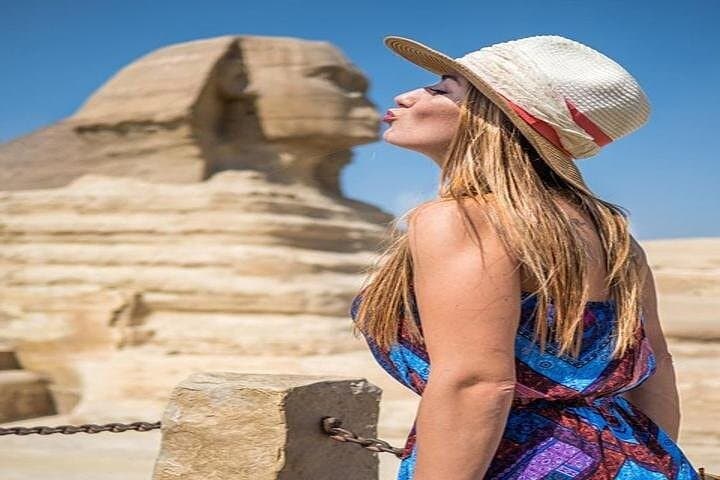
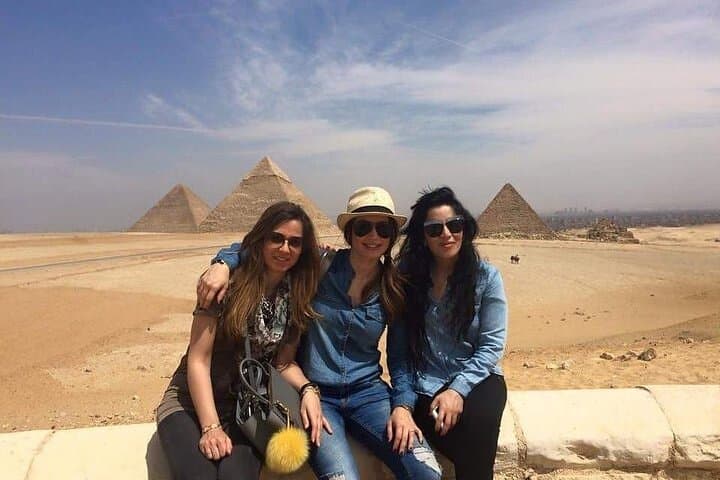
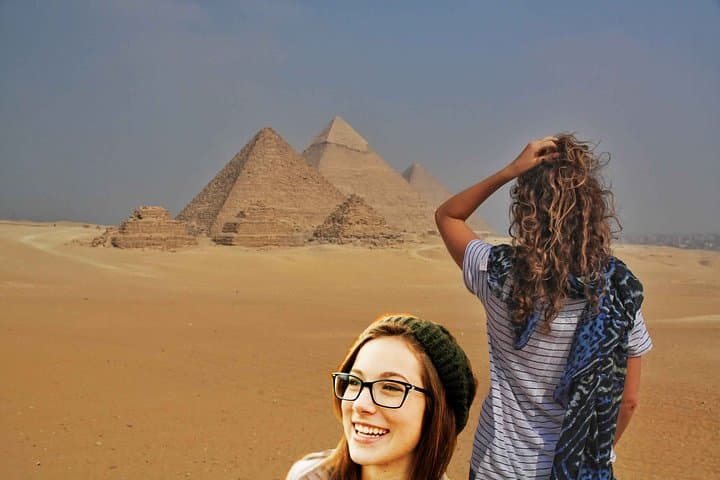
The morning light hits the limestone faces and the desert wind urges you forward as your private car climbs onto the Giza Plateau. Towering blocks of stone cast long shadows; a camel shifts beneath its rider and the Sphinx turns—an immovable guardian—toward the east.
Verified experiences and guided adventures in the surrounding area.
Operated by Let`s Explore Egypt · Giza, Giza Governorate
The morning light hits the limestone faces and the desert wind urges you forward as your private car climbs onto the Giza Plateau. Towering blocks of stone cast long shadows; a camel shifts beneath its rider and the Sphinx turns—an immovable guardian—toward the east.
The plateau is both a funerary landscape and a geological one: quarried limestone benches support three royal pyramids built in the Fourth Dynasty (c. 2600–2500 BCE). Centuries of human activity surround the monuments—workers’ villages, the Solar Boat buried beside Khufu, and layers of Cairo’s Arab and Ottoman markets down the Nile.
Cairo itself grew up when trade along the river solidified into daily life; a stroll through Khan el-Khalili afterward surfaces that mercantile culture—metalworkers, spice vendors and small cafés where conversations rise over mint tea.
Practical guidance: this is a full, private 8-hour day with hotel pickup included. Expect several hours of standing and walking on uneven stone and sand; the Egyptian Museum’s galleries require sustained concentration and include heavy displays. Bring sun protection, a refillable water bottle, and comfortable shoes with good traction. Cameras are welcome, but check museum photography rules for certain galleries. Respect local dress codes—shoulders and knees covered in religious sites and when moving through traditional neighborhoods.
Timing matters: aim for early slot to avoid peak heat and crowds on the plateau, and leave room for traffic returning to central Cairo. A qualified Egyptologist guide will pace the day: history, context, and quieter viewpoints when the light is best.
easy.
8 hours.
Should be able to walk and stand for several hours and climb modest steps; suitable for most fitness levels.
This private itinerary includes admission to the Giza complex and the Egyptian Museum as stated—confirm ticket details with your operator at booking.
The tour lists a 30-minute camel ride on the Giza Plateau; handlers provide basic instructions and camels are accustomed to tourism, but riders should be steady and follow guidance.
Photography rules vary by gallery and exhibit; general photography is often allowed but flash and tripods may be restricted—follow onsite signage and guide advice.
Tipping is customary in Egypt: plan modest tips for your Egyptologist guide, driver, and any camel handler—small local currency notes are preferred.
The Giza complex dates to Egypt’s Old Kingdom (c. 2600–2500 BCE); the pyramids were built as monumental tombs for pharaohs and remain primary archaeological landmarks of ancient state power.
The site faces wear from foot traffic, pollution and tourism; visitors should stay on designated paths, avoid climbing monuments, and support licensed guides and local conservation initiatives.
Let`s Explore Egypt operates guided outdoor trips and adventures with an emphasis on safety, stewardship, and memorable experiences.
The morning light hits the limestone faces and the desert wind urges you forward as your private car climbs onto the Giza Plateau. Towering blocks of stone cast long shadows; a camel shifts beneath its rider and the Sphinx turns—an immovable guardian—toward the east.
The morning light hits the limestone faces and the desert wind urges you forward as your private car climbs onto the Giza Plateau. Towering blocks of stone cast long shadows; a camel shifts beneath its rider and the Sphinx turns—an immovable guardian—toward the east.
The plateau is both a funerary landscape and a geological one: quarried limestone benches support three royal pyramids built in the Fourth Dynasty (c. 2600–2500 BCE). Centuries of human activity surround the monuments—workers’ villages, the Solar Boat buried beside Khufu, and layers of Cairo’s Arab and Ottoman markets down the Nile.
Cairo itself grew up when trade along the river solidified into daily life; a stroll through Khan el-Khalili afterward surfaces that mercantile culture—metalworkers, spice vendors and small cafés where conversations rise over mint tea.
Practical guidance: this is a full, private 8-hour day with hotel pickup included. Expect several hours of standing and walking on uneven stone and sand; the Egyptian Museum’s galleries require sustained concentration and include heavy displays. Bring sun protection, a refillable water bottle, and comfortable shoes with good traction. Cameras are welcome, but check museum photography rules for certain galleries. Respect local dress codes—shoulders and knees covered in religious sites and when moving through traditional neighborhoods.
Timing matters: aim for early slot to avoid peak heat and crowds on the plateau, and leave room for traffic returning to central Cairo. A qualified Egyptologist guide will pace the day: history, context, and quieter viewpoints when the light is best.