THE ADVENTURE COLLECTIVE® · Independent discovery and booking for outdoor travel

Spend four focused hours on the Giza Plateau with a private Egyptologist guide — see Khufu, Khafre and Menkaure, visit the Sphinx and stop at a panoramic viewpoint. This concise private tour combines convenient hotel pickup with expert context and photo-ready moments.
Spend four focused hours on the Giza Plateau with a private Egyptologist guide — see Khufu, Khafre and Menkaure, visit the Sphinx and stop at a panoramic viewpoint. This concise private tour combines convenient hotel pickup with expert context and photo-ready moments.
You arrive before the sun climbs high and the limestone of the Giza Plateau pushes back the morning heat, the Great Pyramid’s edges cutting a clean line against a clear sky. Wind moves sand at your feet, camel handlers unfold their ropes, and the Sphinx watches the flat horizon like an ancient guardian urging you forward.
Verified experiences and guided adventures in the surrounding area.
Operated by Tripco-eg · Giza, Giza Governorate
You arrive before the sun climbs high and the limestone of the Giza Plateau pushes back the morning heat, the Great Pyramid’s edges cutting a clean line against a clear sky. Wind moves sand at your feet, camel handlers unfold their ropes, and the Sphinx watches the flat horizon like an ancient guardian urging you forward.
The three main pyramids—Khufu, Khafre and Menkaure—date to Egypt’s Fourth Dynasty (c. 2580–2490 BCE). Built from millions of limestone blocks, they sit on a bedrock plateau whose geology made the site both stable and visible across the Nile floodplain. The Sphinx, carved from a single limestone ridge, likely bears the likeness of Khafre and has been a focus of restoration and study for centuries.
Local culture is present at every turn: Egyptologists explaining architectural techniques, vendors offering papyrus prints, and the Solar Boat Museum quietly preserving funerary technology next door. Photography opportunities are abundant at the panoramic viewpoint where all three pyramids align.
Practicalities: this private, four-hour tour typically includes hotel pickup in Cairo or Giza, a guide, bottled water and drop-off. Admission fees to the pyramid interiors are usually separate—confirm with your operator. Expect uneven, sandy terrain and short hikes between viewpoints; wear sturdy shoes, sun protection and bring a refillable bottle. Morning departures avoid the worst heat and crowds. Respect restricted zones: climbing is prohibited and conservation rules are enforced. With a knowledgeable guide and a sensible pace, the Giza Plateau is an efficient, unforgettable half-day introduction to ancient Egypt.
easy.
4 hours.
Light walking on uneven, sandy surfaces; suitable for most fitness levels but expect short slopes and loose footing.
Admission to pyramid interiors is generally not included—confirm with your booking; exterior access to the plateau is usually covered by the tour price.
Yes—this private tour is graded easy with short walks, door-to-door pickup, and options to adjust pace for families and older travelers.
Interior access is limited and often requires an additional ticket and physical capability for narrow, steep passages—check availability and restrictions in advance.
Drone use is restricted and typically requires special permits from Egyptian authorities; do not fly drones without explicit permission.
The Giza complex was constructed during Egypt’s Fourth Dynasty (c. 2580–2490 BCE); Khufu’s pyramid remains the largest and the only surviving structure of the ancient Seven Wonders.
Ongoing restoration and strict site rules aim to limit erosion and damage from tourism; stay on marked paths, avoid touching ancient masonry, and follow guide instructions.
Tripco-eg operates guided outdoor trips and adventures with an emphasis on safety, stewardship, and memorable experiences.

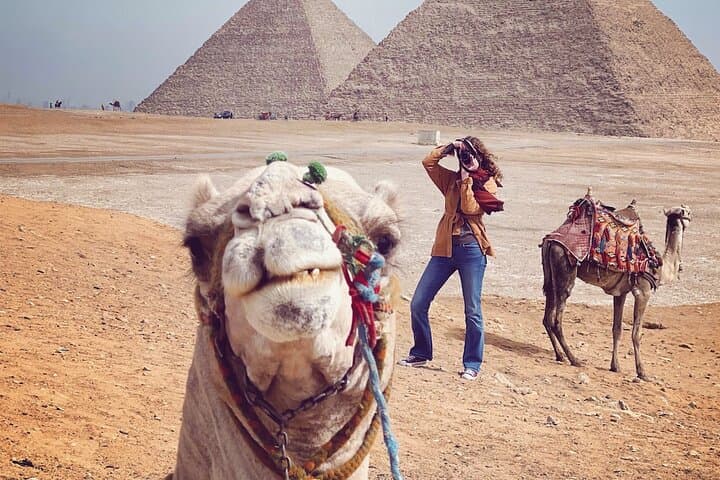
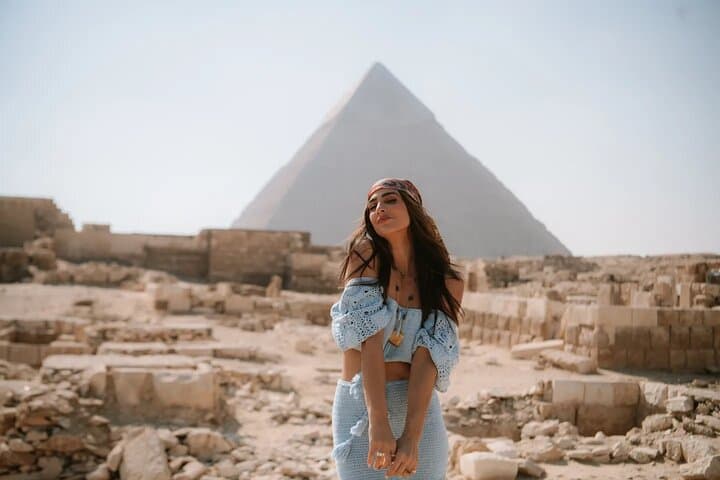
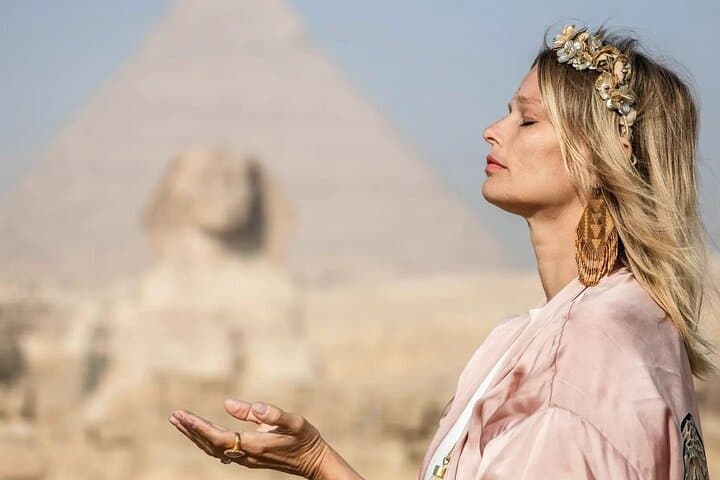
You arrive before the sun climbs high and the limestone of the Giza Plateau pushes back the morning heat, the Great Pyramid’s edges cutting a clean line against a clear sky. Wind moves sand at your feet, camel handlers unfold their ropes, and the Sphinx watches the flat horizon like an ancient guardian urging you forward.
You arrive before the sun climbs high and the limestone of the Giza Plateau pushes back the morning heat, the Great Pyramid’s edges cutting a clean line against a clear sky. Wind moves sand at your feet, camel handlers unfold their ropes, and the Sphinx watches the flat horizon like an ancient guardian urging you forward.
The three main pyramids—Khufu, Khafre and Menkaure—date to Egypt’s Fourth Dynasty (c. 2580–2490 BCE). Built from millions of limestone blocks, they sit on a bedrock plateau whose geology made the site both stable and visible across the Nile floodplain. The Sphinx, carved from a single limestone ridge, likely bears the likeness of Khafre and has been a focus of restoration and study for centuries.
Local culture is present at every turn: Egyptologists explaining architectural techniques, vendors offering papyrus prints, and the Solar Boat Museum quietly preserving funerary technology next door. Photography opportunities are abundant at the panoramic viewpoint where all three pyramids align.
Practicalities: this private, four-hour tour typically includes hotel pickup in Cairo or Giza, a guide, bottled water and drop-off. Admission fees to the pyramid interiors are usually separate—confirm with your operator. Expect uneven, sandy terrain and short hikes between viewpoints; wear sturdy shoes, sun protection and bring a refillable bottle. Morning departures avoid the worst heat and crowds. Respect restricted zones: climbing is prohibited and conservation rules are enforced. With a knowledgeable guide and a sensible pace, the Giza Plateau is an efficient, unforgettable half-day introduction to ancient Egypt.