THE ADVENTURE COLLECTIVE® · Independent discovery and booking for outdoor travel

See the Giza pyramids and Sphinx by private vehicle, then unwind with a two‑hour Nile dinner cruise. This half‑day combined tour pairs ancient monuments with an evening on Cairo’s longest river.
See the Giza pyramids and Sphinx by private vehicle, then unwind with a two‑hour Nile dinner cruise. This half‑day combined tour pairs ancient monuments with an evening on Cairo’s longest river.
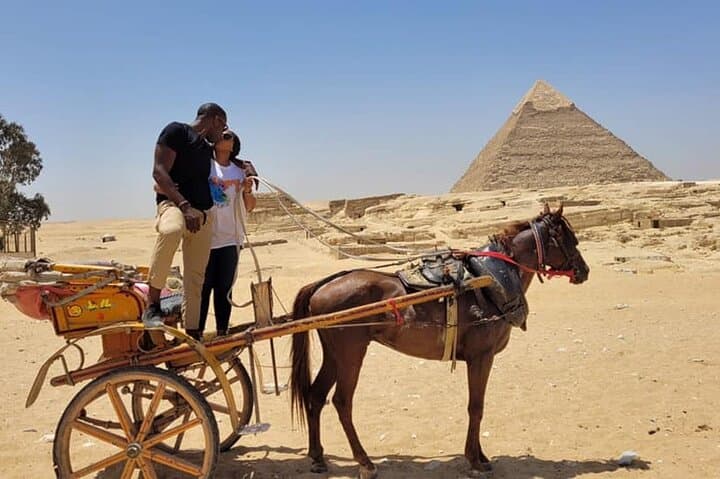
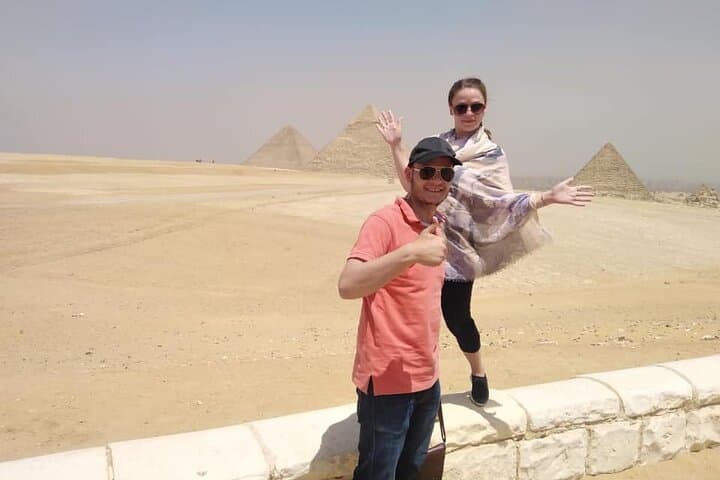
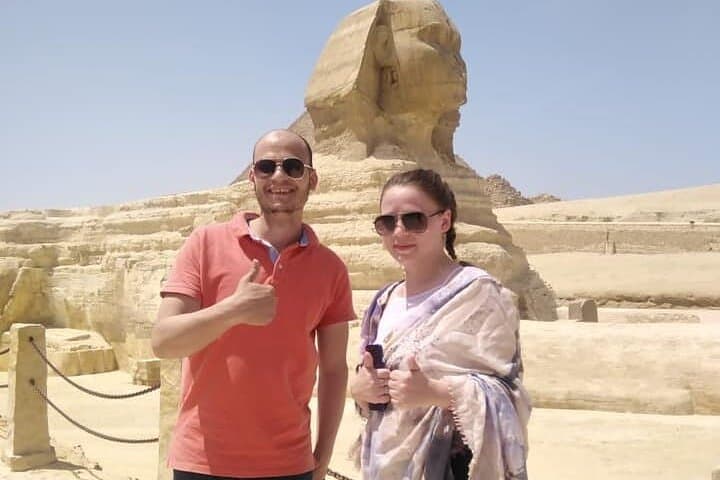
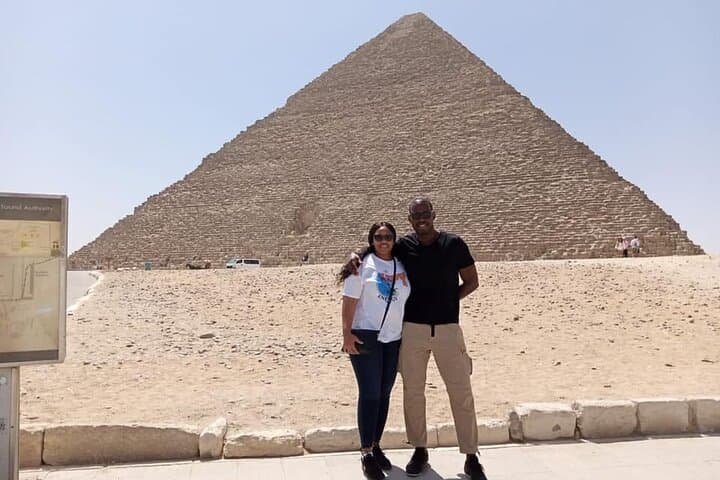
You step from the air‑conditioned vehicle onto wind-scoured limestone and the scale of the Giza Plateau flares into view: the Great Pyramid rises like a man-made mountain, the Sphinx squints eastward, and the plateau’s low scrub tastes of sand and sun.
Verified experiences and guided adventures in the surrounding area.
Operated by Hesham Egypt tour guide · Giza, Giza Governorate
You step from the air‑conditioned vehicle onto wind-scoured limestone and the scale of the Giza Plateau flares into view: the Great Pyramid rises like a man-made mountain, the Sphinx squints eastward, and the plateau’s low scrub tastes of sand and sun.
These stones belong to a 4,500‑year conversation between builders and the desert—Khufu, Khafre and Menkaure’s massive tombs, cut from local Tura and Giza limestone, remain primary chapters of ancient Egypt’s funerary engineering. The Valley Temple’s dressed blocks still look deliberate, the Sphinx a carved narrative of royal power. Nearby markets trade papyrus, perfume and cotton—modern commerce layered over millennia of ritual and travel.
After the plateau visit the evening shifts onto the Nile. The river accepts the boat with a slow pull; lantern-lit decks, belly dancers and a buffet introduce a different Egypt—urban, social, and alive after sunset. The Nile here is both transport and stage, reflecting Cairo’s lights and daring you to watch closely.
Practical guidance: this private half‑day runs about six hours including hotel pickup in Cairo or Giza. Expect moderate walking on uneven stone and loose sand; wear closed-toe shoes and a hat. Carry water, tickets, and a modest dress code for the cruise (smart casual). Photography is welcomed, but climbing the pyramids is prohibited and enforced. Time your visit for late afternoon light—shadows reveal the pyramids’ relief while the cooler air improves comfort. Combine focus (pyramids and Valley Temple) with curiosity (local shops and Nile atmosphere) for a compact, high-impact day in Egypt.
easy.
5–6 hours.
Suitable for all fitness levels; involves short walks on uneven ground and standing during explanations
Most private tours include transportation and guiding; admission to specific pyramid interiors or the Solar Boat Museum may be extra—confirm with your operator.
Yes, pickup and drop‑off from hotels in Cairo or Giza are typically provided as part of the private tour.
No—climbing the pyramids is prohibited and carries fines; you'll explore the exterior, the Sphinx area and the Valley Temple instead.
Yes—the cruise is family‑friendly with buffet dining and entertainment, but late evening timing and lively shows may not suit very young children.
The Giza complex dates to Egypt’s Fourth Dynasty (c. 2600–2500 BCE); the Great Pyramid was built for Pharaoh Khufu and the Sphinx is traditionally linked with Khafre.
Visitor pressure, erosion and nearby urban expansion are ongoing concerns—stay on marked paths, avoid touching ancient masonry and decline vendors offering illegal excavations.
Hesham Egypt tour guide operates guided outdoor trips and adventures with an emphasis on safety, stewardship, and memorable experiences.
You step from the air‑conditioned vehicle onto wind-scoured limestone and the scale of the Giza Plateau flares into view: the Great Pyramid rises like a man-made mountain, the Sphinx squints eastward, and the plateau’s low scrub tastes of sand and sun.
You step from the air‑conditioned vehicle onto wind-scoured limestone and the scale of the Giza Plateau flares into view: the Great Pyramid rises like a man-made mountain, the Sphinx squints eastward, and the plateau’s low scrub tastes of sand and sun.
These stones belong to a 4,500‑year conversation between builders and the desert—Khufu, Khafre and Menkaure’s massive tombs, cut from local Tura and Giza limestone, remain primary chapters of ancient Egypt’s funerary engineering. The Valley Temple’s dressed blocks still look deliberate, the Sphinx a carved narrative of royal power. Nearby markets trade papyrus, perfume and cotton—modern commerce layered over millennia of ritual and travel.
After the plateau visit the evening shifts onto the Nile. The river accepts the boat with a slow pull; lantern-lit decks, belly dancers and a buffet introduce a different Egypt—urban, social, and alive after sunset. The Nile here is both transport and stage, reflecting Cairo’s lights and daring you to watch closely.
Practical guidance: this private half‑day runs about six hours including hotel pickup in Cairo or Giza. Expect moderate walking on uneven stone and loose sand; wear closed-toe shoes and a hat. Carry water, tickets, and a modest dress code for the cruise (smart casual). Photography is welcomed, but climbing the pyramids is prohibited and enforced. Time your visit for late afternoon light—shadows reveal the pyramids’ relief while the cooler air improves comfort. Combine focus (pyramids and Valley Temple) with curiosity (local shops and Nile atmosphere) for a compact, high-impact day in Egypt.