THE ADVENTURE COLLECTIVE® · Independent discovery and booking for outdoor travel

A private half-day that pairs the monumental geometry of Giza’s pyramids with the city’s busiest historic bazaar. Ideal for travelers who want archaeology, local color, and practical logistics in one compact outing.
A private half-day that pairs the monumental geometry of Giza’s pyramids with the city’s busiest historic bazaar. Ideal for travelers who want archaeology, local color, and practical logistics in one compact outing.
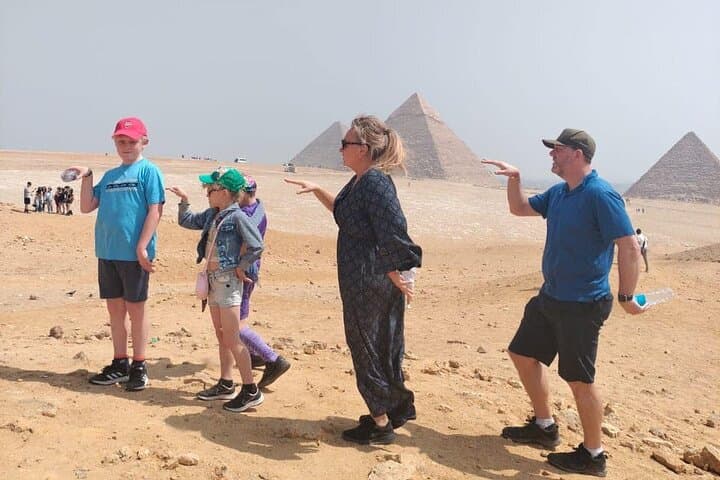
You step onto the Giza Plateau and the scale of the Great Pyramid rearranges your sense of proportion: limestone faces warm under the sun, and the Sphinx watches traffic and tourists with the same unhurried patience it has kept for millennia.
Verified experiences and guided adventures in the surrounding area.
Operated by Hesham Egypt tour guide · Giza, Giza Governorate
You step onto the Giza Plateau and the scale of the Great Pyramid rearranges your sense of proportion: limestone faces warm under the sun, and the Sphinx watches traffic and tourists with the same unhurried patience it has kept for millennia.
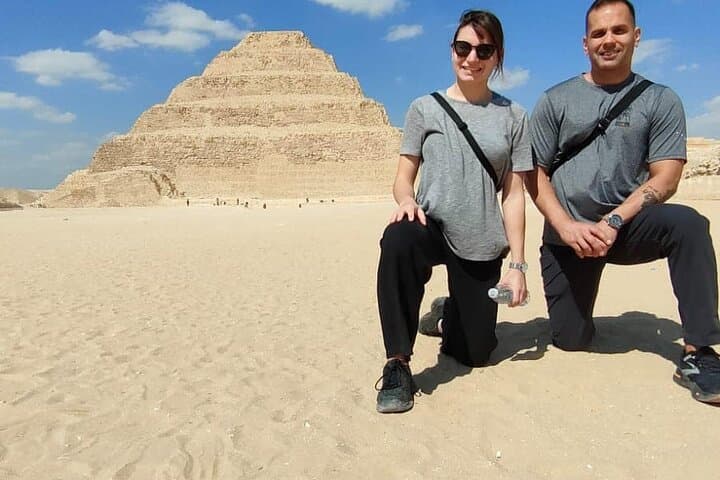
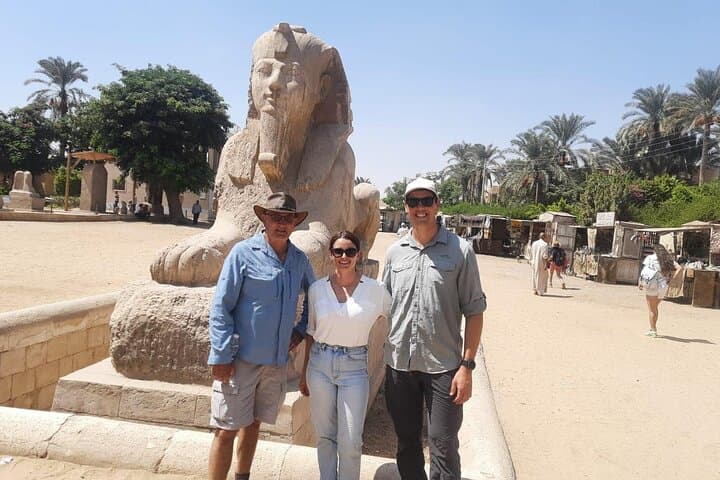
This private excursion pairs the plateau’s towering funerary complexes—Khufu’s Great Pyramid alongside Khafre and Menkaure—with a stroll through Khan el-Khalili, Cairo’s living bazaar. The pyramids date to Egypt’s Fourth Dynasty (around 2560 BCE), their blocks quarried from nearby formations and set with astonishing precision; the Sphinx, carved from the Giza bedrock, anchors a ritual landscape once focused on funerary processions. Khan el-Khalili, founded in the Mamluk era, evolved from caravanserai and workshops into today’s market of spices, brassware and coffeehouses.
Expect dry heat on the plateau, fine grit in the wind and an aural patchwork of guide commentary, hawkers and the calls of street vendors. In the bazaar, negotiate prices and look for handcrafted inlay, old bookshops and rooftop cafés that offer a break from the crush below.
Practical notes: plan for early morning or late afternoon light, bring sun protection and local currency for small purchases and tips, and wear sturdy shoes—surfaces are uneven and sandy. Photography is allowed broadly, but camera rules and tomb access can vary; confirm entrance inclusions and whether your tour includes pyramid interiors. A private guide and air-conditioned transfer make this a compact cultural day that balances monumental history with immediate, sensory city life.
easy.
4 hours.
Light walking on uneven, sandy and cobbled surfaces; suitable for most fitness levels
That depends on your booking option; some private tours include entrance fees while others list them as optional—confirm with the operator before arrival.
Access to pyramid interiors is limited and ticketed separately when available; the Sphinx interior is not open to the public—your guide will confirm current access and additional fees.
Yes—this is low-impact walking, but uneven ground and heat can make the visit tiring; plan rest breaks and bring shade and water for children and seniors.
Early morning or late afternoon offers cooler temperatures and better light for photography; midday is hotter and busier.
The Great Pyramid of Khufu was completed around 2560 BCE as a royal tomb; Khan el-Khalili arose in the Mamluk period as a commercial quarter and has been a trading hub for centuries.
Visitor pressure and vibration affect fragile stonework; stay on marked paths, avoid touching carved surfaces and support licensed local guides who follow site rules.
Hesham Egypt tour guide operates guided outdoor trips and adventures with an emphasis on safety, stewardship, and memorable experiences.

You step onto the Giza Plateau and the scale of the Great Pyramid rearranges your sense of proportion: limestone faces warm under the sun, and the Sphinx watches traffic and tourists with the same unhurried patience it has kept for millennia.
You step onto the Giza Plateau and the scale of the Great Pyramid rearranges your sense of proportion: limestone faces warm under the sun, and the Sphinx watches traffic and tourists with the same unhurried patience it has kept for millennia.
This private excursion pairs the plateau’s towering funerary complexes—Khufu’s Great Pyramid alongside Khafre and Menkaure—with a stroll through Khan el-Khalili, Cairo’s living bazaar. The pyramids date to Egypt’s Fourth Dynasty (around 2560 BCE), their blocks quarried from nearby formations and set with astonishing precision; the Sphinx, carved from the Giza bedrock, anchors a ritual landscape once focused on funerary processions. Khan el-Khalili, founded in the Mamluk era, evolved from caravanserai and workshops into today’s market of spices, brassware and coffeehouses.
Expect dry heat on the plateau, fine grit in the wind and an aural patchwork of guide commentary, hawkers and the calls of street vendors. In the bazaar, negotiate prices and look for handcrafted inlay, old bookshops and rooftop cafés that offer a break from the crush below.
Practical notes: plan for early morning or late afternoon light, bring sun protection and local currency for small purchases and tips, and wear sturdy shoes—surfaces are uneven and sandy. Photography is allowed broadly, but camera rules and tomb access can vary; confirm entrance inclusions and whether your tour includes pyramid interiors. A private guide and air-conditioned transfer make this a compact cultural day that balances monumental history with immediate, sensory city life.