THE ADVENTURE COLLECTIVE® · Independent discovery and booking for outdoor travel

Spend a private day exploring the Giza Plateau, the newly opened Grand Egyptian Museum and the lively Khan El Khalili bazaar. This eight-hour guided tour includes expert Egyptologist commentary and an optional camel ride to frame the pyramids from the desert.
Spend a private day exploring the Giza Plateau, the newly opened Grand Egyptian Museum and the lively Khan El Khalili bazaar. This eight-hour guided tour includes expert Egyptologist commentary and an optional camel ride to frame the pyramids from the desert.
You step from an air-conditioned car onto the baked limestone floor of the Giza Plateau as the morning sun pries at the edges of the pyramids. Sand draws shadows along the stepped faces of Cheops, Chephren and Mycerinus, while the Sphinx stares across centuries, alert and unmoving.
Verified experiences and guided adventures in the surrounding area.
Operated by Misk Tours · Giza, Giza Governorate
You step from an air-conditioned car onto the baked limestone floor of the Giza Plateau as the morning sun pries at the edges of the pyramids. Sand draws shadows along the stepped faces of Cheops, Chephren and Mycerinus, while the Sphinx stares across centuries, alert and unmoving.
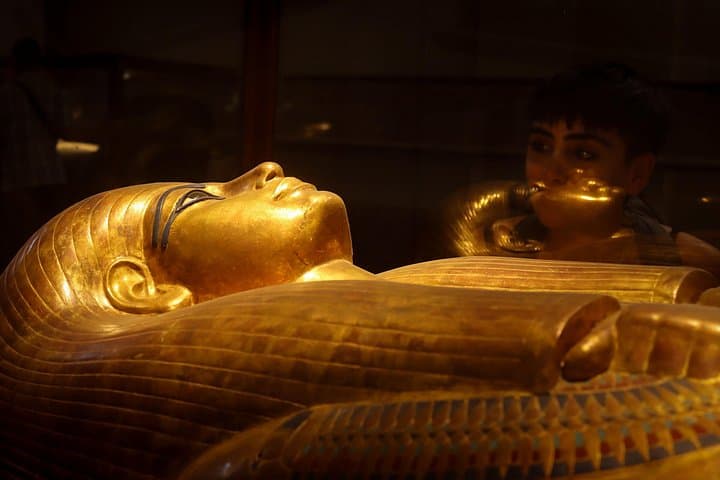
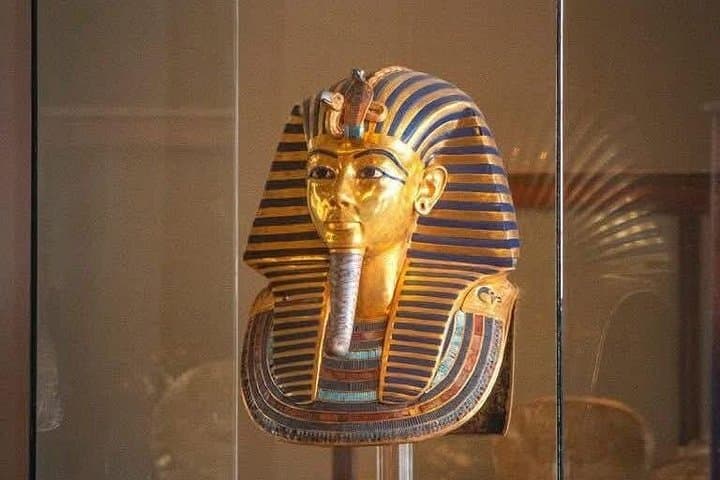
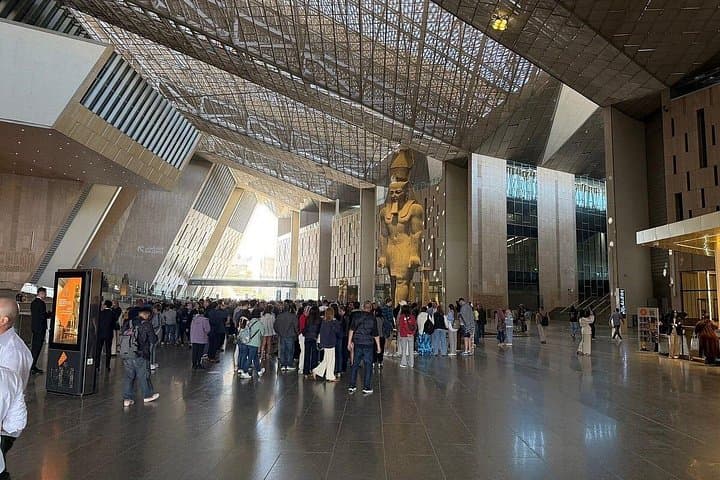
The three pyramids are tombs from Egypt's Old Kingdom—built roughly 4,500 years ago by dynastic rulers using quarried limestone and granite—set on a bedrock plateau that resists erosion and frames Cairo beyond. The nearby Grand Egyptian Museum gathers millennia of material culture, including the restored Khufu solar boat and the reunited treasures of Tutankhamun, offering context to the stones you’ll walk among. Khan El Khalili, in Islamic Cairo, keeps the city's living craft traditions: metalwork, textiles and aromatic spice stalls where bargaining is part of the rhythm.
Expect a balanced day: roughly eight hours total with periods of walking on uneven limestone, compacted sand and museum floors. Your private Egyptologist interprets construction methods, religious meaning and the geopolitics that shaped ancient Memphis. Practicalities matter—carry sun protection, at least two liters of water, comfortable walking shoes and a light layer for early-morning breezes. Cameras are welcome but respect signage; climbing the monuments is prohibited. A short camel ride along the plateau gives a tactile sense of scale, while a guided stroll through Khan El Khalili exposes local commerce and flavors.
Plan visits outside the high sun, allow extra time for security and photos, and tip locally. The plateau rewards curiosity; move deliberately and safely.
easy.
8 hours.
Suitable for most travelers with basic walking fitness; includes short walks on sand and uneven stone
Entrance fees are included only if you book the all-inclusive option; otherwise tickets can be purchased on-site or added by your supplier.
The advertised 20-minute camel ride is included with the all-inclusive price option; confirm availability and safety briefing with your guide.
Yes; the tour is suitable for all ages but infants must sit on an adult's lap for transportation and participants should manage child comfort during sun exposure.
No—climbing the pyramids is prohibited. Respect site signage and fenced areas to protect the monuments and avoid fines.
The Giza pyramids date to Egypt's Old Kingdom (c. 2600–2500 BCE) as royal tombs; the Grand Egyptian Museum consolidates artifacts from multiple archaeological eras, including Tutankhamun's collection.
Visitor pressure is the main concern—stay on designated paths, avoid touching painted or fragile stone, support licensed guides and prefer refillable water to reduce single-use plastic.
Misk Tours operates guided outdoor trips and adventures with an emphasis on safety, stewardship, and memorable experiences.
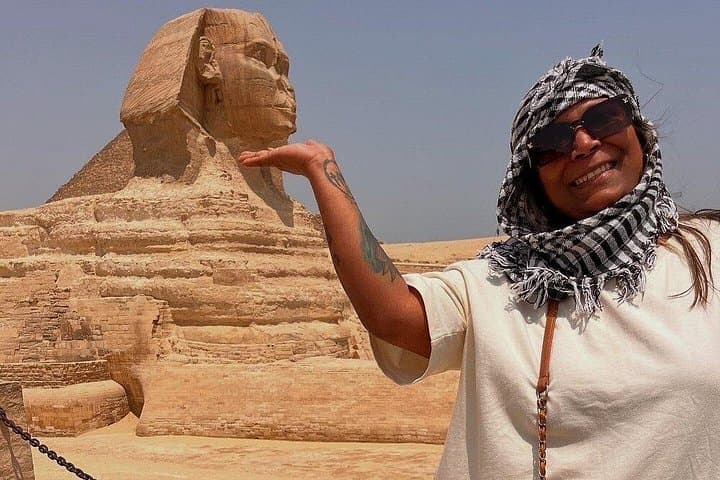
You step from an air-conditioned car onto the baked limestone floor of the Giza Plateau as the morning sun pries at the edges of the pyramids. Sand draws shadows along the stepped faces of Cheops, Chephren and Mycerinus, while the Sphinx stares across centuries, alert and unmoving.
You step from an air-conditioned car onto the baked limestone floor of the Giza Plateau as the morning sun pries at the edges of the pyramids. Sand draws shadows along the stepped faces of Cheops, Chephren and Mycerinus, while the Sphinx stares across centuries, alert and unmoving.
The three pyramids are tombs from Egypt's Old Kingdom—built roughly 4,500 years ago by dynastic rulers using quarried limestone and granite—set on a bedrock plateau that resists erosion and frames Cairo beyond. The nearby Grand Egyptian Museum gathers millennia of material culture, including the restored Khufu solar boat and the reunited treasures of Tutankhamun, offering context to the stones you’ll walk among. Khan El Khalili, in Islamic Cairo, keeps the city's living craft traditions: metalwork, textiles and aromatic spice stalls where bargaining is part of the rhythm.
Expect a balanced day: roughly eight hours total with periods of walking on uneven limestone, compacted sand and museum floors. Your private Egyptologist interprets construction methods, religious meaning and the geopolitics that shaped ancient Memphis. Practicalities matter—carry sun protection, at least two liters of water, comfortable walking shoes and a light layer for early-morning breezes. Cameras are welcome but respect signage; climbing the monuments is prohibited. A short camel ride along the plateau gives a tactile sense of scale, while a guided stroll through Khan El Khalili exposes local commerce and flavors.
Plan visits outside the high sun, allow extra time for security and photos, and tip locally. The plateau rewards curiosity; move deliberately and safely.