THE ADVENTURE COLLECTIVE® · Independent discovery and booking for outdoor travel

See the Great Pyramid, the Sphinx and the Egyptian Museum in a single, well-paced day. This private tour pairs outdoor exploration on the Giza Plateau with curated highlights inside Cairo’s foremost antiquities museum.
See the Great Pyramid, the Sphinx and the Egyptian Museum in a single, well-paced day. This private tour pairs outdoor exploration on the Giza Plateau with curated highlights inside Cairo’s foremost antiquities museum.
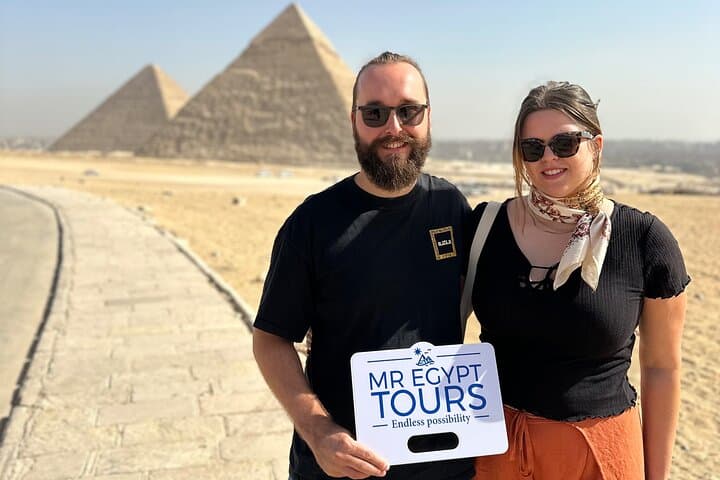
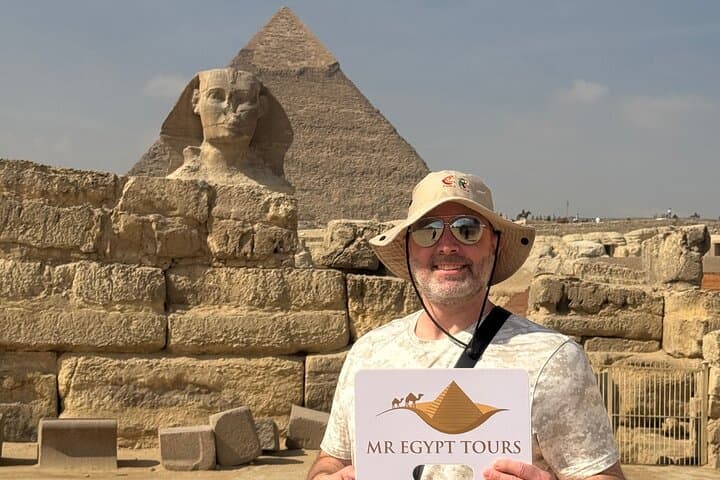
You step from the car onto a wind-scrubbed apron of desert and the pyramids loom, their stepped profiles catching a hard, low light. The air smells of dust and sun; a guide points out the shear of dressed limestone on the Great Pyramid, the worn features of the Sphinx gazing toward the Nile, and the line where bedrock gives way to ancient masonry.
Verified experiences and guided adventures in the surrounding area.
Operated by Mr Egypt tours · Giza, Giza Governorate
You step from the car onto a wind-scrubbed apron of desert and the pyramids loom, their stepped profiles catching a hard, low light. The air smells of dust and sun; a guide points out the shear of dressed limestone on the Great Pyramid, the worn features of the Sphinx gazing toward the Nile, and the line where bedrock gives way to ancient masonry.
This day tour threads two eras: the monumental funerary landscape of the Giza Plateau—Khufu, Khafre and Menkaure built around 2600–2500 BCE—and the modern collecting history of the Egyptian Museum in central Cairo, where finds from across dynasties, including the treasures associated with Tutankhamun, trace the arc of pharaonic life and afterlife. Geology is plain here: locally quarried limestone and imported red granite form chambers and casing stones; wind and time have given surfaces a textured patina.
Expect a paced, itineraried day: hotel pickup around 8:00, guided exploration of pyramids, panoramic viewpoints, and the Sphinx, followed by lunch and two hours inside the museum. Practicalities matter—sun protection, breathable layers, and steady shoes for uneven plateau stone. Photography is welcome on the plateau; museum policy varies by gallery.
Cultural cues are simple: dress respectfully for museum spaces, decline aggressive souvenir sellers politely, and never climb on monuments. The tour’s private vehicle, guide, entrance fees, water and lunch are typically included, making this a concentrated, accessible introduction to Egypt’s deep past paired with clear, practical logistics for travelers.
easy.
6–8 hours.
Suitable for travelers in average health; requires standing, walking on uneven ground and short uphill sections on the plateau.
This tour typically includes main entrance fees for the Giza Plateau and the Egyptian Museum as stated in the itinerary.
Photography rules vary by gallery and exhibit; non‑flash photography is often allowed but follow signage and staff instructions.
Yes—transfers and a private vehicle are included and the pace is moderate, but it’s not recommended for people with serious spinal issues or mobility limitations.
Camel rides are usually available in the panoramic area but are optional and paid locally; agree a price beforehand.
The Giza complex dates to Egypt’s Fourth Dynasty (c. 2600 BCE) and the museum in Cairo reflects two centuries of antiquities collecting and archaeological discovery.
Heavy visitor numbers place pressure on fragile stone and artifacts; follow pathways, avoid touching ancient surfaces and support licensed guides and museums to help preservation.
Mr Egypt tours operates guided outdoor trips and adventures with an emphasis on safety, stewardship, and memorable experiences.

You step from the car onto a wind-scrubbed apron of desert and the pyramids loom, their stepped profiles catching a hard, low light. The air smells of dust and sun; a guide points out the shear of dressed limestone on the Great Pyramid, the worn features of the Sphinx gazing toward the Nile, and the line where bedrock gives way to ancient masonry.
You step from the car onto a wind-scrubbed apron of desert and the pyramids loom, their stepped profiles catching a hard, low light. The air smells of dust and sun; a guide points out the shear of dressed limestone on the Great Pyramid, the worn features of the Sphinx gazing toward the Nile, and the line where bedrock gives way to ancient masonry.
This day tour threads two eras: the monumental funerary landscape of the Giza Plateau—Khufu, Khafre and Menkaure built around 2600–2500 BCE—and the modern collecting history of the Egyptian Museum in central Cairo, where finds from across dynasties, including the treasures associated with Tutankhamun, trace the arc of pharaonic life and afterlife. Geology is plain here: locally quarried limestone and imported red granite form chambers and casing stones; wind and time have given surfaces a textured patina.
Expect a paced, itineraried day: hotel pickup around 8:00, guided exploration of pyramids, panoramic viewpoints, and the Sphinx, followed by lunch and two hours inside the museum. Practicalities matter—sun protection, breathable layers, and steady shoes for uneven plateau stone. Photography is welcome on the plateau; museum policy varies by gallery.
Cultural cues are simple: dress respectfully for museum spaces, decline aggressive souvenir sellers politely, and never climb on monuments. The tour’s private vehicle, guide, entrance fees, water and lunch are typically included, making this a concentrated, accessible introduction to Egypt’s deep past paired with clear, practical logistics for travelers.