THE ADVENTURE COLLECTIVE® · Independent discovery and booking for outdoor travel

Stand before the Great Pyramids, ride a camel across the Giza sands and enjoy a traditional Egyptian lunch with a private guide. This 4–5 hour all‑inclusive option pairs panoramic viewpoints with optional interior access to selected pyramids.
Stand before the Great Pyramids, ride a camel across the Giza sands and enjoy a traditional Egyptian lunch with a private guide. This 4–5 hour all‑inclusive option pairs panoramic viewpoints with optional interior access to selected pyramids.
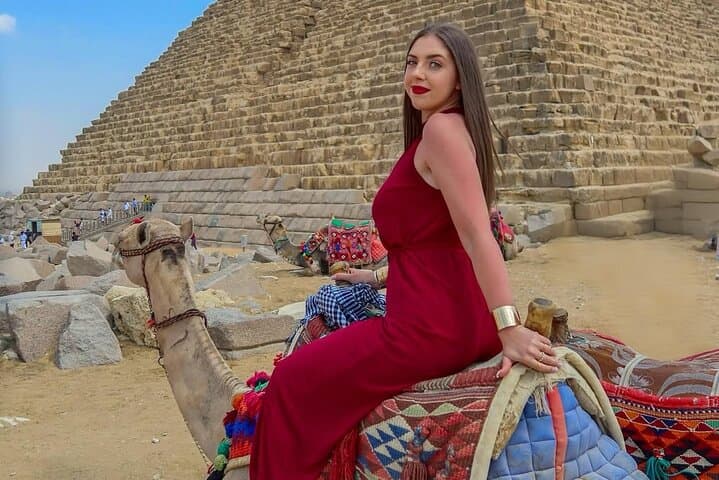
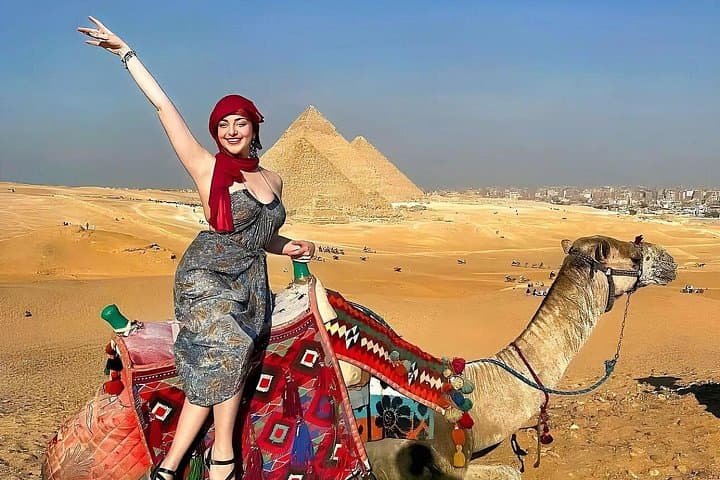
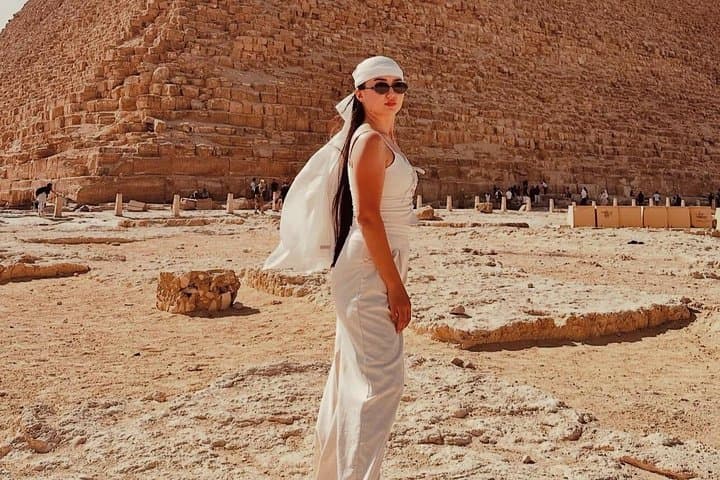
Morning light sharpens the edges of the Giza Plateau as wind-polished sand lifts in thin ribbons; the pyramids stand like geometric challenges, and a camel's slow sway punctuates the silence. Guided groups move between giants—Khufu, Khafre and Menkaure—while the Great Sphinx watches from its limestone perch.
Verified experiences and guided adventures in the surrounding area.
Operated by Siwa Travel Egypt · Giza, Giza Governorate
Morning light sharpens the edges of the Giza Plateau as wind-polished sand lifts in thin ribbons; the pyramids stand like geometric challenges, and a camel's slow sway punctuates the silence. Guided groups move between giants—Khufu, Khafre and Menkaure—while the Great Sphinx watches from its limestone perch.
The stones here are older than the map of nations: quarried local limestone and casing blocks once smoothed to gleam, now weathered into stepped history. The plateau records millennia of funerary engineering, from Old Kingdom mastabas to the lesser-visited Pyramid of Queen Henutsen, whose interior passages hint at Middle Kingdom funerary practice. Culture is present in the rhythms of vendors, the recipes at a nearby table serving koshary or falafel, and in the oral histories guides relay.
Visitors should expect uneven, sandy terrain and open sun; walking distances vary but plan on several kilometers across the site with short climbs to panoramic viewpoints. Best light is early morning or late afternoon for photography and cooler temperatures. If you book an all‑inclusive option you can enter selected pyramid interiors and include a short camel ride; mobile tickets and a private guide speed the experience.
Practical tips: wear sturdy closed shoes that handle sand, bring 1–2 liters of water, sun protection, and cash for modest tips and soft purchases. Respect restricted areas and local customs—cover shoulders and knees when entering indoor spaces—and allot time for transport and security checks when scheduling onward travel. Expect friendly bargaining at stalls and clear explanations from knowledgeable local guides regularly.
moderate.
4–5 hours.
Light to moderate fitness; comfortable walking on sand and uneven ground for several kilometers.
Entrance fees vary by option; the all‑inclusive package typically covers standard site admissions and specific pyramid interiors—confirm at booking.
Early morning or late afternoon provides cooler temperatures and directional light; midday is harsh and hotter.
Camel rides are short and generally safe for most people, but inform the operator of mobility concerns; small children may ride with supervision.
Parts of the plateau are uneven sand and stone; while short stretches can accommodate a stroller, full wheelchair access is limited—check transfer and accessibility options when booking.
The Giza Plateau dates to the Old Kingdom; Khufu's Great Pyramid was completed around 2560 BCE and the Sphinx is commonly associated with Pharaoh Khafre.
High visitor numbers strain fragile surfaces—stay on designated routes, avoid climbing monuments, and support licensed guides and local businesses to encourage sustainable tourism.
Siwa Travel Egypt operates guided outdoor trips and adventures with an emphasis on safety, stewardship, and memorable experiences.

Morning light sharpens the edges of the Giza Plateau as wind-polished sand lifts in thin ribbons; the pyramids stand like geometric challenges, and a camel's slow sway punctuates the silence. Guided groups move between giants—Khufu, Khafre and Menkaure—while the Great Sphinx watches from its limestone perch.
Morning light sharpens the edges of the Giza Plateau as wind-polished sand lifts in thin ribbons; the pyramids stand like geometric challenges, and a camel's slow sway punctuates the silence. Guided groups move between giants—Khufu, Khafre and Menkaure—while the Great Sphinx watches from its limestone perch.
The stones here are older than the map of nations: quarried local limestone and casing blocks once smoothed to gleam, now weathered into stepped history. The plateau records millennia of funerary engineering, from Old Kingdom mastabas to the lesser-visited Pyramid of Queen Henutsen, whose interior passages hint at Middle Kingdom funerary practice. Culture is present in the rhythms of vendors, the recipes at a nearby table serving koshary or falafel, and in the oral histories guides relay.
Visitors should expect uneven, sandy terrain and open sun; walking distances vary but plan on several kilometers across the site with short climbs to panoramic viewpoints. Best light is early morning or late afternoon for photography and cooler temperatures. If you book an all‑inclusive option you can enter selected pyramid interiors and include a short camel ride; mobile tickets and a private guide speed the experience.
Practical tips: wear sturdy closed shoes that handle sand, bring 1–2 liters of water, sun protection, and cash for modest tips and soft purchases. Respect restricted areas and local customs—cover shoulders and knees when entering indoor spaces—and allot time for transport and security checks when scheduling onward travel. Expect friendly bargaining at stalls and clear explanations from knowledgeable local guides regularly.