THE ADVENTURE COLLECTIVE® · Independent discovery and booking for outdoor travel

Combine an Egyptologist-led tour of the Giza Plateau with a camel panorama, Sphinx visit, and an hour of quad-biking across the desert, finished with a local koshry lunch. Private transfer from Cairo and flexible departure times make this a compact, high-impact half-day excursion.
Combine an Egyptologist-led tour of the Giza Plateau with a camel panorama, Sphinx visit, and an hour of quad-biking across the desert, finished with a local koshry lunch. Private transfer from Cairo and flexible departure times make this a compact, high-impact half-day excursion.
You step from an air-conditioned vehicle onto a flat limestone plateau where the pyramids rise like engineered mountains and the desert wind already has a direction. The Great Pyramid looms, its edges catching late light, while the Sphinx watches from the sand, human face meeting animal body with an unhurried stare. The tour moves at a personal pace: a short lecture from an Egyptologist, a quick camel ride across the panorama point, photo stops at the Sphinx, and an hour on quad bikes in the open Sahara.
Verified experiences and guided adventures in the surrounding area.
Operated by Hesham Egypt tour guide · Giza, Giza Governorate
You step from an air-conditioned vehicle onto a flat limestone plateau where the pyramids rise like engineered mountains and the desert wind already has a direction. The Great Pyramid looms, its edges catching late light, while the Sphinx watches from the sand, human face meeting animal body with an unhurried stare. The tour moves at a personal pace: a short lecture from an Egyptologist, a quick camel ride across the panorama point, photo stops at the Sphinx, and an hour on quad bikes in the open Sahara.
This landscape is both human-made and geological — the Giza Plateau is a band of Eocene limestone sitting above the Nile floodplain, quarried by ancient builders 4,500 years ago to create precise tombs for pharaohs. Local life folds around those monuments: vendors, camel handlers, and food stalls serving koshry and tea, reflecting centuries of continuous habitation and tourism culture.
Practically, the private format means flexible pickup and fewer crowds; entrance fees and transport are included depending on the option booked. Expect sandy terrain underfoot, sudden gusts of wind, and bright sun; the quad section requires basic coordination and attention to the guide. Bring sunscreen, closed-toe shoes for the ATV, and a small amount of local currency for photos or tips. Timing toward late afternoon improves light for pictures and cools the heat, but check pickup windows and museum closures before you go.
The day balances awe and motion: ancient stones hold their ground while the desert dares you to move through it — on camelback, on a quad, and with your guide narrating the story at every stop.
moderate.
4 hours.
Suitable for most fitness levels; requires basic mobility for mounting camels and operating a quad bike
Yes — the tour lists hotel pickup and drop-off in an air-conditioned vehicle; confirm your pickup point at booking.
Entrance is included depending on the booked option; verify which tickets (plateau vs. pyramid interior) are covered before you travel.
Yes — quads are typically suitable for first-time riders, but guides will give a safety briefing; avoid risky maneuvers and follow instructions.
Children can join but operators set age and weight limits for safety; disclose ages when booking and follow the guide’s recommendations.
The Giza pyramids date to Egypt’s Fourth Dynasty (~2575–2465 BCE); the plateau functioned as a necropolis and limestone quarry, central to ancient funerary architecture.
High visitor numbers strain the plateau’s fragile surface; stick to marked paths, avoid climbing monuments, and support guides who practice respectful tourism.
Hesham Egypt tour guide operates guided outdoor trips and adventures with an emphasis on safety, stewardship, and memorable experiences.
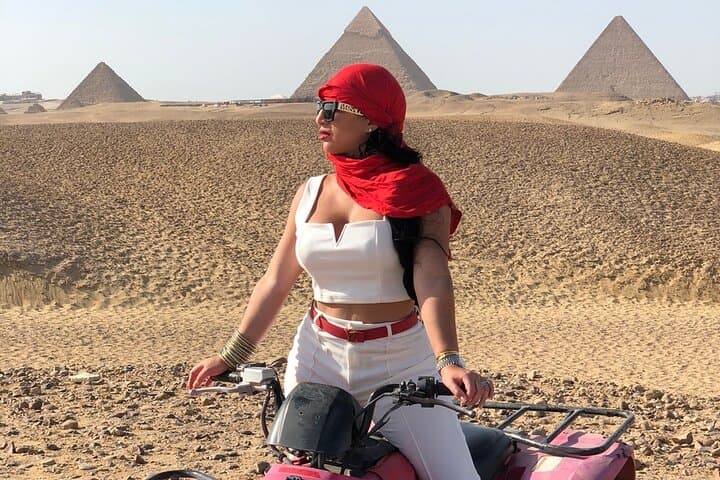
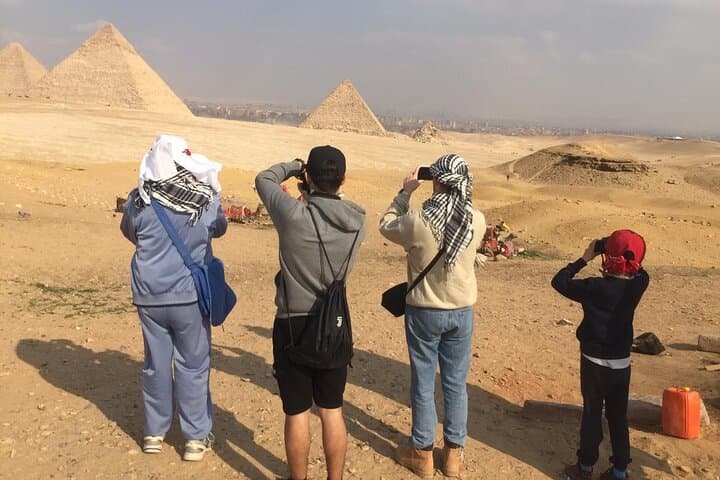
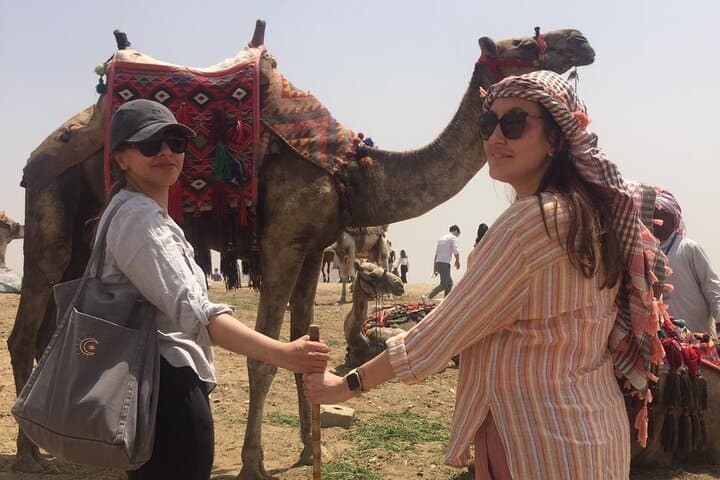
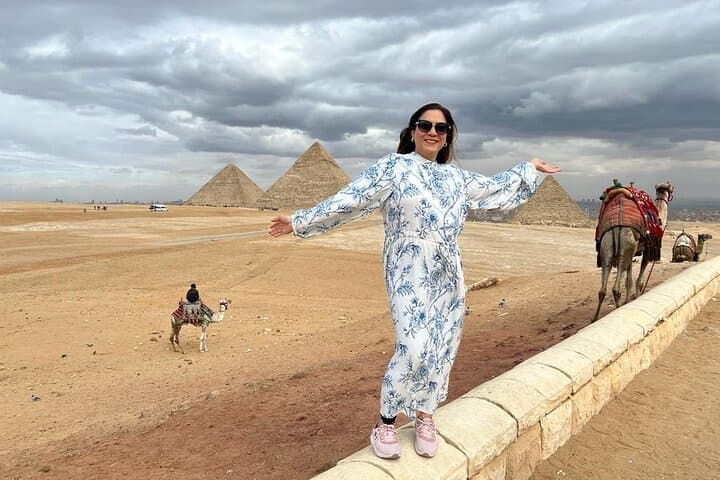
You step from an air-conditioned vehicle onto a flat limestone plateau where the pyramids rise like engineered mountains and the desert wind already has a direction. The Great Pyramid looms, its edges catching late light, while the Sphinx watches from the sand, human face meeting animal body with an unhurried stare. The tour moves at a personal pace: a short lecture from an Egyptologist, a quick camel ride across the panorama point, photo stops at the Sphinx, and an hour on quad bikes in the open Sahara.
You step from an air-conditioned vehicle onto a flat limestone plateau where the pyramids rise like engineered mountains and the desert wind already has a direction. The Great Pyramid looms, its edges catching late light, while the Sphinx watches from the sand, human face meeting animal body with an unhurried stare. The tour moves at a personal pace: a short lecture from an Egyptologist, a quick camel ride across the panorama point, photo stops at the Sphinx, and an hour on quad bikes in the open Sahara.
This landscape is both human-made and geological — the Giza Plateau is a band of Eocene limestone sitting above the Nile floodplain, quarried by ancient builders 4,500 years ago to create precise tombs for pharaohs. Local life folds around those monuments: vendors, camel handlers, and food stalls serving koshry and tea, reflecting centuries of continuous habitation and tourism culture.
Practically, the private format means flexible pickup and fewer crowds; entrance fees and transport are included depending on the option booked. Expect sandy terrain underfoot, sudden gusts of wind, and bright sun; the quad section requires basic coordination and attention to the guide. Bring sunscreen, closed-toe shoes for the ATV, and a small amount of local currency for photos or tips. Timing toward late afternoon improves light for pictures and cools the heat, but check pickup windows and museum closures before you go.
The day balances awe and motion: ancient stones hold their ground while the desert dares you to move through it — on camelback, on a quad, and with your guide narrating the story at every stop.