THE ADVENTURE COLLECTIVE® · Independent discovery and booking for outdoor travel

Stand before the Great Pyramid and ride a camel across the plateau on a private full-day tour from Cairo. Expect guided history, optional pyramid interior access, and practical tips for timing, clothing, and photography.
Stand before the Great Pyramid and ride a camel across the plateau on a private full-day tour from Cairo. Expect guided history, optional pyramid interior access, and practical tips for timing, clothing, and photography.
You arrive onto the Giza Plateau with the sun low and the stones throwing long shadows—sand crunches underfoot, and a camel’s deliberate gait seems to measure time the way dynasties once did. The three main pyramids loom, geometric and ancient, while the Sphinx watches the horizon, its limestone profile eroded by centuries of wind and urban dust.
Verified experiences and guided adventures in the surrounding area.
Operated by MAP Tours · Giza, Giza Governorate
You arrive onto the Giza Plateau with the sun low and the stones throwing long shadows—sand crunches underfoot, and a camel’s deliberate gait seems to measure time the way dynasties once did. The three main pyramids loom, geometric and ancient, while the Sphinx watches the horizon, its limestone profile eroded by centuries of wind and urban dust.
This plateau is both archaeological archive and living neighborhood. The Great Pyramid of Khufu dates to around 2560 BCE and was the tallest man-made structure for millennia; Khafre and Menkaure follow nearby, each built with different scale and intent. Geologically, the plateau sits on Eocene limestone bedrock, quarried by the same hands that shaped the monuments. Culturally, guides—often Egyptologists—translate hieroglyphic logic into human stories: burial rites, solar symbolism, and the technical ingenuity of ancient builders.
Practical side: expect a 6–8 hour private outing including hotel pickup in Cairo or Giza, a guided walk among the pyramids, optional interior entry to a pyramid (additional ticket), and a camel ride across the sands. Wear sturdy closed shoes; temperatures can swing dramatically between shade and sun. Bring cash for small vendors and tipping, and a camera with extra batteries—the plateau’s light is relentless and rewarding.
Timing matters: early morning or late afternoon yields cooler temperatures and softer light. Respect restricted zones, follow your guide’s route, and carry water—the desert will insist on it. This tour blends history, hands-on perspective, and the tactile, slow rhythm of camel travel—an accessible, full-day way to stand inside four and a half millennia of human ambition.
easy.
7 hours.
Suitable for most fitness levels; involves moderate walking on uneven ground and short climbs
General entrance to the Giza Plateau is included; entering a pyramid’s interior requires an additional ticket that may not be covered by the tour price.
Yes, a camel ride around the pyramids is included as part of this private tour.
The tour provides hotel pickup and drop-off from Cairo and Giza hotels—confirm pickup location and time when booking.
Photography is allowed on the plateau but some interior spaces limit flash and tripods; follow your guide and posted rules to avoid damage to artifacts.
The Great Pyramid of Khufu was completed around 2560 BCE as a royal tomb; the Sphinx, carved from the natural limestone of the plateau, is commonly associated with Pharaoh Khafre.
High visitation and surrounding urban development stress the site; visitors should avoid touching surfaces, stay on designated paths, and support preservation by following guide instructions.
MAP Tours operates guided outdoor trips and adventures with an emphasis on safety, stewardship, and memorable experiences.
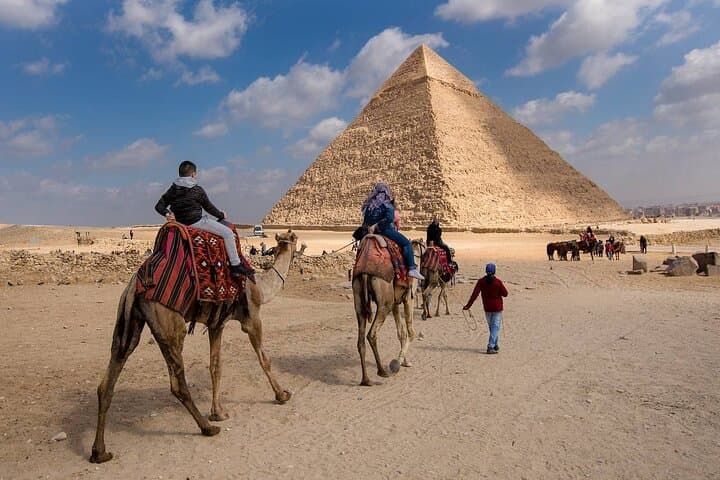
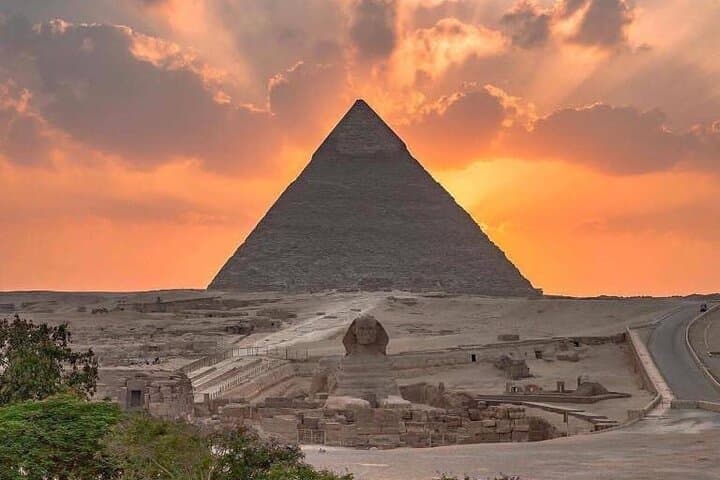
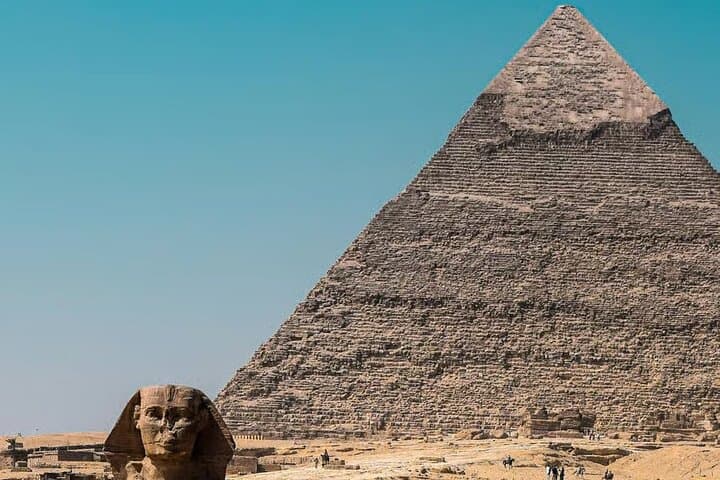
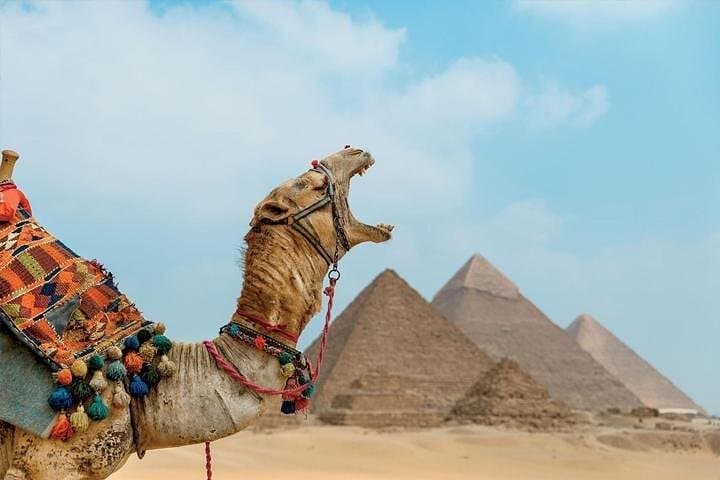
You arrive onto the Giza Plateau with the sun low and the stones throwing long shadows—sand crunches underfoot, and a camel’s deliberate gait seems to measure time the way dynasties once did. The three main pyramids loom, geometric and ancient, while the Sphinx watches the horizon, its limestone profile eroded by centuries of wind and urban dust.
You arrive onto the Giza Plateau with the sun low and the stones throwing long shadows—sand crunches underfoot, and a camel’s deliberate gait seems to measure time the way dynasties once did. The three main pyramids loom, geometric and ancient, while the Sphinx watches the horizon, its limestone profile eroded by centuries of wind and urban dust.
This plateau is both archaeological archive and living neighborhood. The Great Pyramid of Khufu dates to around 2560 BCE and was the tallest man-made structure for millennia; Khafre and Menkaure follow nearby, each built with different scale and intent. Geologically, the plateau sits on Eocene limestone bedrock, quarried by the same hands that shaped the monuments. Culturally, guides—often Egyptologists—translate hieroglyphic logic into human stories: burial rites, solar symbolism, and the technical ingenuity of ancient builders.
Practical side: expect a 6–8 hour private outing including hotel pickup in Cairo or Giza, a guided walk among the pyramids, optional interior entry to a pyramid (additional ticket), and a camel ride across the sands. Wear sturdy closed shoes; temperatures can swing dramatically between shade and sun. Bring cash for small vendors and tipping, and a camera with extra batteries—the plateau’s light is relentless and rewarding.
Timing matters: early morning or late afternoon yields cooler temperatures and softer light. Respect restricted zones, follow your guide’s route, and carry water—the desert will insist on it. This tour blends history, hands-on perspective, and the tactile, slow rhythm of camel travel—an accessible, full-day way to stand inside four and a half millennia of human ambition.