THE ADVENTURE COLLECTIVE® · Independent discovery and booking for outdoor travel

Walk the Giza Plateau in small-group privacy at first light with an expert guide. This four‑hour morning tour pairs panoramic viewpoints, the Valley Temple, and the Great Sphinx with practical guidance to make the most of Cairo’s most iconic site.
Walk the Giza Plateau in small-group privacy at first light with an expert guide. This four‑hour morning tour pairs panoramic viewpoints, the Valley Temple, and the Great Sphinx with practical guidance to make the most of Cairo’s most iconic site.
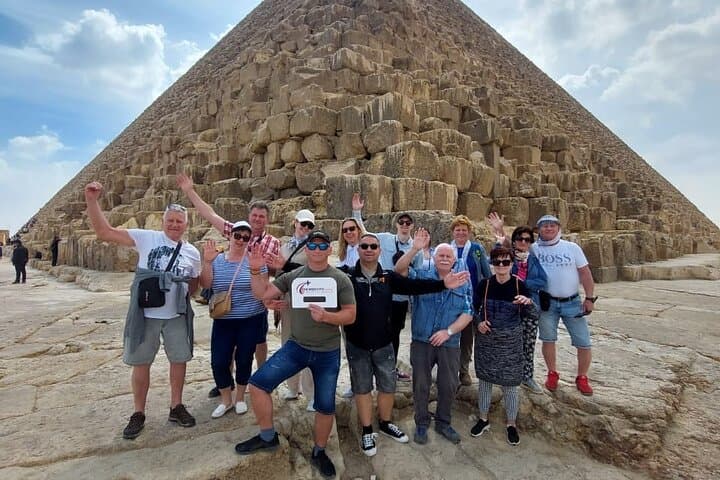
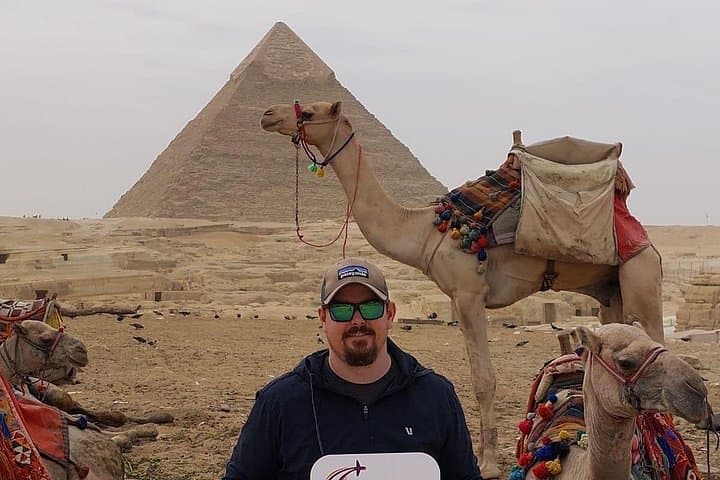
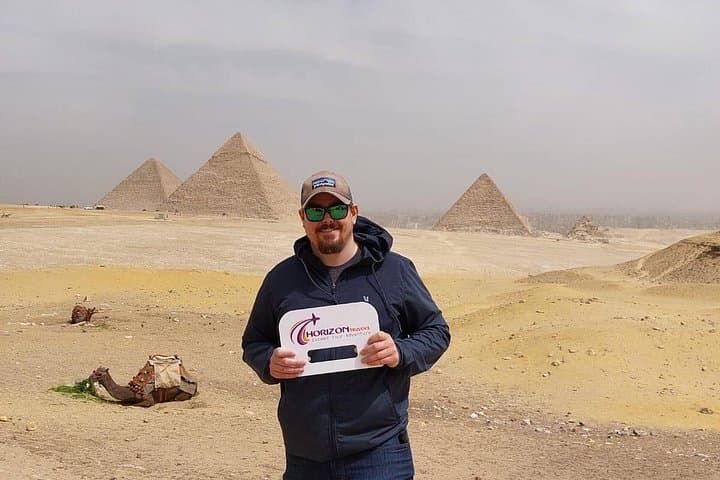
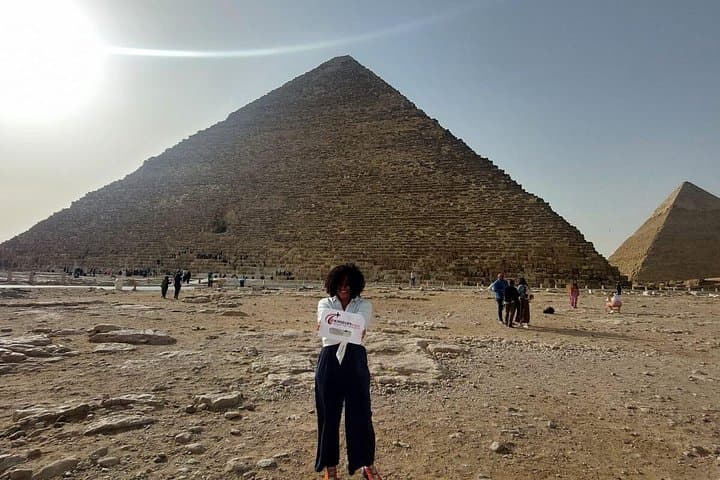
The morning light cuts across the Giza Plateau in clean, hard angles: the Great Pyramid’s silhouette a low, geometric mountain against the pale desert and distant Cairo skyline. An expert guide meets you as the air-conditioner clicks off, and the first steps onto packed sand bring the desert’s dry warmth and the faint grit of ancient stone underfoot.
Verified experiences and guided adventures in the surrounding area.
Operated by HorizonTravel · Giza, Giza Governorate
The morning light cuts across the Giza Plateau in clean, hard angles: the Great Pyramid’s silhouette a low, geometric mountain against the pale desert and distant Cairo skyline. An expert guide meets you as the air-conditioner clicks off, and the first steps onto packed sand bring the desert’s dry warmth and the faint grit of ancient stone underfoot.
These monuments—built during Egypt’s Fourth Dynasty more than 4,500 years ago—sit on a raised bedrock of limestone and marl. The Great Pyramid of Khufu once wore polished Tura limestone that flashed in sunlight; now its core blocks reveal millennia of weathering and human history. Nearby, the Valley Temple’s dressed granite and limestone speak to funerary rites and the logistical genius behind royal burials, while the Sphinx watches east toward the sunrise with a face long discussed by scholars and visitors alike.
Expect a focused, four-hour private itinerary that moves between panoramic viewpoints, the pyramids’ exteriors, the Valley Temple, and the Sphinx, with time to photograph and ask detailed questions. Your tour typically includes a private guide, an air-conditioned vehicle, and bottled water—useful in the plateau’s relentless sun.
Practical notes: start early to avoid peak heat and crowds, wear sturdy closed shoes for uneven stone and grooved paths, and dress modestly out of respect for local culture. Climbing the pyramids is prohibited and actively discouraged—observe from marked areas. Bring a camera, comfortable layers for the cooler desert morning, and small local currency for tips and entrance fees if not prepaid.
easy.
4 hours.
Suitable for most fitness levels; requires walking on uneven stone and sandy surfaces for several short blocks
Some private tours include basic entrance fees but interior access (entering Khufu or other pyramid chambers) is often a separate, limited-ticket option—confirm with your operator before booking.
Photography is generally allowed in external areas; tripods may be restricted and inside-chamber photography can be limited—follow your guide’s instructions and posted rules.
Yes—this itinerary is classified as physically easy; infants may need to sit on laps in transport and the guide can adjust pacing for families.
No—climbing pyramids is prohibited and touching fragile stone is discouraged to protect the monuments and for visitor safety.
The pyramids were built during Egypt’s Old Kingdom (around 2600–2500 BCE) as monumental royal tomb complexes; the Great Pyramid of Khufu remained the world’s tallest man-made structure for millennia.
The Giza Plateau faces pressures from tourism, urban encroachment, and pollution—visitors can help by staying on paths, not touching fragile masonry, and avoiding single-use plastics.
HorizonTravel operates guided outdoor trips and adventures with an emphasis on safety, stewardship, and memorable experiences.
The morning light cuts across the Giza Plateau in clean, hard angles: the Great Pyramid’s silhouette a low, geometric mountain against the pale desert and distant Cairo skyline. An expert guide meets you as the air-conditioner clicks off, and the first steps onto packed sand bring the desert’s dry warmth and the faint grit of ancient stone underfoot.
The morning light cuts across the Giza Plateau in clean, hard angles: the Great Pyramid’s silhouette a low, geometric mountain against the pale desert and distant Cairo skyline. An expert guide meets you as the air-conditioner clicks off, and the first steps onto packed sand bring the desert’s dry warmth and the faint grit of ancient stone underfoot.
These monuments—built during Egypt’s Fourth Dynasty more than 4,500 years ago—sit on a raised bedrock of limestone and marl. The Great Pyramid of Khufu once wore polished Tura limestone that flashed in sunlight; now its core blocks reveal millennia of weathering and human history. Nearby, the Valley Temple’s dressed granite and limestone speak to funerary rites and the logistical genius behind royal burials, while the Sphinx watches east toward the sunrise with a face long discussed by scholars and visitors alike.
Expect a focused, four-hour private itinerary that moves between panoramic viewpoints, the pyramids’ exteriors, the Valley Temple, and the Sphinx, with time to photograph and ask detailed questions. Your tour typically includes a private guide, an air-conditioned vehicle, and bottled water—useful in the plateau’s relentless sun.
Practical notes: start early to avoid peak heat and crowds, wear sturdy closed shoes for uneven stone and grooved paths, and dress modestly out of respect for local culture. Climbing the pyramids is prohibited and actively discouraged—observe from marked areas. Bring a camera, comfortable layers for the cooler desert morning, and small local currency for tips and entrance fees if not prepaid.