THE ADVENTURE COLLECTIVE® · Independent discovery and booking for outdoor travel

Escape Paris for a private day to Claude Monet’s Giverny — a short drive to the painter’s home and gardens where water lilies, a Japanese bridge, and flowering borders reveal the settings behind his most famous works. Hotel pickup and entrance are included for a streamlined visit.
Escape Paris for a private day to Claude Monet’s Giverny — a short drive to the painter’s home and gardens where water lilies, a Japanese bridge, and flowering borders reveal the settings behind his most famous works. Hotel pickup and entrance are included for a streamlined visit.
You step out of the private car as the road eases and the village breathes a quieter air than Paris. A ribbon of cobbles leads toward a low, pale-blue house; beyond it, gardens unfold in ordered chaos — paths edged with roses, a Japanese bridge arcing over a green-still pond thick with water lilies that once anchored an artist’s palette.
Verified experiences and guided adventures in the surrounding area.
Operated by Tour Passion · Giverny, Eure
You step out of the private car as the road eases and the village breathes a quieter air than Paris. A ribbon of cobbles leads toward a low, pale-blue house; beyond it, gardens unfold in ordered chaos — paths edged with roses, a Japanese bridge arcing over a green-still pond thick with water lilies that once anchored an artist’s palette.
Giverny became Claude Monet’s canvas and laboratory: in 1883 he bought the property and shaped the grounds that appear in many later Impressionist masterpieces. The soils here are alluvial terrace formed by the Seine’s floodplain, offering damp, nutrient-rich beds for the garden’s moisture-loving species. The village bears traces of rural Normandy life — small farms, timber-frame facades, and a local rhythm that informed Monet’s late, color-driven work.
Expect about six hours total from hotel pickup in Paris: a short Eiffel Tower photo stop, roughly two hours in the house and gardens with an audio guide, and drive time. Paths in the gardens are compacted gravel and flagstone; there are steps in the house and narrow rooms. Visit between late spring and early autumn for peak blooms, especially the water-lily displays that dominate Monet’s late paintings.
Practical notes: wear sturdy, comfortable shoes and bring a refillable water bottle and sun protection. Insects can be present near the pond in warm months, so pack repellent. Hotel pickup in central Paris saves time but confirm exact pickup details ahead of the morning departure. The entrance ticket is included, but lines can form — early start reduces crowds and improves light for photography.
easy.
6 hours.
Light activity: able to walk 1–2 miles on uneven garden paths and climb a few steps inside the house
Yes — the visit to Monet’s House and Gardens with an audio guide is included in the tour price.
Pickup is from your Paris hotel or a central agreed meeting point — you will confirm the exact time and location when you book.
The gardens have uneven gravel paths and the house has narrow rooms and steps; some outdoor areas are accessible but full access is limited — contact the operator if you need specific accommodations.
Late spring through early autumn (May–September) shows the garden at its most floriferous; water-lilies typically appear from late spring into early fall.
Monet purchased the property in 1883 and spent four decades developing the gardens and water feature that appear in his late works; Giverny later became a pilgrimage site for Impressionist enthusiasts.
The Fondation Claude Monet manages the gardens with seasonal restoration and careful plant sourcing to preserve the historic layout while minimizing chemical inputs and water waste.
Tour Passion operates guided outdoor trips and adventures with an emphasis on safety, stewardship, and memorable experiences.
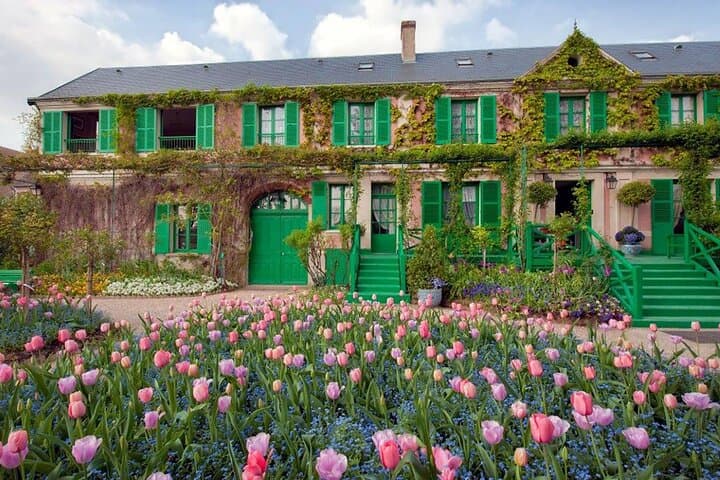
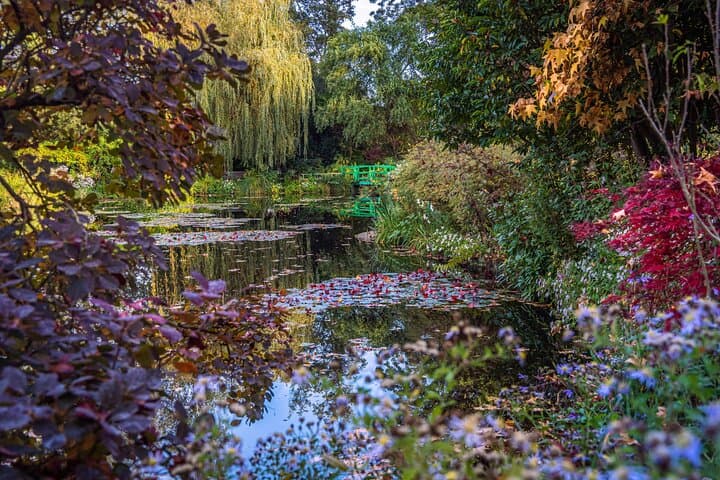
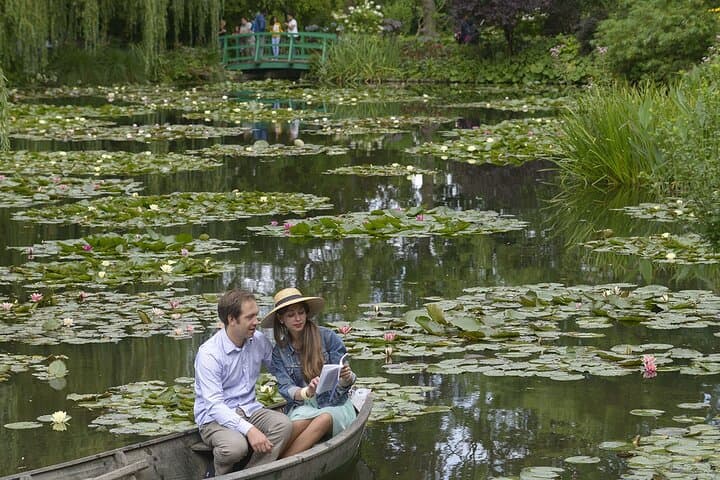
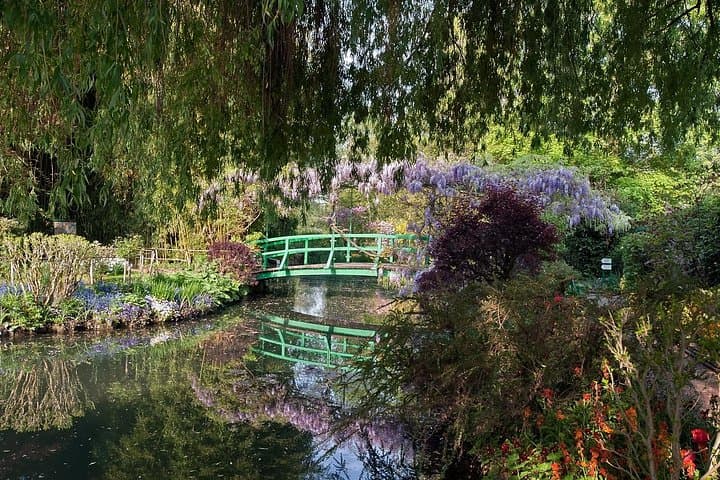
You step out of the private car as the road eases and the village breathes a quieter air than Paris. A ribbon of cobbles leads toward a low, pale-blue house; beyond it, gardens unfold in ordered chaos — paths edged with roses, a Japanese bridge arcing over a green-still pond thick with water lilies that once anchored an artist’s palette.
You step out of the private car as the road eases and the village breathes a quieter air than Paris. A ribbon of cobbles leads toward a low, pale-blue house; beyond it, gardens unfold in ordered chaos — paths edged with roses, a Japanese bridge arcing over a green-still pond thick with water lilies that once anchored an artist’s palette.
Giverny became Claude Monet’s canvas and laboratory: in 1883 he bought the property and shaped the grounds that appear in many later Impressionist masterpieces. The soils here are alluvial terrace formed by the Seine’s floodplain, offering damp, nutrient-rich beds for the garden’s moisture-loving species. The village bears traces of rural Normandy life — small farms, timber-frame facades, and a local rhythm that informed Monet’s late, color-driven work.
Expect about six hours total from hotel pickup in Paris: a short Eiffel Tower photo stop, roughly two hours in the house and gardens with an audio guide, and drive time. Paths in the gardens are compacted gravel and flagstone; there are steps in the house and narrow rooms. Visit between late spring and early autumn for peak blooms, especially the water-lily displays that dominate Monet’s late paintings.
Practical notes: wear sturdy, comfortable shoes and bring a refillable water bottle and sun protection. Insects can be present near the pond in warm months, so pack repellent. Hotel pickup in central Paris saves time but confirm exact pickup details ahead of the morning departure. The entrance ticket is included, but lines can form — early start reduces crowds and improves light for photography.