THE ADVENTURE COLLECTIVE® · Independent discovery and booking for outdoor travel

Walk Fifth Avenue from Grand Army Plaza to the Carnegie Mansion with an expert guide and hear the stories of robber barons, philanthropists and the mansions they built. This two-hour private tour maps New York’s Gilded Age in architecture and social history.
Walk Fifth Avenue from Grand Army Plaza to the Carnegie Mansion with an expert guide and hear the stories of robber barons, philanthropists and the mansions they built. This two-hour private tour maps New York’s Gilded Age in architecture and social history.
You step off the south side of the General William Tecumseh Sherman Monument and the city immediately changes its rhythm: Fifth Avenue’s wide sidewalks, iron-laced stoops and limestone facades put a polite distance between the street’s hum and the carved, guarded entries of the old money era.
Verified experiences and guided adventures in the surrounding area.
Operated by New York Historical Tours · New York, NY
You step off the south side of the General William Tecumseh Sherman Monument and the city immediately changes its rhythm: Fifth Avenue’s wide sidewalks, iron-laced stoops and limestone facades put a polite distance between the street’s hum and the carved, guarded entries of the old money era.
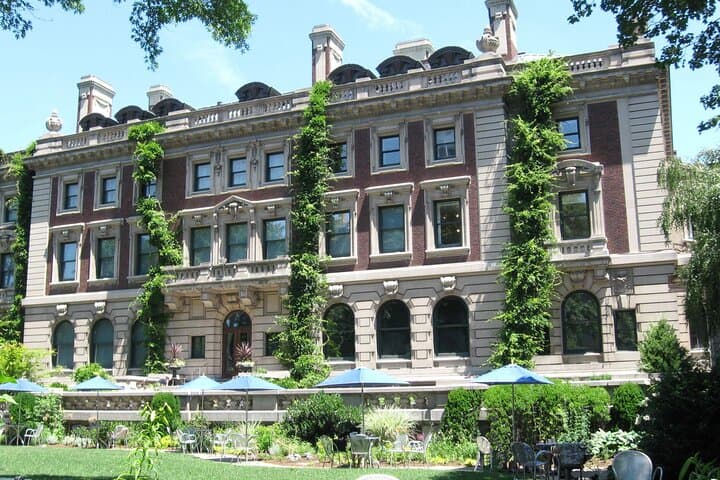
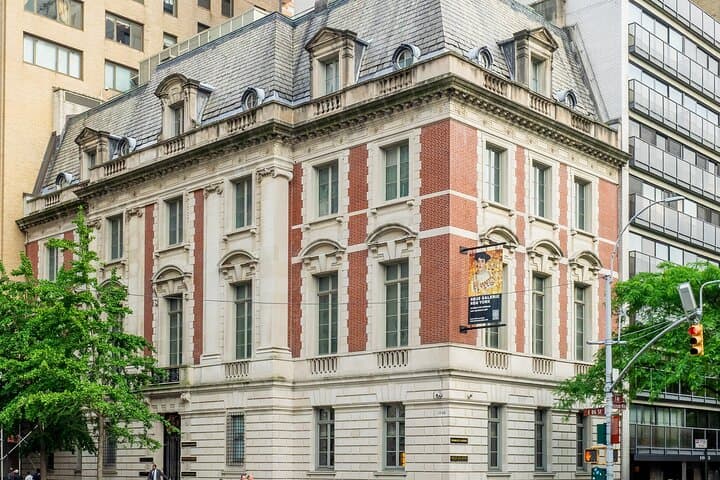
This two-hour private walking tour follows Millionaire’s Row northward—roughly 1.6 miles from Grand Army Plaza toward the Carnegie Mansion—tracing the fortunes made during America’s industrial boom. Expect talk of robber barons and self-made magnates, the architectural fashions they commissioned (Beaux-Arts, Renaissance Revival) and the civic institutions their philanthropy built: small palaces that became museums and private clubs that still keep selective doors closed.
Geology here is urban substrate: bedrock and landfill shaped the grid and allowed the tall, load-bearing masonry of late-19th-century mansions. Culturally, Fifth Avenue mapped social status as clearly as property lines; the avenue’s addresses were social currency.
Practical guidance: the route is flat, paved city sidewalk with minimal elevation change and frequent crosswalks—suitable for most fitness levels and wheelchair accessible. Wear comfortable walking shoes, bring a refillable water bottle, and plan mornings for softer light and fewer crowds. Allow time for pauses at façades and museum exteriors; admission is not included but guides often point out the best spots to return for visits. Public transit access is excellent (N/R, 4/5/6 nearby). Listen for the guide's details on architecture and family rivalries—those stories turn stone and lintel into characters.
easy.
2 hours.
Suitable for most adults who can walk 1.5–2 miles on paved surfaces; minimal elevation change.
The tour runs about two hours and covers approximately 1.6 miles along Fifth Avenue, from Grand Army Plaza toward the Carnegie Mansion/Cooper Hewitt area.
Yes—this private tour notes wheelchair accessibility with paved sidewalks and curb cuts along the route; contact the operator for specific accessibility needs.
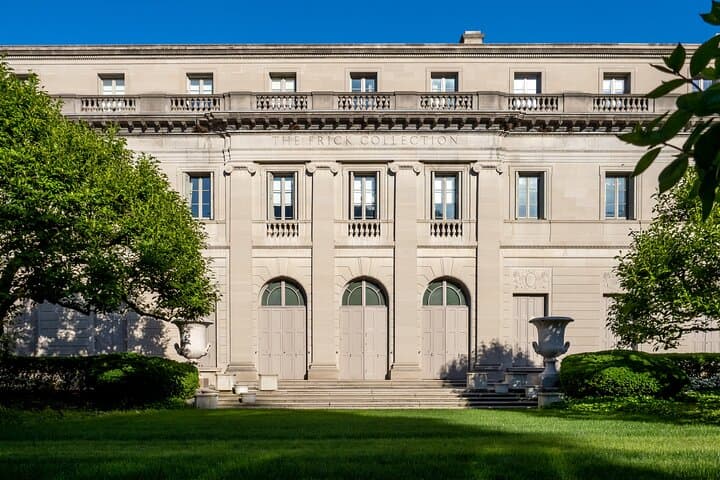
No—admissions are not included. The guide points out highlights and suggests where to return for full visits (The Frick, The Met, Cooper Hewitt).
Morning departures typically mean softer light for photos and fewer pedestrians; late afternoons can be busier and louder with traffic.
Fifth Avenue became known as Millionaire’s Row during the late 19th century as industrial fortunes were converted into urban mansions and cultural endowments.
Many of the mansions now serve as museums or preserved houses; visitors help preservation efforts by following site rules, staying on sidewalks and minimizing noise and litter.
New York Historical Tours operates guided outdoor trips and adventures with an emphasis on safety, stewardship, and memorable experiences.
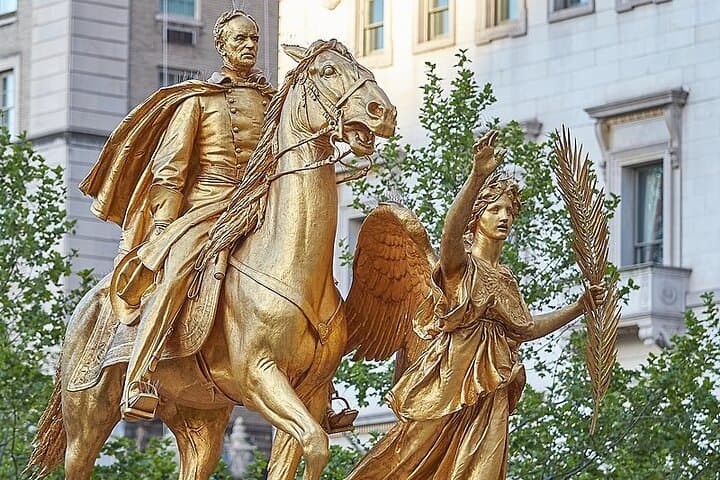
You step off the south side of the General William Tecumseh Sherman Monument and the city immediately changes its rhythm: Fifth Avenue’s wide sidewalks, iron-laced stoops and limestone facades put a polite distance between the street’s hum and the carved, guarded entries of the old money era.
You step off the south side of the General William Tecumseh Sherman Monument and the city immediately changes its rhythm: Fifth Avenue’s wide sidewalks, iron-laced stoops and limestone facades put a polite distance between the street’s hum and the carved, guarded entries of the old money era.
This two-hour private walking tour follows Millionaire’s Row northward—roughly 1.6 miles from Grand Army Plaza toward the Carnegie Mansion—tracing the fortunes made during America’s industrial boom. Expect talk of robber barons and self-made magnates, the architectural fashions they commissioned (Beaux-Arts, Renaissance Revival) and the civic institutions their philanthropy built: small palaces that became museums and private clubs that still keep selective doors closed.
Geology here is urban substrate: bedrock and landfill shaped the grid and allowed the tall, load-bearing masonry of late-19th-century mansions. Culturally, Fifth Avenue mapped social status as clearly as property lines; the avenue’s addresses were social currency.
Practical guidance: the route is flat, paved city sidewalk with minimal elevation change and frequent crosswalks—suitable for most fitness levels and wheelchair accessible. Wear comfortable walking shoes, bring a refillable water bottle, and plan mornings for softer light and fewer crowds. Allow time for pauses at façades and museum exteriors; admission is not included but guides often point out the best spots to return for visits. Public transit access is excellent (N/R, 4/5/6 nearby). Listen for the guide's details on architecture and family rivalries—those stories turn stone and lintel into characters.