THE ADVENTURE COLLECTIVE® · Independent discovery and booking for outdoor travel

Walk the French Quarter by night with a historian-guide who ties reported hauntings to documented pasts. This private 2–3 hour tour prioritizes small groups, archival detail, and the lived histories behind the city’s most chilling stories.
Walk the French Quarter by night with a historian-guide who ties reported hauntings to documented pasts. This private 2–3 hour tour prioritizes small groups, archival detail, and the lived histories behind the city’s most chilling stories.
The lamps along Decatur sputter as a humid breeze off the Mississippi pushes through the French Quarter, and the guide’s voice drops a tone as your small group leans in. You meet at 1241 Decatur Street, a coffeehouse doorway that serves as a hinge between the ordinary and the old city’s darker stories. From here, the tour threads through narrow brick streets, past the soaring façade of St. Louis Cathedral and into alleys where gaslight makes the plaster walls look like faces.
Verified experiences and guided adventures in the surrounding area.
Operated by TOURS by STEVEN · New Orleans, Louisiana
The lamps along Decatur sputter as a humid breeze off the Mississippi pushes through the French Quarter, and the guide’s voice drops a tone as your small group leans in. You meet at 1241 Decatur Street, a coffeehouse doorway that serves as a hinge between the ordinary and the old city’s darker stories. From here, the tour threads through narrow brick streets, past the soaring façade of St. Louis Cathedral and into alleys where gaslight makes the plaster walls look like faces.
This walk isn’t spectacle; it’s history with a shadowed edge. The French Quarter is older than the nation, built on a floodplain held aloft by levees and the grit of generations. That geology—silted soil, shortcuts to the river, basements that fill when the Mississippi rises—feeds the city’s myths: bodies moved by water, memories lodged beneath wooden floors. Colonial France and Spain, the transatlantic slave trade, and antebellum New Orleans all left marks on the Quarter’s streets and on the stories you’ll hear.
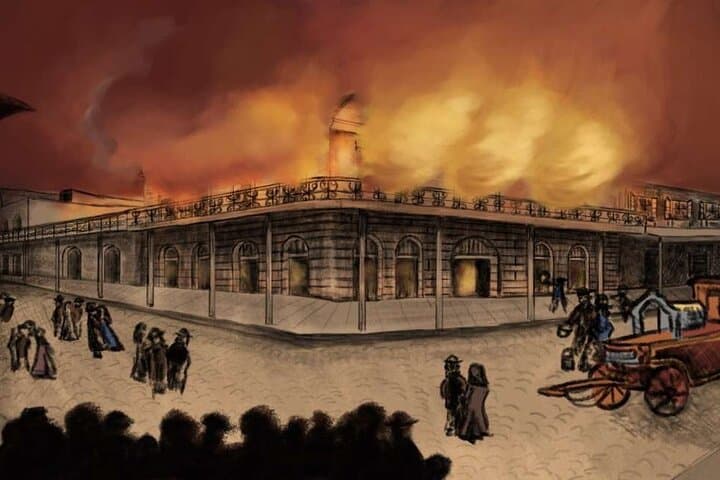
Expect specific stops: Jackson Square and the Cabildo shore up civic lore, while the Lalaurie house on Royal Street brings the tour’s darkest legacy into focus—an enduring story about cruelty, race, and the architecture of secrecy. The Old U.S. Mint and an old open-air market appear in narrative snapshots, each framed by the guide’s research and period detail. The Caquette Girls’ convent and accounts of haunted taverns anchor the experience in lived places rather than theatrical frights.
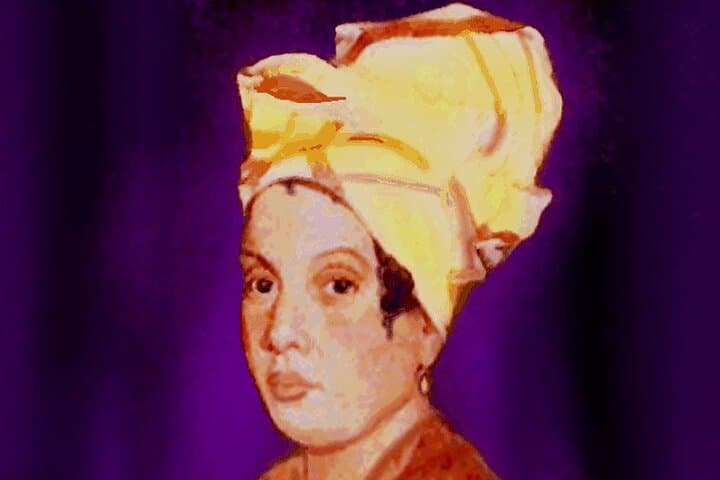
Culturally, the city’s voice is layered. Creole language, Catholic rituals, and West African spiritual practices—sometimes labeled and sensationalized as “voodoo”—inform how locals remember the past. A responsible guide will point to primary sources and property records as much as to folklore, letting you weigh evidence alongside atmosphere.
Practical guidance: the private format runs roughly 2–3 hours and moves at an easy but steady walking pace on uneven sidewalks and cobblestones. Bring a refillable water bottle, wear supportive shoes, and carry a compact flashlight or phone light for alleys. The tour is wheelchair-accessible in parts, but some sections involve cobbled streets and slight grades; ask ahead if mobility is a concern.
Book the private option for clearer listening and fewer interruptions—this is a small-group conversation about hard history as much as it is about scares. Respect the neighborhoods you pass: these are homes, businesses, and active places of worship. Tip your guide if their storytelling brings the past into clearer light; they’re the bridge between archival facts and the Quarter’s lingering voices.
moderate.
2–3 hours.
Light to moderate fitness—able to stand and walk on uneven surfaces for up to three hours
The private ghost walk runs approximately 2–3 hours depending on group pace and how many stops you make.
Not recommended for pregnant travelers and content may be disturbing for young children; check with the operator about age-appropriate participation.
Parts of the route are wheelchair accessible, but some cobblestone streets and narrow passages may be difficult—contact the operator to confirm accessibility details.
Most stops are exterior; you may have the option to enter a historic bar if time and capacity allow, but admission inside private sites is not guaranteed.
The listed experience is conducted in English; inquire directly if you need translation or an alternate-language guide.
Full refund available if canceled at least 24 hours before departure; tours can be canceled for bad weather with a refund according to the operator’s policy.
The French Quarter dates to the early 1700s; its streets reflect French and Spanish colonial periods, a complex slave economy, and layered Creole culture.
The Quarter is a living neighborhood—minimize noise, stay on public paths, and support local businesses; preservation efforts balance tourism and residents’ quality of life.
TOURS by STEVEN operates guided outdoor trips and adventures with an emphasis on safety, stewardship, and memorable experiences.
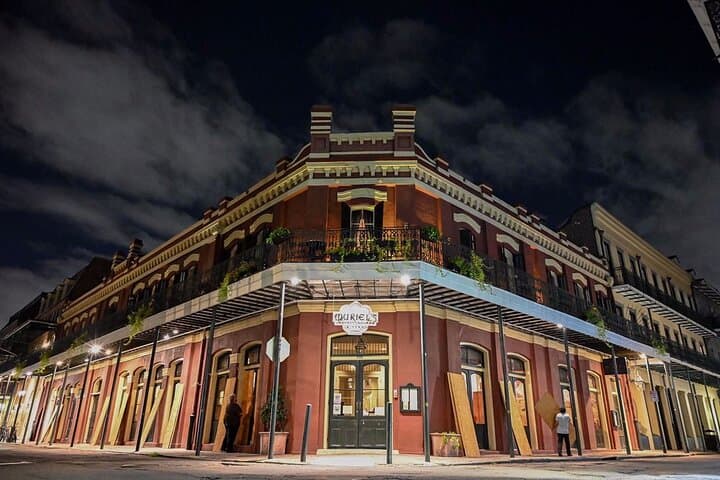
The lamps along Decatur sputter as a humid breeze off the Mississippi pushes through the French Quarter, and the guide’s voice drops a tone as your small group leans in. You meet at 1241 Decatur Street, a coffeehouse doorway that serves as a hinge between the ordinary and the old city’s darker stories. From here, the tour threads through narrow brick streets, past the soaring façade of St. Louis Cathedral and into alleys where gaslight makes the plaster walls look like faces.
The lamps along Decatur sputter as a humid breeze off the Mississippi pushes through the French Quarter, and the guide’s voice drops a tone as your small group leans in. You meet at 1241 Decatur Street, a coffeehouse doorway that serves as a hinge between the ordinary and the old city’s darker stories. From here, the tour threads through narrow brick streets, past the soaring façade of St. Louis Cathedral and into alleys where gaslight makes the plaster walls look like faces.
This walk isn’t spectacle; it’s history with a shadowed edge. The French Quarter is older than the nation, built on a floodplain held aloft by levees and the grit of generations. That geology—silted soil, shortcuts to the river, basements that fill when the Mississippi rises—feeds the city’s myths: bodies moved by water, memories lodged beneath wooden floors. Colonial France and Spain, the transatlantic slave trade, and antebellum New Orleans all left marks on the Quarter’s streets and on the stories you’ll hear.
Expect specific stops: Jackson Square and the Cabildo shore up civic lore, while the Lalaurie house on Royal Street brings the tour’s darkest legacy into focus—an enduring story about cruelty, race, and the architecture of secrecy. The Old U.S. Mint and an old open-air market appear in narrative snapshots, each framed by the guide’s research and period detail. The Caquette Girls’ convent and accounts of haunted taverns anchor the experience in lived places rather than theatrical frights.
Culturally, the city’s voice is layered. Creole language, Catholic rituals, and West African spiritual practices—sometimes labeled and sensationalized as “voodoo”—inform how locals remember the past. A responsible guide will point to primary sources and property records as much as to folklore, letting you weigh evidence alongside atmosphere.
Practical guidance: the private format runs roughly 2–3 hours and moves at an easy but steady walking pace on uneven sidewalks and cobblestones. Bring a refillable water bottle, wear supportive shoes, and carry a compact flashlight or phone light for alleys. The tour is wheelchair-accessible in parts, but some sections involve cobbled streets and slight grades; ask ahead if mobility is a concern.
Book the private option for clearer listening and fewer interruptions—this is a small-group conversation about hard history as much as it is about scares. Respect the neighborhoods you pass: these are homes, businesses, and active places of worship. Tip your guide if their storytelling brings the past into clearer light; they’re the bridge between archival facts and the Quarter’s lingering voices.