THE ADVENTURE COLLECTIVE® · Independent discovery and booking for outdoor travel

Ride through Rockies history with a private geologist who decodes the park’s ancient rocks, volcanic scars and glacial valleys. Ideal for curious travelers wanting a compact, interpretive experience that adds depth to future hikes.
Ride through Rockies history with a private geologist who decodes the park’s ancient rocks, volcanic scars and glacial valleys. Ideal for curious travelers wanting a compact, interpretive experience that adds depth to future hikes.
Stand at the passenger window while alpine light slices across layered cliffs and Ranger Rod narrates a story older than civilization. The tour begins at the Beaver Meadows Visitor Center with a hands-on 3D map that orients you to the park’s peaks, valleys and the fingerprints of plate tectonics. From there the vehicle moves through forests and up toward the high country, pausing at overlooks where you can read the landscape like a book — gneiss and schist exposed, jagged intrusive bodies, and smooth U-shaped valleys gouged by glaciers.
Verified experiences and guided adventures in the surrounding area.
Operated by Full Potential Wilderness · Estes Park, Colorado
Stand at the passenger window while alpine light slices across layered cliffs and Ranger Rod narrates a story older than civilization. The tour begins at the Beaver Meadows Visitor Center with a hands-on 3D map that orients you to the park’s peaks, valleys and the fingerprints of plate tectonics. From there the vehicle moves through forests and up toward the high country, pausing at overlooks where you can read the landscape like a book — gneiss and schist exposed, jagged intrusive bodies, and smooth U-shaped valleys gouged by glaciers.
Geology here spans deep time: ancient metamorphic cores thrust upward during mountain-building events, later intruded by molten rock, and finally polished and sculpted by Pleistocene ice. The tour weaves human history into that timeline — Indigenous presence after the last ice retreat and 19th-century pioneer routes — giving context to the rocks and the routes you’ll travel. Trail Ridge Road (open in summer) tops at alpine tundra and offers some of the park’s most instructive cross-sections.
Practically, expect a mobile, interpretive experience: much of the learning happens at overlooks and short stops rather than long hikes, and the guide provides digital photos and may arrange gear or timed-entry reservations when required. Bring layers for sudden temperature swings at elevation, sun protection, a refillable water bottle, and comfortable shoes for short walks at high altitudes. Whether you’re a casual visitor or a budding rockhound, the private format accelerates learning: ask to see minerals up close, practice identifying rock textures, and learn to read glacial traces that still shape drainage and habitat.
easy.
4–6 hours.
Suitable for most fitness levels; mobility for short walks required at stops
Yes—park entry is required; the tour may include timed-entry reservations when necessary, but confirm with the operator before arrival.
The tour is described as wheelchair accessible; discuss any specific mobility needs when booking so the guide can plan appropriate stops.
No—the tour is vehicle-based with brief interpretive stops and short walks; it’s designed for all fitness levels.
Trail Ridge Road is typically open in summer months once snow clears; winter closures are common, with lower-elevation routes used during colder seasons.
The park’s landscape holds evidence of Indigenous use after the last glaciation and later 19th-century pioneer travel corridors that paralleled natural routes.
Alpine tundra and glacial features are fragile—stay on designated roads and overlooks, pack out waste, and avoid collecting rocks or disturbing habitats.
Full Potential Wilderness operates guided outdoor trips and adventures with an emphasis on safety, stewardship, and memorable experiences.
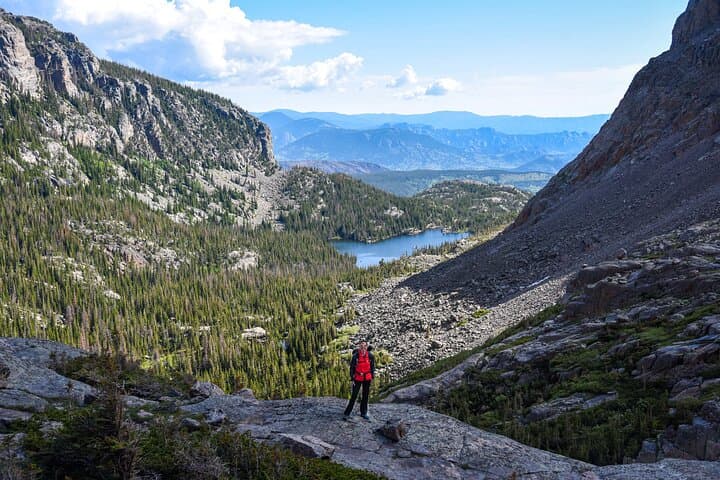
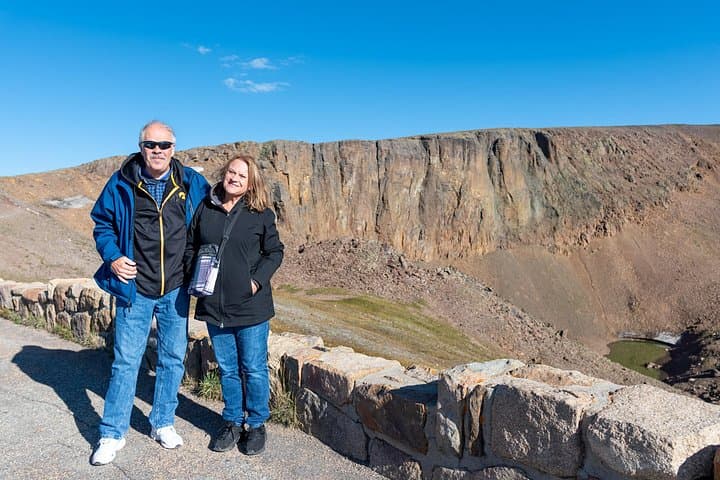
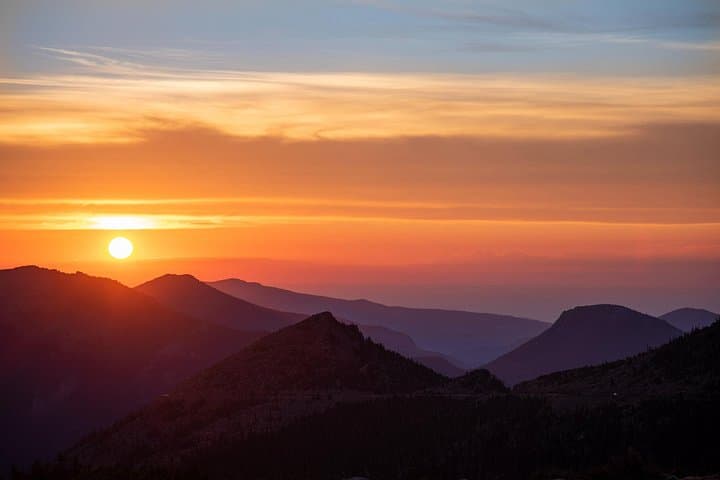
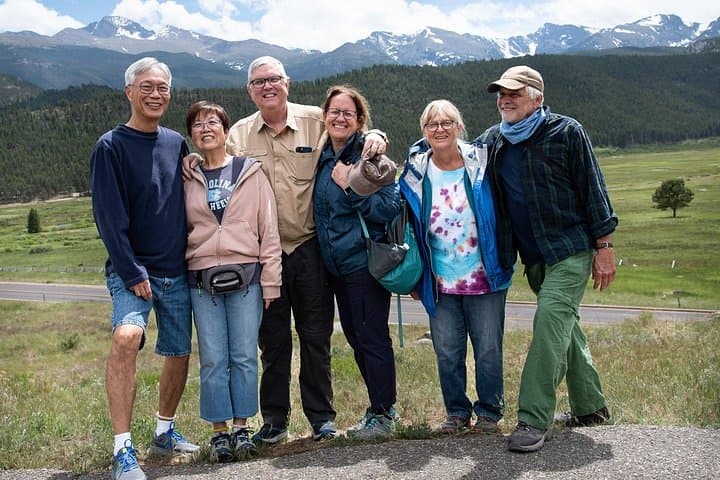
Stand at the passenger window while alpine light slices across layered cliffs and Ranger Rod narrates a story older than civilization. The tour begins at the Beaver Meadows Visitor Center with a hands-on 3D map that orients you to the park’s peaks, valleys and the fingerprints of plate tectonics. From there the vehicle moves through forests and up toward the high country, pausing at overlooks where you can read the landscape like a book — gneiss and schist exposed, jagged intrusive bodies, and smooth U-shaped valleys gouged by glaciers.
Stand at the passenger window while alpine light slices across layered cliffs and Ranger Rod narrates a story older than civilization. The tour begins at the Beaver Meadows Visitor Center with a hands-on 3D map that orients you to the park’s peaks, valleys and the fingerprints of plate tectonics. From there the vehicle moves through forests and up toward the high country, pausing at overlooks where you can read the landscape like a book — gneiss and schist exposed, jagged intrusive bodies, and smooth U-shaped valleys gouged by glaciers.
Geology here spans deep time: ancient metamorphic cores thrust upward during mountain-building events, later intruded by molten rock, and finally polished and sculpted by Pleistocene ice. The tour weaves human history into that timeline — Indigenous presence after the last ice retreat and 19th-century pioneer routes — giving context to the rocks and the routes you’ll travel. Trail Ridge Road (open in summer) tops at alpine tundra and offers some of the park’s most instructive cross-sections.
Practically, expect a mobile, interpretive experience: much of the learning happens at overlooks and short stops rather than long hikes, and the guide provides digital photos and may arrange gear or timed-entry reservations when required. Bring layers for sudden temperature swings at elevation, sun protection, a refillable water bottle, and comfortable shoes for short walks at high altitudes. Whether you’re a casual visitor or a budding rockhound, the private format accelerates learning: ask to see minerals up close, practice identifying rock textures, and learn to read glacial traces that still shape drainage and habitat.