THE ADVENTURE COLLECTIVE® · Independent discovery and booking for outdoor travel

Step into Kagurazaka for a private geisha banquet: three geisha, shamisen music, traditional games, and a multi-course dinner at a historic Shinjuku restaurant. Learn what to expect, how to behave respectfully, and practical tips for making the evening seamless.
Step into Kagurazaka for a private geisha banquet: three geisha, shamisen music, traditional games, and a multi-course dinner at a historic Shinjuku restaurant. Learn what to expect, how to behave respectfully, and practical tips for making the evening seamless.
The room opens with the hush of tatami and paper screens; low lantern light pools on lacquered trays as three geisha move into place. Their kimono sleeves whisper against the floor, shamisen strings pluck a brittle counterpoint, and the air tightens around the cadence of song and step.
Verified experiences and guided adventures in the surrounding area.
Operated by 外国人向け体験ツアー · Kagurazaka (Shinjuku), Tokyo
The room opens with the hush of tatami and paper screens; low lantern light pools on lacquered trays as three geisha move into place. Their kimono sleeves whisper against the floor, shamisen strings pluck a brittle counterpoint, and the air tightens around the cadence of song and step.
This private banquet takes place in Kagurazaka, a historic geisha quarter in Tokyo’s Shinjuku ward. Once a corridor of teahouses serving Edo-era travelers, Kagurazaka still retains narrow alleys, traditional eateries, and shrines that frame the performance. Shimakin, the listed venue, traces its doors back to 1869 and is known locally for eel and classic Japanese courses; the tour pairs a multi-course dinner (sashimi included) with a one-hour private program of dance, shamisen, and ozashiki asobi — interactive parlor games unique to geisha entertainment.
Expect intimate seating, direct conversation with performers, and staged photo opportunities. Cultural context matters: geisha are professional artists with centuries of apprenticeship; their dances and instruments carry regional and historical references that reveal themselves in short vignettes during the evening. Children are welcome, and the venue is stroller-accessible, but guests should be mindful of quiet decorum.
Practical tips: book in advance and confirm dietary needs; arrive punctually for a two-hour reservation; remove shoes where indicated and wear clean socks; avoid flash photography and loud behavior. Public transit (Iidabashi/Kagurazaka area) places you within a 10–15 minute walk. For travelers seeking a concentrated, respectful encounter with traditional performing arts, this private geisha banquet offers a rare, guided window into living Japanese culture.
easy.
2 hours.
No special fitness required; suitable for all ages though seating may be low.
Yes — the listing notes families are welcome and the venue is stroller-accessible, but quieter children may be preferred to preserve the intimate atmosphere.
Dietary requests should be communicated at booking; the standard course includes sashimi and eel, so a substitute menu must be arranged in advance.
Photo opportunities are provided, but guests should wait for the host or geisha to indicate when photography is appropriate and avoid using flash.
The booking specifies all sales are final with no refunds, so confirm date and guest details carefully before purchase.
Kagurazaka evolved from Edo-period lanes serving travelers into a noted geisha district; Shimakin has operated since 1869 and retains traditional cuisine and banquet formats.
Respectful behavior and adherence to photography rules help sustain geisha traditions; support the living art by listening, asking permission, and avoiding disruptive behavior.
外国人向け体験ツアー operates guided outdoor trips and adventures with an emphasis on safety, stewardship, and memorable experiences.
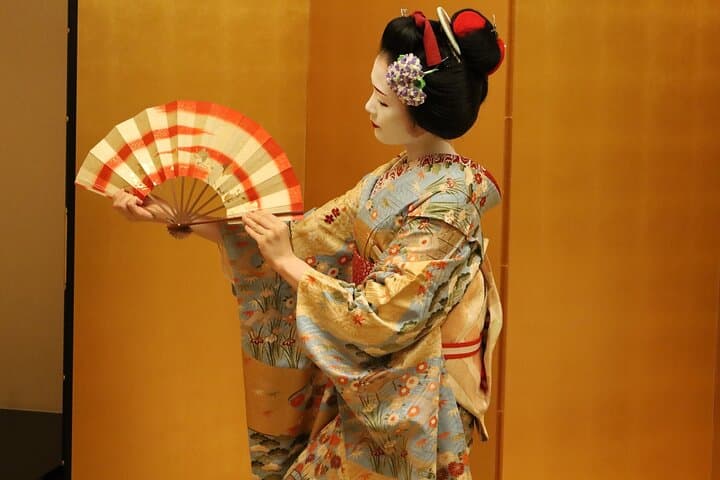
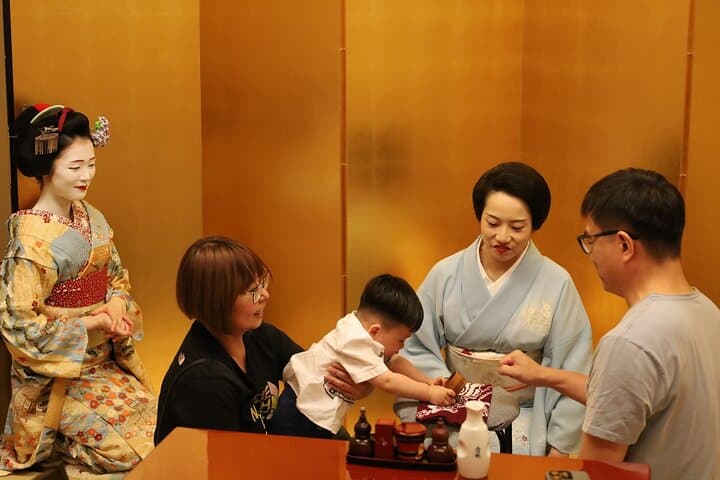
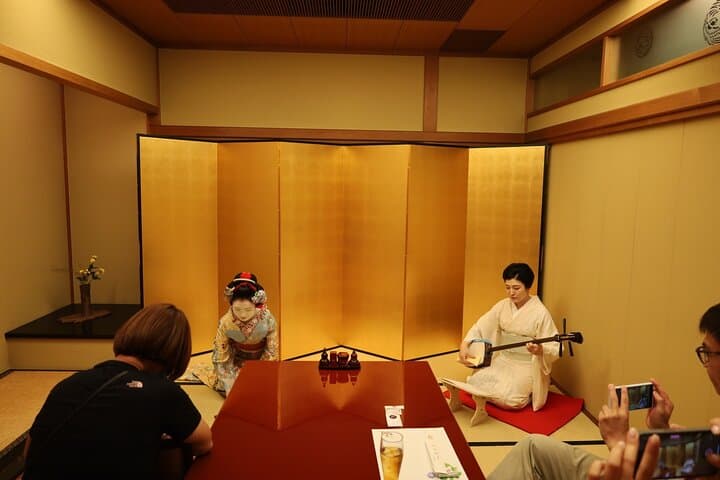
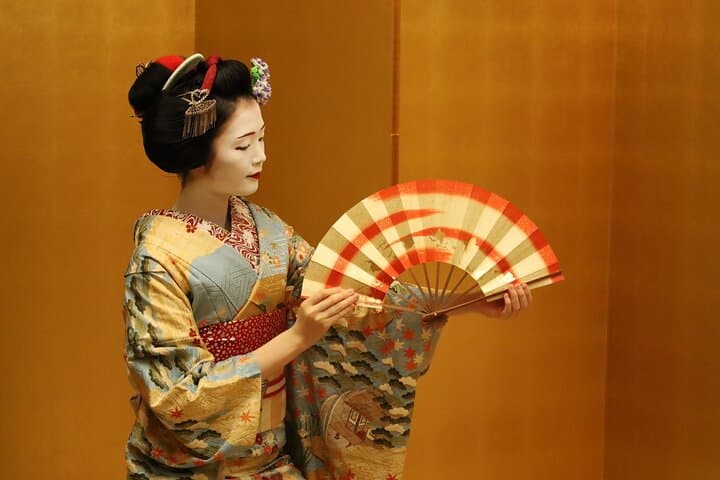
The room opens with the hush of tatami and paper screens; low lantern light pools on lacquered trays as three geisha move into place. Their kimono sleeves whisper against the floor, shamisen strings pluck a brittle counterpoint, and the air tightens around the cadence of song and step.
The room opens with the hush of tatami and paper screens; low lantern light pools on lacquered trays as three geisha move into place. Their kimono sleeves whisper against the floor, shamisen strings pluck a brittle counterpoint, and the air tightens around the cadence of song and step.
This private banquet takes place in Kagurazaka, a historic geisha quarter in Tokyo’s Shinjuku ward. Once a corridor of teahouses serving Edo-era travelers, Kagurazaka still retains narrow alleys, traditional eateries, and shrines that frame the performance. Shimakin, the listed venue, traces its doors back to 1869 and is known locally for eel and classic Japanese courses; the tour pairs a multi-course dinner (sashimi included) with a one-hour private program of dance, shamisen, and ozashiki asobi — interactive parlor games unique to geisha entertainment.
Expect intimate seating, direct conversation with performers, and staged photo opportunities. Cultural context matters: geisha are professional artists with centuries of apprenticeship; their dances and instruments carry regional and historical references that reveal themselves in short vignettes during the evening. Children are welcome, and the venue is stroller-accessible, but guests should be mindful of quiet decorum.
Practical tips: book in advance and confirm dietary needs; arrive punctually for a two-hour reservation; remove shoes where indicated and wear clean socks; avoid flash photography and loud behavior. Public transit (Iidabashi/Kagurazaka area) places you within a 10–15 minute walk. For travelers seeking a concentrated, respectful encounter with traditional performing arts, this private geisha banquet offers a rare, guided window into living Japanese culture.