THE ADVENTURE COLLECTIVE® · Independent discovery and booking for outdoor travel

Learn practical mushroom cooking, botanical infusions and the science behind plant‑based wellness in a private 90‑minute workshop on Georgia Avenue. This hands‑on session blends chocolate making, culinary technique and accessible mycology for beginners.
Learn practical mushroom cooking, botanical infusions and the science behind plant‑based wellness in a private 90‑minute workshop on Georgia Avenue. This hands‑on session blends chocolate making, culinary technique and accessible mycology for beginners.
Step through two large brown doors on Georgia Avenue and the city noise folds into an intimate studio filled with jars, drying racks and the sweet, nutty scent of chocolate and mushroom stock.
Verified experiences and guided adventures in the surrounding area.
Operated by The DC Apothecary · Washington, DC
Step through two large brown doors on Georgia Avenue and the city noise folds into an intimate studio filled with jars, drying racks and the sweet, nutty scent of chocolate and mushroom stock.
This ninety‑minute private workshop mixes hands‑on cooking with short lessons in plant and fungal science. In a small-group setting an instructor explains how common fungi and herbs influence mood, digestion and the microbiome, then moves into practical demonstrations—tempering chocolate, infusing botanicals, and simple mushroom cooking techniques you can repeat at home.
Washington, D.C. sits on the Atlantic Coastal Plain; its urban soils and city gardens have long supported informal foraging and a civic interest in edible landscapes. That grassroots culture meets contemporary wellness here: chefs, herbalists and mycologists in the region have shaped a local scene that values practical, evidence‑based uses of plants and fungi.
Expect a mix of explanation and application: short science notes on active compounds, tactile demos of substrate and spores, and guided chocolate‑making that highlights how plant fats and fungi interact on the palate. Snacks and basic podcast gear are provided; the private format makes it suitable for curious beginners and people wanting a focused introduction.
Practical tips: arrive by rideshare or public transit, share dietary restrictions ahead of time, and wear comfortable clothes you don’t mind smelling faintly of mushroom or chocolate. Bring a notebook and questions—this is as much about taking tools home as it is about tasting in the moment.
easy.
90 minutes.
Minimal physical exertion; suitable for most fitness levels as activity is classroom and kitchen‑based
Yes—content is designed for people new to mycology and plant‑based cooking, with hands‑on guidance and simple recipes.
Infants are allowed to sit on laps, but the session’s content and kitchen tools are best for older children; check with the host for family suitability.
Hosts request dietary needs at booking and will adapt snacks and chocolate ingredients where possible—notify them in advance.
No—this is an indoor educational and culinary workshop focused on cooking, wellness concepts and demonstrations, not wild foraging.
Washington’s civic gardens and community plots trace back to early 20th‑century neighborhood agriculture; today the city supports urban farming initiatives and botanical education programs.
Workshops encourage sustainable sourcing—use of cultivated mushrooms over wild‑harvested specimens is recommended and participants are urged to support local growers.
The DC Apothecary operates guided outdoor trips and adventures with an emphasis on safety, stewardship, and memorable experiences.
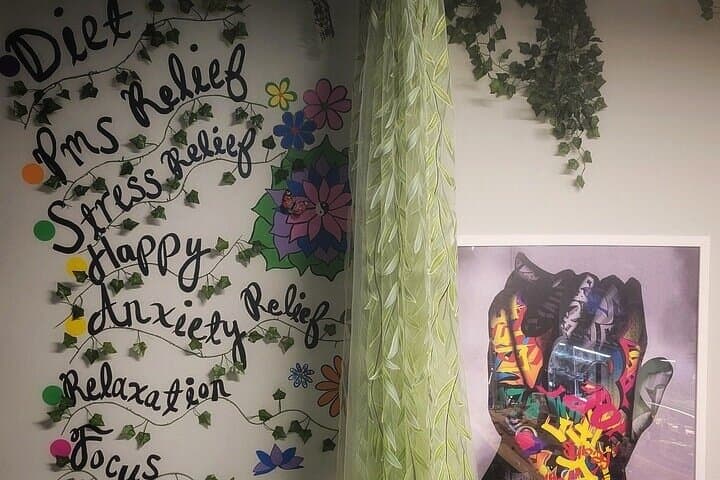
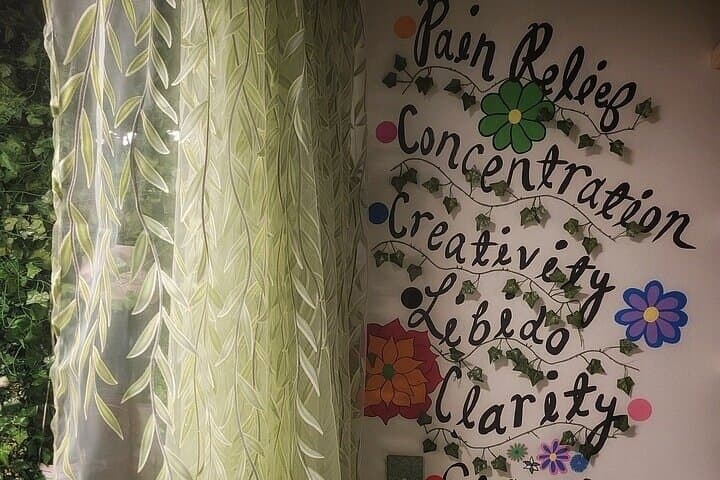
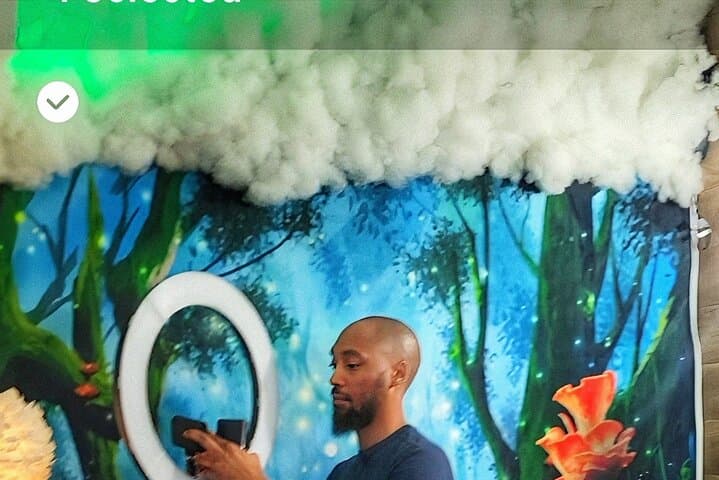
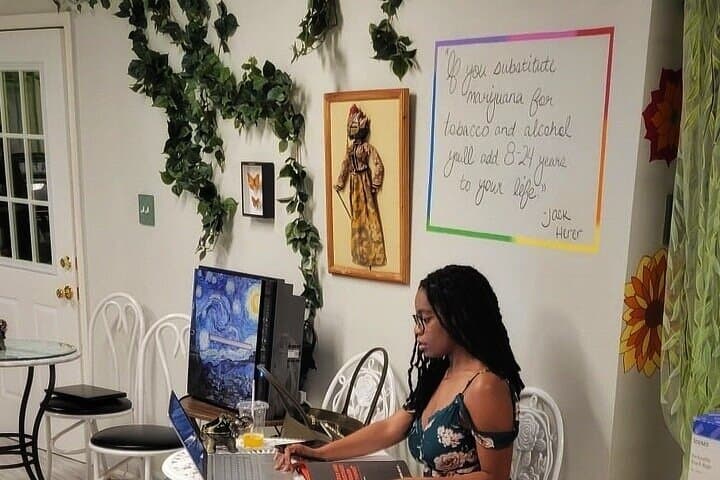
Step through two large brown doors on Georgia Avenue and the city noise folds into an intimate studio filled with jars, drying racks and the sweet, nutty scent of chocolate and mushroom stock.
Step through two large brown doors on Georgia Avenue and the city noise folds into an intimate studio filled with jars, drying racks and the sweet, nutty scent of chocolate and mushroom stock.
This ninety‑minute private workshop mixes hands‑on cooking with short lessons in plant and fungal science. In a small-group setting an instructor explains how common fungi and herbs influence mood, digestion and the microbiome, then moves into practical demonstrations—tempering chocolate, infusing botanicals, and simple mushroom cooking techniques you can repeat at home.
Washington, D.C. sits on the Atlantic Coastal Plain; its urban soils and city gardens have long supported informal foraging and a civic interest in edible landscapes. That grassroots culture meets contemporary wellness here: chefs, herbalists and mycologists in the region have shaped a local scene that values practical, evidence‑based uses of plants and fungi.
Expect a mix of explanation and application: short science notes on active compounds, tactile demos of substrate and spores, and guided chocolate‑making that highlights how plant fats and fungi interact on the palate. Snacks and basic podcast gear are provided; the private format makes it suitable for curious beginners and people wanting a focused introduction.
Practical tips: arrive by rideshare or public transit, share dietary restrictions ahead of time, and wear comfortable clothes you don’t mind smelling faintly of mushroom or chocolate. Bring a notebook and questions—this is as much about taking tools home as it is about tasting in the moment.