THE ADVENTURE COLLECTIVE® · Independent discovery and booking for outdoor travel

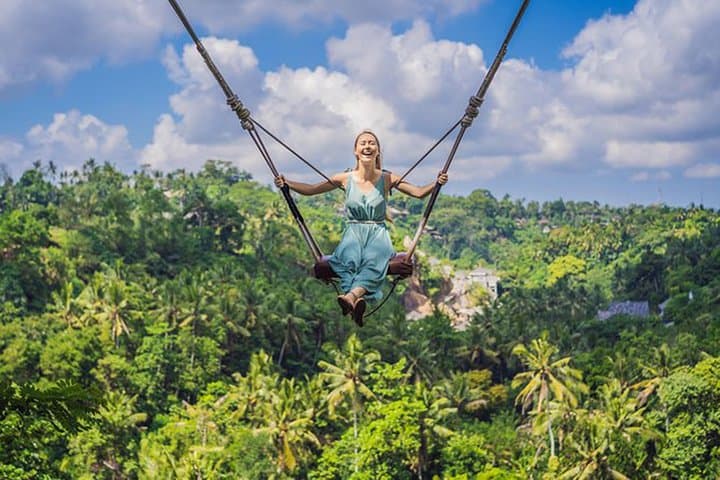
Experience a private, full‑day exploration of Ubud’s highlights: Tegallalang rice terraces, Tegenungan waterfall, the Sacred Monkey Forest, and the bustling Ubud Art Market. This guided route blends culture, geology, and hands‑on local life across an easy but active day.
Experience a private, full‑day exploration of Ubud’s highlights: Tegallalang rice terraces, Tegenungan waterfall, the Sacred Monkey Forest, and the bustling Ubud Art Market. This guided route blends culture, geology, and hands‑on local life across an easy but active day.
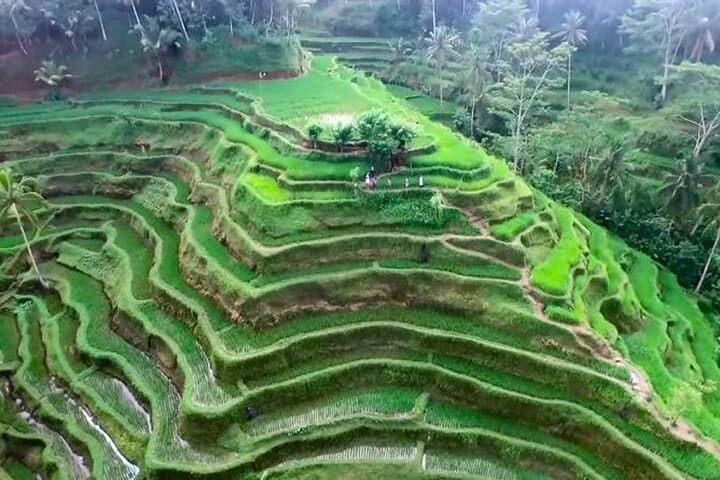
You step out of an air-conditioned car into a humid Balinese morning and the road opens into rice terraces that seem to tilt toward the horizon. The guide parks near a high roadside outlook at Tegallalang and you feel the slope of the valley underfoot, green steps cut by the subak irrigation channels that still move water the way farmers have for centuries.
Verified experiences and guided adventures in the surrounding area.
Operated by Candidasa Taxi · Ubud, Bali
You step out of an air-conditioned car into a humid Balinese morning and the road opens into rice terraces that seem to tilt toward the horizon. The guide parks near a high roadside outlook at Tegallalang and you feel the slope of the valley underfoot, green steps cut by the subak irrigation channels that still move water the way farmers have for centuries.
Ubud grew from a royal court and healer community into Bali’s cultural hub; the rice terraces here are physical evidence of the island’s cooperative water management and centuries-old agrarian life. Geology is discreet but present — volcanic soils give the paddies their fertility, and black basalt shapes the cliffs at Tegenungan, where a 20‑meter curtain of water foams into a shady pool below.
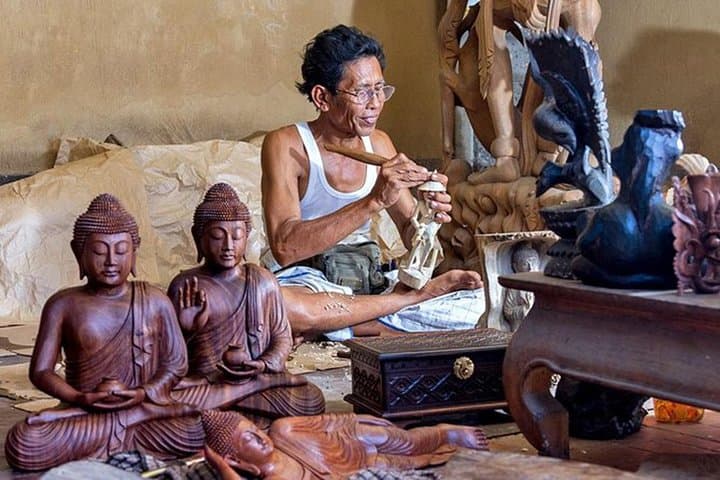
Culture is tactile on this route: artisans at the Ubud Art Market sell woven crafts and batik, dancers practice in temple courtyards, and the Sacred Monkey Forest blends temple architecture with a wild troop of long‑tailed macaques that move like local residents, bold and unapologetic.
Practical guidance: expect 8–9 hours of private touring with multiple short walks, uneven steps at terraces and waterfall access points, and crowded sidewalks at the market and palace. Wear grippy shoes for slick stone at Tegenungan and modest clothing for temple visits (a sarong is often required). Carry water, insect repellent, and small cash for market bargaining. If visiting in the wet season, allow extra time for traffic and muddy paths. Above all, don’t feed the monkeys and respect temple rituals — the area’s culture and ecology depend on visitor restraint as much as curiosity.
easy.
8–9 hours.
Suitable for most fitness levels; expect multiple short walks, some stairs and uneven terrain—basic mobility required.
Most sites require separate admission (Monkey Forest, Tegenungan); check your booking details—this private tour often excludes attraction fees so plan to pay on-site.
Yes—pick up and drop off at a specified point in Ubud or nearby is typically included; confirm your exact pickup location when booking.
Yes—the itinerary is labeled suitable for all fitness levels; however, parents should monitor children around wildlife and steep terrain.
Early morning or late afternoon is cooler and less crowded at Tegallalang and the Monkey Forest; mid-day can be hot and busy at the market.
Ubud developed around royal courts and traditional healers; the subak irrigation system seen at Tegallalang reflects centuries-old cooperative agriculture in Balinese culture.
Tourism pressure affects temples, waterways and wildlife—avoid feeding animals, stick to paths in rice terraces, and support local artisans to keep cultural practices viable.
Candidasa Taxi operates guided outdoor trips and adventures with an emphasis on safety, stewardship, and memorable experiences.

You step out of an air-conditioned car into a humid Balinese morning and the road opens into rice terraces that seem to tilt toward the horizon. The guide parks near a high roadside outlook at Tegallalang and you feel the slope of the valley underfoot, green steps cut by the subak irrigation channels that still move water the way farmers have for centuries.
You step out of an air-conditioned car into a humid Balinese morning and the road opens into rice terraces that seem to tilt toward the horizon. The guide parks near a high roadside outlook at Tegallalang and you feel the slope of the valley underfoot, green steps cut by the subak irrigation channels that still move water the way farmers have for centuries.
Ubud grew from a royal court and healer community into Bali’s cultural hub; the rice terraces here are physical evidence of the island’s cooperative water management and centuries-old agrarian life. Geology is discreet but present — volcanic soils give the paddies their fertility, and black basalt shapes the cliffs at Tegenungan, where a 20‑meter curtain of water foams into a shady pool below.
Culture is tactile on this route: artisans at the Ubud Art Market sell woven crafts and batik, dancers practice in temple courtyards, and the Sacred Monkey Forest blends temple architecture with a wild troop of long‑tailed macaques that move like local residents, bold and unapologetic.
Practical guidance: expect 8–9 hours of private touring with multiple short walks, uneven steps at terraces and waterfall access points, and crowded sidewalks at the market and palace. Wear grippy shoes for slick stone at Tegenungan and modest clothing for temple visits (a sarong is often required). Carry water, insect repellent, and small cash for market bargaining. If visiting in the wet season, allow extra time for traffic and muddy paths. Above all, don’t feed the monkeys and respect temple rituals — the area’s culture and ecology depend on visitor restraint as much as curiosity.