THE ADVENTURE COLLECTIVE® · Independent discovery and booking for outdoor travel

Drive the Mediterranean coast for a full day of ancient tombs, Roman marble and a modern library reborn. This private Cairo departure covers Kom El Shoqafa, the Roman amphitheater, Qaitbay Citadel and the Bibliotheca Alexandrina with an Egyptologist guide.
Drive the Mediterranean coast for a full day of ancient tombs, Roman marble and a modern library reborn. This private Cairo departure covers Kom El Shoqafa, the Roman amphitheater, Qaitbay Citadel and the Bibliotheca Alexandrina with an Egyptologist guide.
The day begins with a coastal ribbon of highway and the slow slide of the Mediterranean into view—salt air pressing against the windows as you head toward Alexandria. After roughly three hours of driving from Cairo, the city opens: a hard-edged harbor, seagulls riding thermals, and layered histories visible in stone and skyline.
Verified experiences and guided adventures in the surrounding area.
Operated by Marca Tours · Alexandria, Alexandria Governorate
The day begins with a coastal ribbon of highway and the slow slide of the Mediterranean into view—salt air pressing against the windows as you head toward Alexandria. After roughly three hours of driving from Cairo, the city opens: a hard-edged harbor, seagulls riding thermals, and layered histories visible in stone and skyline.
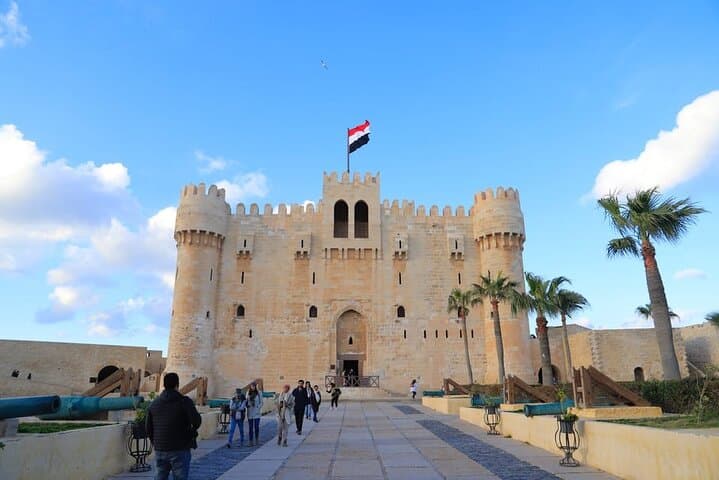
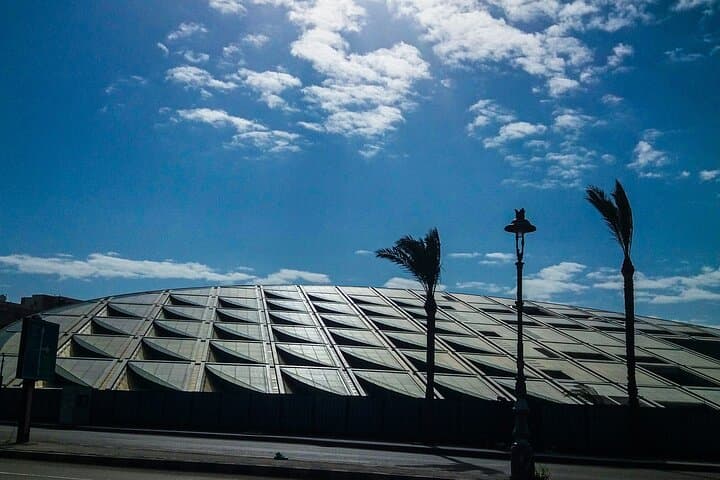
Alexandria wears its past visibly. Founded by Alexander the Great and later enriched under the Ptolemies and Romans, the city’s landmarks—Kom El Shoqafa’s subterranean tombs, the marble of the Roman amphitheater, and the 15th‑century Citadel of Qaitbay—trace a coastline of empire and trade. The modern Bibliotheca Alexandrina, with its concrete disk slanting toward the sea, signals a different age: a hub of learning reborn on the edge of ruins.
Expect close-up archaeology, brisk Corniche walks, and a seafood lunch framed by harbor views. Your Egyptologist guide will parse Greco‑Roman motifs in tomb carvings, point out where Pharos once lit ships, and explain local customs like bargaining at fish markets.
Practicalities matter: the full-day itinerary runs about eight hours with hotel pickup and return to Cairo; wear comfortable walking shoes, sun protection, and carry a photocopy of your passport. Museum and library opening times vary—note the modern library is closed on Fridays—and stairs and uneven surfaces are common at archaeological sites. Hydrate between stops, pace the corniche stroll, and allow time to soak in a sunset over the Mediterranean before the drive back to Cairo.
easy.
8 hours.
Suitable for most fitness levels; expect moderate walking and some stairs
Expect about three hours each way depending on traffic; the full experience is roughly eight hours including stops.
According to the itinerary, admission is not included—confirm with the operator which site fees you'll need to pay on arrival.
The modern library is typically closed on Fridays; check current hours to avoid scheduling conflicts.
The tour is marketed as suitable for all fitness levels, but sites include stairs and uneven surfaces—notify the operator ahead for assistance options.
Alexandria was founded in 331 BCE by Alexander the Great and later became a major Hellenistic center; the Citadel of Qaitbay stands on the site of the ancient Pharos lighthouse.
Coastal erosion and urban development threaten shoreline archaeology; local efforts focus on site preservation and reducing marine litter along the Corniche.
Marca Tours operates guided outdoor trips and adventures with an emphasis on safety, stewardship, and memorable experiences.


The day begins with a coastal ribbon of highway and the slow slide of the Mediterranean into view—salt air pressing against the windows as you head toward Alexandria. After roughly three hours of driving from Cairo, the city opens: a hard-edged harbor, seagulls riding thermals, and layered histories visible in stone and skyline.
The day begins with a coastal ribbon of highway and the slow slide of the Mediterranean into view—salt air pressing against the windows as you head toward Alexandria. After roughly three hours of driving from Cairo, the city opens: a hard-edged harbor, seagulls riding thermals, and layered histories visible in stone and skyline.
Alexandria wears its past visibly. Founded by Alexander the Great and later enriched under the Ptolemies and Romans, the city’s landmarks—Kom El Shoqafa’s subterranean tombs, the marble of the Roman amphitheater, and the 15th‑century Citadel of Qaitbay—trace a coastline of empire and trade. The modern Bibliotheca Alexandrina, with its concrete disk slanting toward the sea, signals a different age: a hub of learning reborn on the edge of ruins.
Expect close-up archaeology, brisk Corniche walks, and a seafood lunch framed by harbor views. Your Egyptologist guide will parse Greco‑Roman motifs in tomb carvings, point out where Pharos once lit ships, and explain local customs like bargaining at fish markets.
Practicalities matter: the full-day itinerary runs about eight hours with hotel pickup and return to Cairo; wear comfortable walking shoes, sun protection, and carry a photocopy of your passport. Museum and library opening times vary—note the modern library is closed on Fridays—and stairs and uneven surfaces are common at archaeological sites. Hydrate between stops, pace the corniche stroll, and allow time to soak in a sunset over the Mediterranean before the drive back to Cairo.