THE ADVENTURE COLLECTIVE® · Independent discovery and booking for outdoor travel

Spend a private day moving from the sun-baked openness of the Giza Plateau to the packed galleries of the Egyptian Museum. This guided tour pairs sweeping ancient monuments with intimate cultural corners of Cairo—ideal for first-time visitors seeking a focused, comfortable day.
Spend a private day moving from the sun-baked openness of the Giza Plateau to the packed galleries of the Egyptian Museum. This guided tour pairs sweeping ancient monuments with intimate cultural corners of Cairo—ideal for first-time visitors seeking a focused, comfortable day.
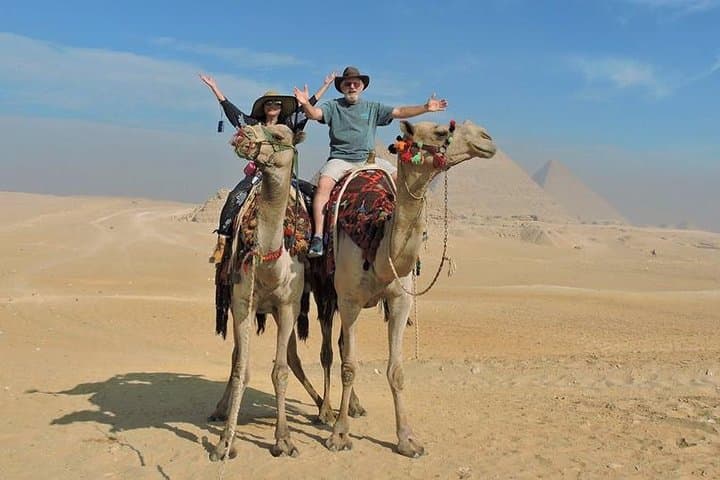
A line of low sun cuts across the Giza Plateau as the Great Pyramid looms into view, its weathered casing stones catching a last golden edge. The air is dry and alive—wind pushing sand across beaten paths, camels shifting patiently against the bluff of ancient rock. On this private full-day circuit, travelers move from the open, almost lunar sweep of the plateau to the dense galleries of the Museum of Egyptian Antiquities, where polished cases hold artifacts that have survived millennia.
Verified experiences and guided adventures in the surrounding area.
Operated by Look at Egypt Tours · Cairo, Cairo Governorate
A line of low sun cuts across the Giza Plateau as the Great Pyramid looms into view, its weathered casing stones catching a last golden edge. The air is dry and alive—wind pushing sand across beaten paths, camels shifting patiently against the bluff of ancient rock. On this private full-day circuit, travelers move from the open, almost lunar sweep of the plateau to the dense galleries of the Museum of Egyptian Antiquities, where polished cases hold artifacts that have survived millennia.
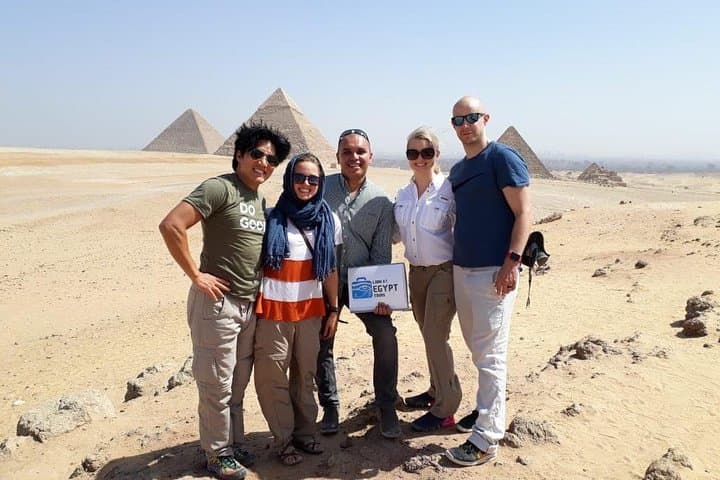
The Pyramids—constructed in the Fourth Dynasty for pharaohs such as Khufu—sit on limestone bedrock and are the only remaining of the ancient Seven Wonders. Nearby the Egyptian Museum catalogs more than 120,000 objects, including the funerary treasures of Tutankhamun and everyday pieces that sketch daily life along the Nile. A short drive brings visitors to Old Cairo’s Coptic quarter and the bustling Khan el-Khalili market, offering a cultural contrast from stone and glass to narrow lanes and spice-scented stalls.
Practically: expect 7–8 hours of guided touring with curb-to-curb transport, moderate walking on uneven terrain at Giza and flat indoor floors at the museum. Wear sturdy shoes for sandy and rocky surfaces, carry sun protection and a refillable water bottle, and budget time for security checks and photo stops.
Local tips: plan the plateau visit early or late for cooler light and clearer photos; eat a leisurely lunch to break the day. Respect site rules—no climbing—and follow your Egyptologist’s guidance to deepen historical context while protecting fragile sites.
easy.
7–8 hours.
Suitable for most fitness levels; requires standing, short walks over uneven ground, and climbing a few steps.
Yes. The tour includes admissions to the Giza Plateau, the Egyptian Museum and the sites listed in the itinerary.
Standard tours generally include plateau access and exterior views; entering pyramid chambers may require additional tickets or specific permits—confirm with the operator beforehand.
Many parts of the tour are accessible, including ground-level museum galleries and vehicle transport, but the Giza Plateau has uneven surfaces that can limit access—consult the operator for individual arrangements.
Camel rides are often offered on the plateau as part of the experience; operators typically use experienced handlers—ask about duration and safety measures, and decline if you have mobility concerns.
The Giza pyramids date to the Fourth Dynasty (c. 2600–2500 BCE) and the Egyptian Museum in Tahrir holds key finds from across Egypt’s pharaonic periods, including Tutankhamun’s treasures.
Sites manage visitor impact through restricted zones and guided tours; avoid touching monuments, dispose of waste properly, and use certified guides to support local conservation efforts.
Look at Egypt Tours operates guided outdoor trips and adventures with an emphasis on safety, stewardship, and memorable experiences.


A line of low sun cuts across the Giza Plateau as the Great Pyramid looms into view, its weathered casing stones catching a last golden edge. The air is dry and alive—wind pushing sand across beaten paths, camels shifting patiently against the bluff of ancient rock. On this private full-day circuit, travelers move from the open, almost lunar sweep of the plateau to the dense galleries of the Museum of Egyptian Antiquities, where polished cases hold artifacts that have survived millennia.
A line of low sun cuts across the Giza Plateau as the Great Pyramid looms into view, its weathered casing stones catching a last golden edge. The air is dry and alive—wind pushing sand across beaten paths, camels shifting patiently against the bluff of ancient rock. On this private full-day circuit, travelers move from the open, almost lunar sweep of the plateau to the dense galleries of the Museum of Egyptian Antiquities, where polished cases hold artifacts that have survived millennia.
The Pyramids—constructed in the Fourth Dynasty for pharaohs such as Khufu—sit on limestone bedrock and are the only remaining of the ancient Seven Wonders. Nearby the Egyptian Museum catalogs more than 120,000 objects, including the funerary treasures of Tutankhamun and everyday pieces that sketch daily life along the Nile. A short drive brings visitors to Old Cairo’s Coptic quarter and the bustling Khan el-Khalili market, offering a cultural contrast from stone and glass to narrow lanes and spice-scented stalls.
Practically: expect 7–8 hours of guided touring with curb-to-curb transport, moderate walking on uneven terrain at Giza and flat indoor floors at the museum. Wear sturdy shoes for sandy and rocky surfaces, carry sun protection and a refillable water bottle, and budget time for security checks and photo stops.
Local tips: plan the plateau visit early or late for cooler light and clearer photos; eat a leisurely lunch to break the day. Respect site rules—no climbing—and follow your Egyptologist’s guidance to deepen historical context while protecting fragile sites.