THE ADVENTURE COLLECTIVE® · Independent discovery and booking for outdoor travel

Drive south from Luxor for a private full-day exploration of Edfu’s horus temple and the twin shrines of Kom Ombo. This guided trip pairs well-preserved Ptolemaic architecture with a compact crocodile museum and easy, informative stops along the Nile.
Drive south from Luxor for a private full-day exploration of Edfu’s horus temple and the twin shrines of Kom Ombo. This guided trip pairs well-preserved Ptolemaic architecture with a compact crocodile museum and easy, informative stops along the Nile.
You step into morning light on the Nile’s eastern bank in Luxor, and the road south unfurls ahead—flat, sun-baked, edged with palms and small farming villages where tractors and donkeys share the lane. The car hums, air conditioning steady; your guide threads history into the landscape as riverine reeds lean like an audience toward the passing windows.
Verified experiences and guided adventures in the surrounding area.
Operated by Egypt Lifetime Tours · Luxor, Luxor Governorate
You step into morning light on the Nile’s eastern bank in Luxor, and the road south unfurls ahead—flat, sun-baked, edged with palms and small farming villages where tractors and donkeys share the lane. The car hums, air conditioning steady; your guide threads history into the landscape as riverine reeds lean like an audience toward the passing windows.
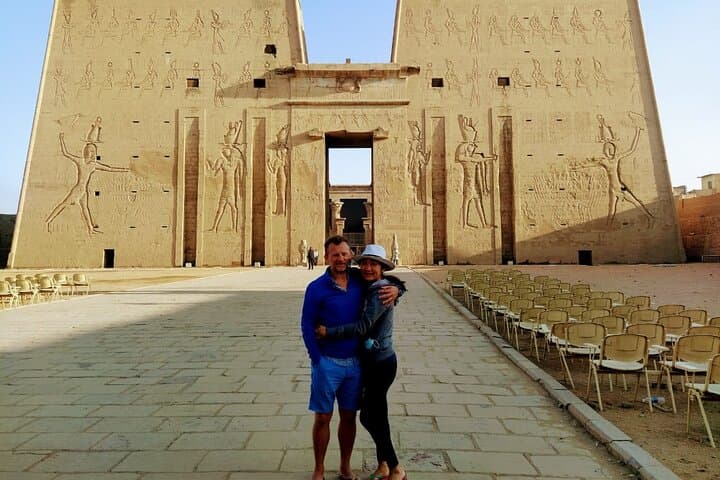
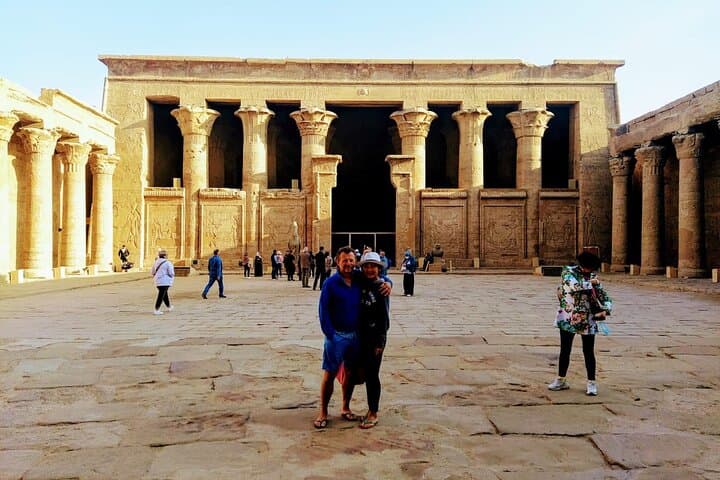
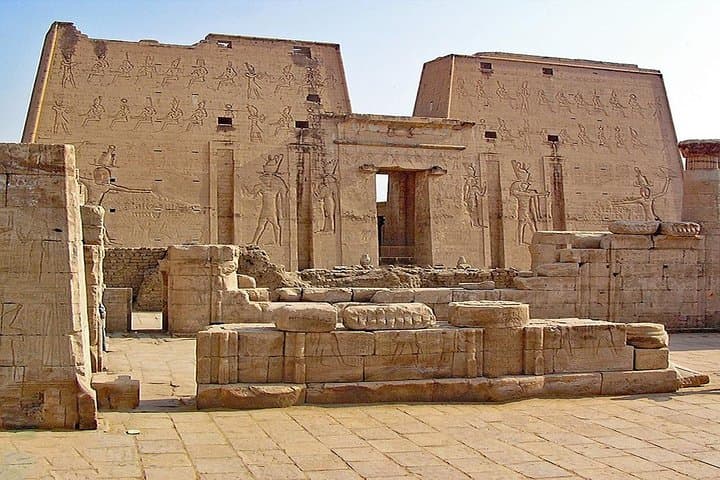
Edfu’s Temple of Horus rises in clean Ptolemaic geometry, one of Egypt’s best-preserved cult temples, its reliefs and processional way surviving centuries of sand and wind. Further downriver, Kom Ombo presents a rarer composition: a double temple honoring Sobek, the crocodile god, and Horus, the falcon—reliefs that record medicine, calendars, and a civic life written into stone. Geologically, the Nile valley is alluvium and fertile ribbon; the temples sit on raised terraces that kept them dry through changing river levels.
Culturally, expect a blend of modern village life and layered antiquity—boatmen, farmers, and vendors intermingled with monumental stone. Local insights include a modest crocodile museum at Kom Ombo and quieter bankside spots where fishermen mend nets.
Practical guidance: this private, 10-hour car tour from Luxor is low exertion but exposure-heavy—bring sun protection, plenty of water, and a copy of your passport for permits. Entrance fees typically aren’t included; plan cash for tickets and tips. Wear comfortable walking shoes for uneven temple floors and allocate time for photography and museum stops. The tour is wheelchair-accessible in parts, but uneven surfaces persist near ancient structures. Aim for an early departure to avoid peak heat and make the most of daylight on both sites.
easy.
10 hours.
Minimal fitness required—mostly walking on flat to gently uneven surfaces; able-bodied travelers should be fine.
No—entrance fees for Edfu and Kom Ombo are generally not included; expect to pay on-site in cash.
Standard pickup from Luxor hotels and Nile cruise boats is included; pickups from West Bank hotels may incur an extra charge.
Parts of the route are wheelchair-accessible, but ancient temple surfaces and some ramps are uneven—contact the operator in advance to discuss needs.
Yes—the operator requires a passport copy upon booking for government permissions, and you should carry ID during the tour.
Edfu and Kom Ombo were expanded during the Ptolemaic era; Edfu is dedicated to Horus while Kom Ombo is a rare double temple honoring Sobek and Horus with medical and calendar reliefs.
Respect fragile carvings and avoid touching reliefs; water is scarce in Upper Egypt—minimize waste and follow local guidance to reduce tourist impact.
Egypt Lifetime Tours operates guided outdoor trips and adventures with an emphasis on safety, stewardship, and memorable experiences.
You step into morning light on the Nile’s eastern bank in Luxor, and the road south unfurls ahead—flat, sun-baked, edged with palms and small farming villages where tractors and donkeys share the lane. The car hums, air conditioning steady; your guide threads history into the landscape as riverine reeds lean like an audience toward the passing windows.
You step into morning light on the Nile’s eastern bank in Luxor, and the road south unfurls ahead—flat, sun-baked, edged with palms and small farming villages where tractors and donkeys share the lane. The car hums, air conditioning steady; your guide threads history into the landscape as riverine reeds lean like an audience toward the passing windows.
Edfu’s Temple of Horus rises in clean Ptolemaic geometry, one of Egypt’s best-preserved cult temples, its reliefs and processional way surviving centuries of sand and wind. Further downriver, Kom Ombo presents a rarer composition: a double temple honoring Sobek, the crocodile god, and Horus, the falcon—reliefs that record medicine, calendars, and a civic life written into stone. Geologically, the Nile valley is alluvium and fertile ribbon; the temples sit on raised terraces that kept them dry through changing river levels.
Culturally, expect a blend of modern village life and layered antiquity—boatmen, farmers, and vendors intermingled with monumental stone. Local insights include a modest crocodile museum at Kom Ombo and quieter bankside spots where fishermen mend nets.
Practical guidance: this private, 10-hour car tour from Luxor is low exertion but exposure-heavy—bring sun protection, plenty of water, and a copy of your passport for permits. Entrance fees typically aren’t included; plan cash for tickets and tips. Wear comfortable walking shoes for uneven temple floors and allocate time for photography and museum stops. The tour is wheelchair-accessible in parts, but uneven surfaces persist near ancient structures. Aim for an early departure to avoid peak heat and make the most of daylight on both sites.