THE ADVENTURE COLLECTIVE® · Independent discovery and booking for outdoor travel

Skip the guidebook shuffle and spend a day moving through Tokyo with a local who knows the shortcuts, secret snack stalls, and quieter shrine corners. This private, customizable full-day walks-and-transit tour blends morning market energy, historic Asakusa, panoramic Skytree views, and urban nightlife.
Skip the guidebook shuffle and spend a day moving through Tokyo with a local who knows the shortcuts, secret snack stalls, and quieter shrine corners. This private, customizable full-day walks-and-transit tour blends morning market energy, historic Asakusa, panoramic Skytree views, and urban nightlife.
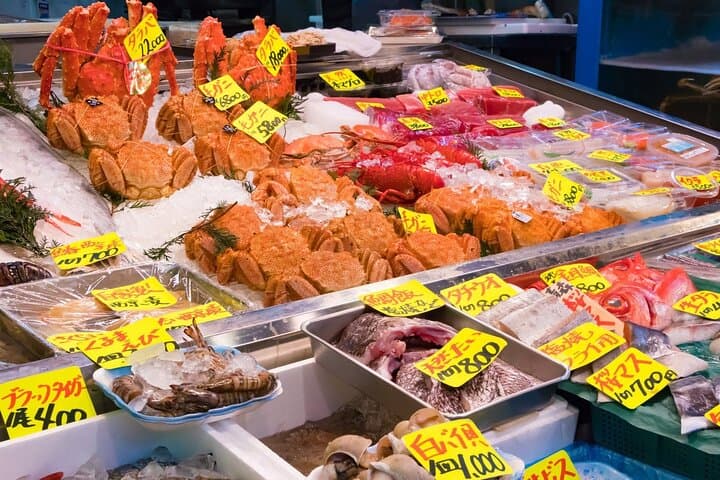
You step into Tsukiji’s morning bustle with a local friend at your side: vendors call out over clipped waves of knife-sharp fish, steam rising from tamagoyaki stalls. The city unfolds from that sensory pulse—temple bells in Asakusa, the hush of Meiji Jingu’s forest, neon choreographies at Shibuya—each neighborhood a different beat in Tokyo’s long story.
Verified experiences and guided adventures in the surrounding area.
Operated by Sui Exclusive Japan | Premium Tour Guide · Tokyo, Tokyo
You step into Tsukiji’s morning bustle with a local friend at your side: vendors call out over clipped waves of knife-sharp fish, steam rising from tamagoyaki stalls. The city unfolds from that sensory pulse—temple bells in Asakusa, the hush of Meiji Jingu’s forest, neon choreographies at Shibuya—each neighborhood a different beat in Tokyo’s long story.
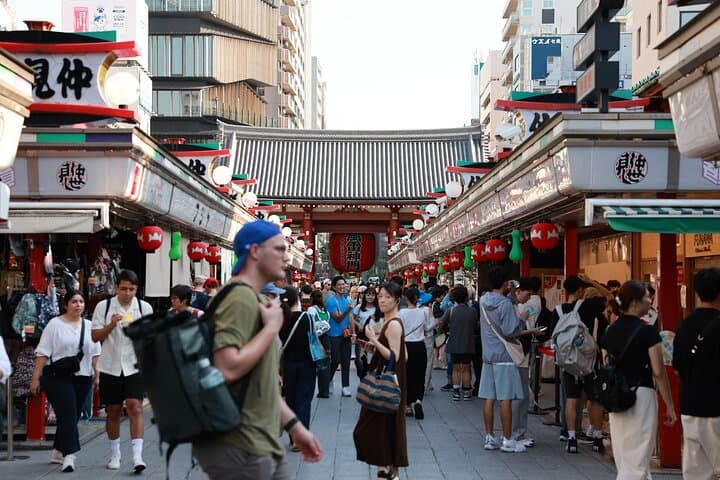
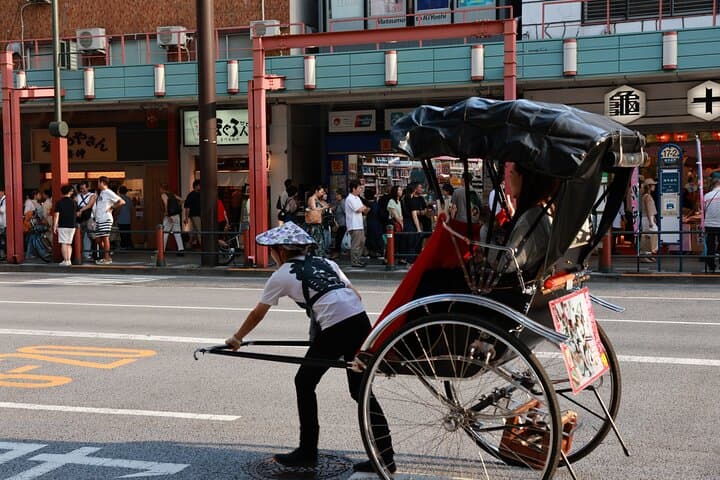
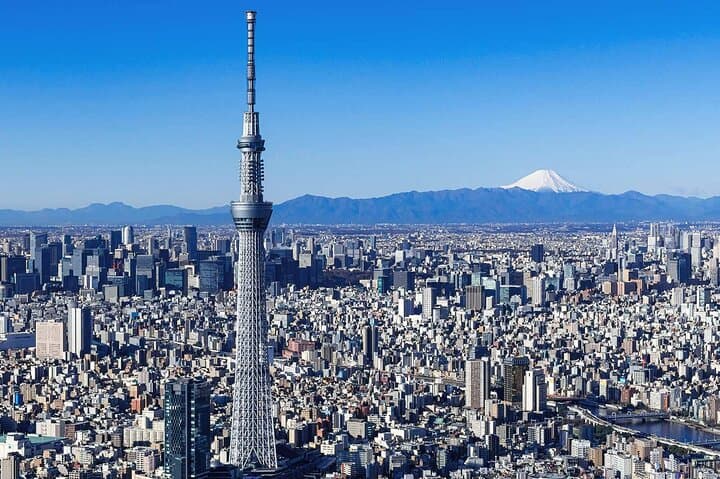
Tokyo sits on the Kanto plain beside Tokyo Bay, built atop river sediments and reclaimed land shaped by earthquakes and centuries of human engineering. The route through Senso-ji and Nakamise Street traces Edo-era commerce; Meiji Jingu recalls Japan’s rapid modernization under the Meiji Restoration. Modern landmarks like Tokyo Skytree then frame the city’s vertical ambitions and seismic-aware design.
Locals prize small courtesies: remove shoes where asked, queue politely, and skip tipping. Young guides can point out alleyway eateries, specialty shops, and quieter shrine corners that most visitors miss.
Practical guidance: a typical private day runs six to seven hours and mixes walking with public transit—bring a charged phone and IC card (Suica/Pasmo) for smooth transfers. Wear broken-in walking shoes and a lightweight jacket; Tokyo weather can flip in hours. Start early at markets to avoid crowds, save Skytree for midday light if you want photos, and finish in Shibuya or Kabukicho after dusk for nightlife contrasts. Guides often include edited photos, so pack light but prepared: hydration, comfortable layers, and a curious appetite will make the day run best.
easy.
6–7 hours.
Basic urban fitness; expect several miles of walking at a relaxed pace with frequent stops
Yes—strollers are manageable in most areas listed, but note some temples and older streets have steps; discuss needs when booking.
Standard itineraries do not include admission fees unless specified; confirm with your guide if you want tickets to Skytree or special exhibits.
Highly customizable—share interests (food, history, shopping) before the day and the guide will adjust pacing and stops accordingly.
Guides are English-speaking local guides; inquire at booking about additional language support if needed.
Tokyo grew from the Edo period capital and was renamed after the Meiji Restoration, a time when the city rapidly modernized and expanded into the Kanto plain.
Tokyo’s parks and shrine groves are actively managed; follow local recycling rules, avoid trampling plantings, and minimize single-use plastics to reduce urban litter.
Sui Exclusive Japan | Premium Tour Guide operates guided outdoor trips and adventures with an emphasis on safety, stewardship, and memorable experiences.
You step into Tsukiji’s morning bustle with a local friend at your side: vendors call out over clipped waves of knife-sharp fish, steam rising from tamagoyaki stalls. The city unfolds from that sensory pulse—temple bells in Asakusa, the hush of Meiji Jingu’s forest, neon choreographies at Shibuya—each neighborhood a different beat in Tokyo’s long story.
You step into Tsukiji’s morning bustle with a local friend at your side: vendors call out over clipped waves of knife-sharp fish, steam rising from tamagoyaki stalls. The city unfolds from that sensory pulse—temple bells in Asakusa, the hush of Meiji Jingu’s forest, neon choreographies at Shibuya—each neighborhood a different beat in Tokyo’s long story.
Tokyo sits on the Kanto plain beside Tokyo Bay, built atop river sediments and reclaimed land shaped by earthquakes and centuries of human engineering. The route through Senso-ji and Nakamise Street traces Edo-era commerce; Meiji Jingu recalls Japan’s rapid modernization under the Meiji Restoration. Modern landmarks like Tokyo Skytree then frame the city’s vertical ambitions and seismic-aware design.
Locals prize small courtesies: remove shoes where asked, queue politely, and skip tipping. Young guides can point out alleyway eateries, specialty shops, and quieter shrine corners that most visitors miss.
Practical guidance: a typical private day runs six to seven hours and mixes walking with public transit—bring a charged phone and IC card (Suica/Pasmo) for smooth transfers. Wear broken-in walking shoes and a lightweight jacket; Tokyo weather can flip in hours. Start early at markets to avoid crowds, save Skytree for midday light if you want photos, and finish in Shibuya or Kabukicho after dusk for nightlife contrasts. Guides often include edited photos, so pack light but prepared: hydration, comfortable layers, and a curious appetite will make the day run best.