THE ADVENTURE COLLECTIVE® · Independent discovery and booking for outdoor travel

Cover Asakusa’s Sensō-ji, Harajuku’s Takeshita Street, Odaiba’s waterfront, and Shibuya Crossing in a single customizable day with a private guide. This full-day tour blends historic shrines, modern art, and cityscapes with practical pacing and local tips to help you make the most of Tokyo.
Cover Asakusa’s Sensō-ji, Harajuku’s Takeshita Street, Odaiba’s waterfront, and Shibuya Crossing in a single customizable day with a private guide. This full-day tour blends historic shrines, modern art, and cityscapes with practical pacing and local tips to help you make the most of Tokyo.
You step out of your hotel into a city that moves with purpose: neon glints off glass towers, the Sumida River pushes cold light toward the bay, and the roast-sesame scent from a Nakamise stall draws you down a lane of centuries-old shops. A private guide leads you through the Kaminarimon, where Sensō-ji’s red lantern frames daily ritual, then threads modern districts that trade shrine bells for LED screens.
Verified experiences and guided adventures in the surrounding area.
Operated by Unemoto LLC · Tokyo, Tokyo
You step out of your hotel into a city that moves with purpose: neon glints off glass towers, the Sumida River pushes cold light toward the bay, and the roast-sesame scent from a Nakamise stall draws you down a lane of centuries-old shops. A private guide leads you through the Kaminarimon, where Sensō-ji’s red lantern frames daily ritual, then threads modern districts that trade shrine bells for LED screens.
Tokyo’s streets record layers of history — Edo river channels reshaped into boulevards, reclaimed bays that birthed Odaiba’s synthetic coastline, and neighborhoods that became microcultures: Harajuku’s youth fashion scene and Shibuya’s postwar commercial boom. Geologically the Kanto Plain is flat, making the city easy on knees but wide in distance; culture here is about scale and timing, from temple etiquette to ordering at a conveyor-belt sushi counter.
Expect paced walking interspersed with short drives: open-air promenades, a ferris wheel silhouette over Tokyo Bay, and the dizzying human tide at Shibuya Crossing. Practical notes: start early to dodge peak crowds at Asakusa and Skytree, pack a light rain layer (weather can flip fast), and carry a charged IC card for quick transit hops. Hydrate between stops; you’ll cover several miles on mostly flat pavement with plenty of optional sit-down breaks. The private format lets you swap a museum visit for a kimono photo session or rickshaw ride, tailoring distance and tempo to your group.
By day’s end you’ll have moved from old Edo rituals to future-facing exhibitions — Tokyo’s contrasts directed by a local who keeps the route efficient and meaningful.
easy.
8–10 hours.
Lightly active: able to stand and walk for several hours with intermittent seating; stair-free options available
Yes—private hotel pickup and drop-off within central Tokyo is included; specify your pickup point at booking.
Absolutely—the private format allows swapping stops, adding kimono fittings, rickshaw rides, or extra shopping time.
The tour notes wheelchair and stroller accessibility and can accommodate most mobility needs, though some shrine approaches may have steps.
Admissions like Skytree tickets, teamLab entries, and meals are typically not included unless specified—confirm with the operator when booking.
Tokyo evolved from the Edo period fishing and market town into Japan’s political and economic center; Asakusa preserves many Edo-era customs amid modern redevelopment.
Tokyo emphasizes green corridors and riverfront parks to mitigate urban heat; visitors should use trash stations and avoid single-use plastics when possible.
Unemoto LLC operates guided outdoor trips and adventures with an emphasis on safety, stewardship, and memorable experiences.
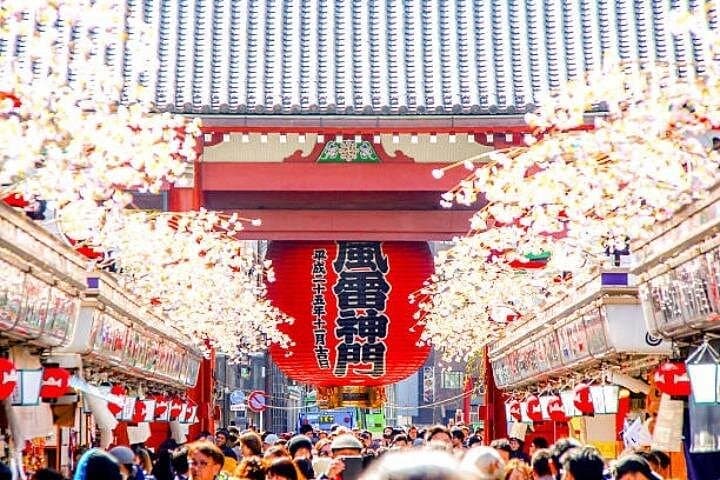
You step out of your hotel into a city that moves with purpose: neon glints off glass towers, the Sumida River pushes cold light toward the bay, and the roast-sesame scent from a Nakamise stall draws you down a lane of centuries-old shops. A private guide leads you through the Kaminarimon, where Sensō-ji’s red lantern frames daily ritual, then threads modern districts that trade shrine bells for LED screens.
You step out of your hotel into a city that moves with purpose: neon glints off glass towers, the Sumida River pushes cold light toward the bay, and the roast-sesame scent from a Nakamise stall draws you down a lane of centuries-old shops. A private guide leads you through the Kaminarimon, where Sensō-ji’s red lantern frames daily ritual, then threads modern districts that trade shrine bells for LED screens.
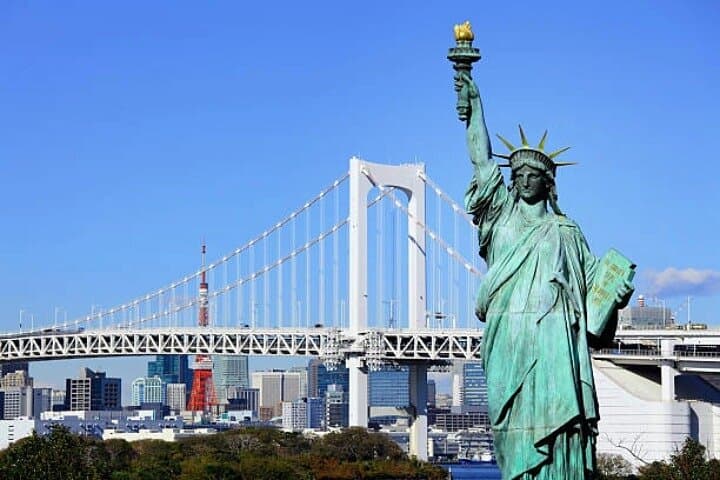
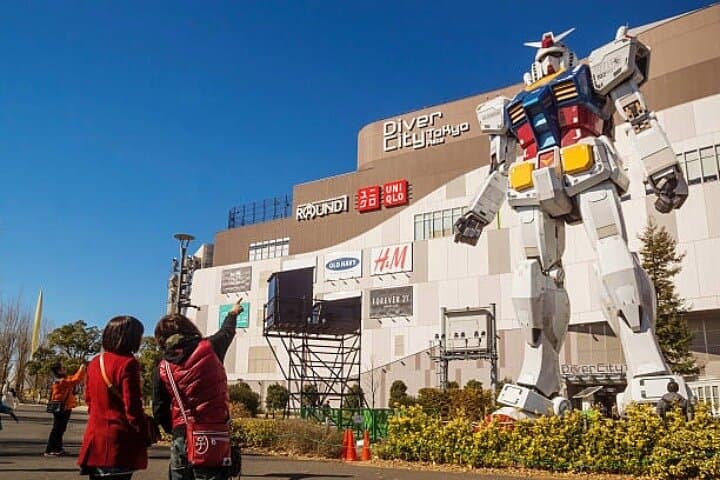
Tokyo’s streets record layers of history — Edo river channels reshaped into boulevards, reclaimed bays that birthed Odaiba’s synthetic coastline, and neighborhoods that became microcultures: Harajuku’s youth fashion scene and Shibuya’s postwar commercial boom. Geologically the Kanto Plain is flat, making the city easy on knees but wide in distance; culture here is about scale and timing, from temple etiquette to ordering at a conveyor-belt sushi counter.
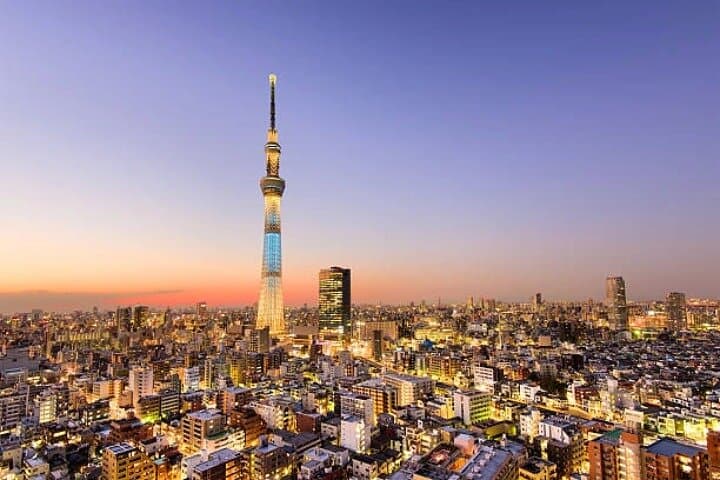
Expect paced walking interspersed with short drives: open-air promenades, a ferris wheel silhouette over Tokyo Bay, and the dizzying human tide at Shibuya Crossing. Practical notes: start early to dodge peak crowds at Asakusa and Skytree, pack a light rain layer (weather can flip fast), and carry a charged IC card for quick transit hops. Hydrate between stops; you’ll cover several miles on mostly flat pavement with plenty of optional sit-down breaks. The private format lets you swap a museum visit for a kimono photo session or rickshaw ride, tailoring distance and tempo to your group.
By day’s end you’ll have moved from old Edo rituals to future-facing exhibitions — Tokyo’s contrasts directed by a local who keeps the route efficient and meaningful.