THE ADVENTURE COLLECTIVE® · Independent discovery and booking for outdoor travel

A private full-day transfer from Delhi delivers two of Agra's crown monuments, a five-star buffet lunch, and expert local commentary. Ideal for travelers who want efficient logistics with the time to see Taj Mahal, Agra Fort, and the Baby Taj in one day.
A private full-day transfer from Delhi delivers two of Agra's crown monuments, a five-star buffet lunch, and expert local commentary. Ideal for travelers who want efficient logistics with the time to see Taj Mahal, Agra Fort, and the Baby Taj in one day.
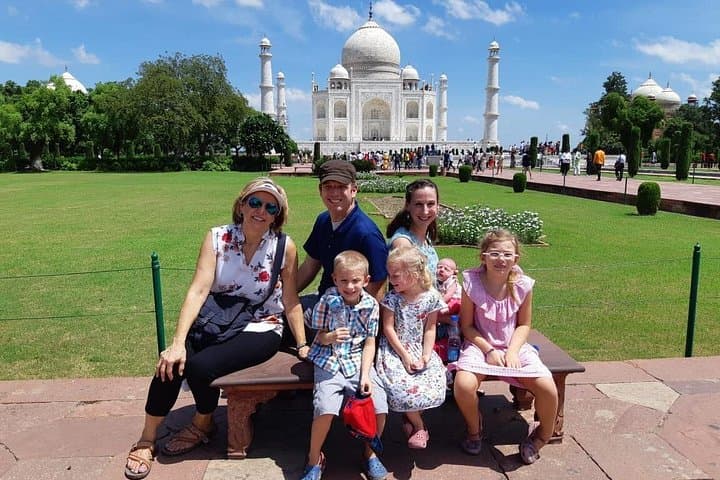
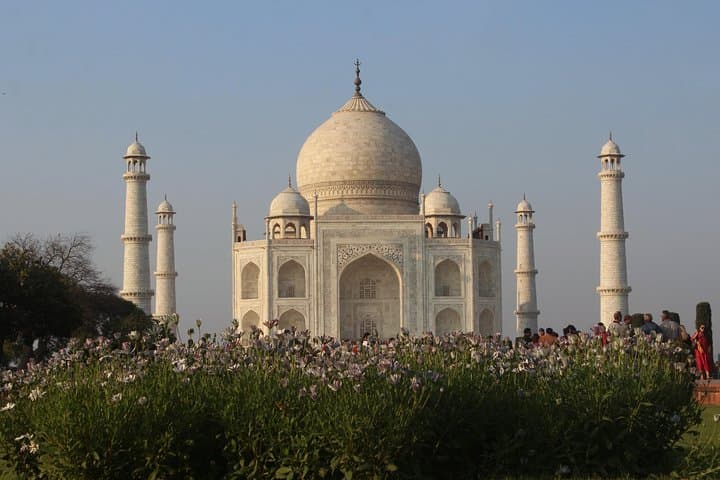
Morning air on the Yamuna side cuts clear; the Taj Mahal rises from the riverbank like a pale challenge, its white marble catching light and the eye.
Verified experiences and guided adventures in the surrounding area.
Operated by Taj tour trip · Agra, Uttar Pradesh
Morning air on the Yamuna side cuts clear; the Taj Mahal rises from the riverbank like a pale challenge, its white marble catching light and the eye.
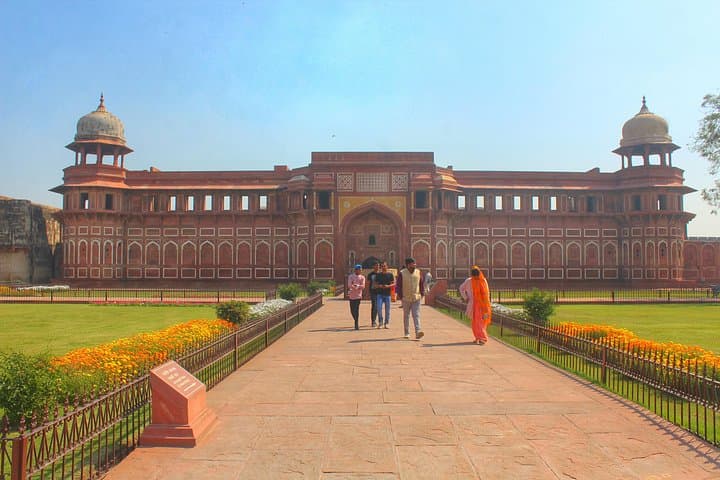
This private full-day tour moves from the hum of Delhi's suburbs into the layered history of Mughal Agra. Built by Shah Jahan in memory of Mumtaz Mahal, the Taj is the day's centerpiece — an exercise in symmetry, pietra dura inlay, and imperial grief. Nearby Agra Fort offers a different tone: red sandstone ramparts, winding courtyards, and defensive geometry that trace Mughal power and Persianate influence. The smaller, more intimate tomb of Itmad-ud-Daulah — the so-called Baby Taj — shows the decorative experiments that foreshadowed the great mausoleum.
Geology plays a subtle role: the site sits on alluvial plains of the Ganges basin, and the Taj's marble reflects centuries of weathering and conservation work. Local life threads through the visit — artisans in marble inlay workshops, markets selling spices and pashmina, and tuk-tuks skirting the main roads.
Practical side: expect 10–12 hours door-to-door with roughly three hours each at the Taj and transit, plus a hotel buffet lunch at a five-star. Security checks and battery buses are standard at the Taj; the monument is closed on Fridays. Wear solid walking shoes for uneven courtyards, carry ID for ticketing, and bring sun protection and water for the midday heat. For quieter photographs, aim for the earliest possible pickup and plan the return to Delhi in the late afternoon to avoid peak traffic.
easy.
10–12 hours.
Light fitness needed—mostly walking on paved and uneven surfaces with some steps; suitable for most travelers.
No — standard admission fees to the Taj Mahal and Agra Fort are not included; your guide can advise on obtaining tickets or you can purchase them at the gate.
The drive is roughly three hours each way depending on traffic; the full experience is planned as a 10–12 hour day including site time and lunch.
The tour listings note wheelchair-accessible transport and areas, but access within monuments can be limited—confirm needs in advance so guides can arrange assistance or alternate routes.
Photography for personal use is allowed; drones and professional equipment often require permits. Tripods and large bags may be restricted during peak times.
The Taj Mahal was commissioned by Mughal Emperor Shah Jahan in the 17th century for Mumtaz Mahal; Agra Fort predates and contextualizes Mughal political power.
High visitor numbers and river pollution affect the site; conservation efforts focus on marble cleaning and visitor management—avoid touching inlay and reduce plastic waste.
Taj tour trip operates guided outdoor trips and adventures with an emphasis on safety, stewardship, and memorable experiences.

Morning air on the Yamuna side cuts clear; the Taj Mahal rises from the riverbank like a pale challenge, its white marble catching light and the eye.
Morning air on the Yamuna side cuts clear; the Taj Mahal rises from the riverbank like a pale challenge, its white marble catching light and the eye.
This private full-day tour moves from the hum of Delhi's suburbs into the layered history of Mughal Agra. Built by Shah Jahan in memory of Mumtaz Mahal, the Taj is the day's centerpiece — an exercise in symmetry, pietra dura inlay, and imperial grief. Nearby Agra Fort offers a different tone: red sandstone ramparts, winding courtyards, and defensive geometry that trace Mughal power and Persianate influence. The smaller, more intimate tomb of Itmad-ud-Daulah — the so-called Baby Taj — shows the decorative experiments that foreshadowed the great mausoleum.
Geology plays a subtle role: the site sits on alluvial plains of the Ganges basin, and the Taj's marble reflects centuries of weathering and conservation work. Local life threads through the visit — artisans in marble inlay workshops, markets selling spices and pashmina, and tuk-tuks skirting the main roads.
Practical side: expect 10–12 hours door-to-door with roughly three hours each at the Taj and transit, plus a hotel buffet lunch at a five-star. Security checks and battery buses are standard at the Taj; the monument is closed on Fridays. Wear solid walking shoes for uneven courtyards, carry ID for ticketing, and bring sun protection and water for the midday heat. For quieter photographs, aim for the earliest possible pickup and plan the return to Delhi in the late afternoon to avoid peak traffic.