THE ADVENTURE COLLECTIVE® · Independent discovery and booking for outdoor travel

Climb Sigiriya's 200m Lion Rock, explore the painted caves of Dambulla and meet village life on a private full-day tour that pairs archaeology with wildlife viewing. Practical tips for timing, footwear and entry fees inside.
Climb Sigiriya's 200m Lion Rock, explore the painted caves of Dambulla and meet village life on a private full-day tour that pairs archaeology with wildlife viewing. Practical tips for timing, footwear and entry fees inside.
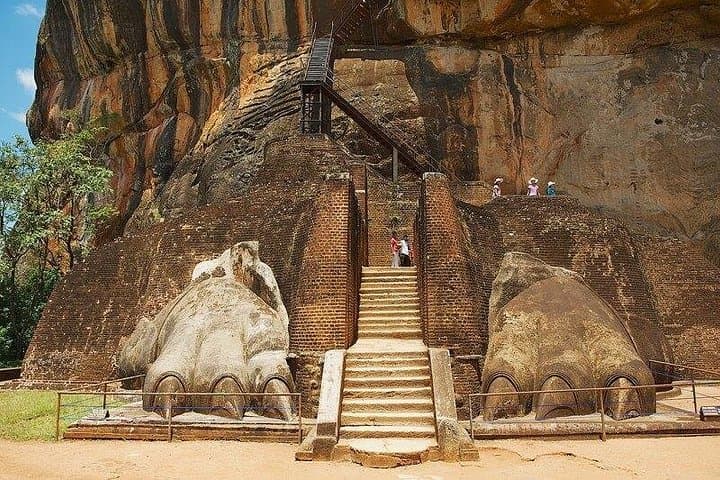
You step out before dawn into a countryside that still smells of last night's rain and fresh tea. The van hums along a narrow road as fields unroll into flatlands dotted with water tanks and the occasional temple gopuram. By midmorning Sigiriya appears: a near-vertical column of rock rising roughly 200 meters from the plain, its sheer face catching light like an old coin. The climb begins as a conversation between you and the place — steps and iron walkways answering the rock's stubborn verticality.
Verified experiences and guided adventures in the surrounding area.
Operated by Lanka tours & transfers (Pvt) Ltd. · Sigiriya, Central Province
You step out before dawn into a countryside that still smells of last night's rain and fresh tea. The van hums along a narrow road as fields unroll into flatlands dotted with water tanks and the occasional temple gopuram. By midmorning Sigiriya appears: a near-vertical column of rock rising roughly 200 meters from the plain, its sheer face catching light like an old coin. The climb begins as a conversation between you and the place — steps and iron walkways answering the rock's stubborn verticality.
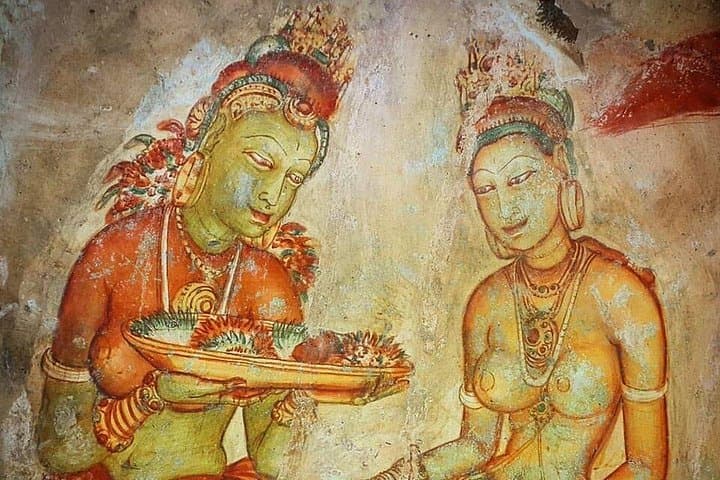
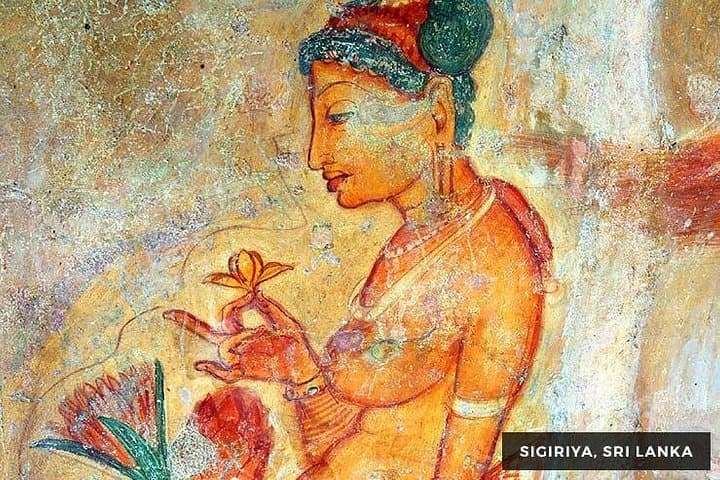
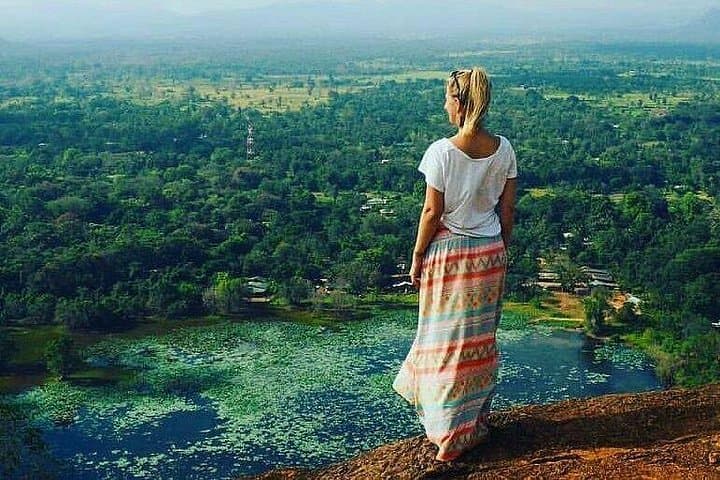
Sigiriya is part fortress, part stage set. Built in the late 5th century by King Kasyapa as a palace atop an isolated volcanic plug, the site layers horticulture, hydraulics and royal ambition into a compact, readable landscape. Halfway up, the mirror wall and the faint traces of frescoes offer a pause; the engineered water gardens below still channel and reflect light the way they did for ancient processions. At the summit the battered foundations of a palace and the broad lookout make the exertion worthwhile: a 360-degree sweep over rice paddies, reservoirs and the distant silhouette of Dambulla's plateau.
Dambulla’s cave temple flips the script from exposed summit to cool, dim sanctuary. Inside five main caves the walls and ceilings are painted with scenes from Buddha’s life, and sequences of Buddha statues fill alcoves like a long, meditative chorus. The rock itself—part of a larger upland that includes ironwood stands and nearby rose quartz outcrops—has sheltered devotion for more than a millennium.
The day usually folds in quieter moments: an ox-cart ride in a village, a catamaran glide across a calm tank, and a home-cooked rice-and-curry lunch that explains Sri Lankan flavor in three bites. If your itinerary includes Minneriya, the seasonally migrating elephants assemble on the plains like an elemental traffic jam; the park is also a rich birding patch and an important conservation area.
Practical edge: this is an 11–13 hour private tour with hotel pickup available. Expect a mix of paved paths, uneven rock stairs and metal platforms at Sigiriya; bring steady shoes and plan for heat and humidity. Entrance fees are typically separate from private transport; confirm ticketing with your operator and carry local cash for admissions. Start early to beat crowds and midday heat — mornings reward you with clearer air and better light for photography. Hydrate often, wear sun protection, and budget energy for the return trip home.
For travelers who want both history and hands-on cultural contact, this full-day route is efficient and vivid: rock, cave, village and wildlife stitched into one long, readable day under Sri Lanka’s broad sky.
moderate.
11–13 hours.
Moderate fitness required — you should be comfortable with sustained walking and climbing roughly 200m of elevation on stairs and uneven surfaces.
Most private tours do not include national site entrance fees; confirm with your operator and carry cash or card to pay at the ticket office.
The ascent is steep with stairs and some narrow sections but well maintained; expect about 200m of vertical gain and allow 45–75 minutes depending on pace.
Children and fit older travelers can usually do the tour, but those with mobility issues or serious back problems should avoid the steep stair sections.
Modest clothing that covers shoulders and knees is required; you will remove shoes before entering the caves.
Late dry season months (roughly July–September) concentrate elephants at Minneriya, improving sightings; mornings and late afternoons are most active times.
Basic travel vaccines are recommended; carry insect repellent for rural stops and drink bottled water supplied during the tour.
Sigiriya was converted from palace to monastery after King Kasyapa's death in the 6th century, and Dambulla's painted caves preserve devotional art spanning several centuries.
Minneriya and surrounding reserves protect seasonal elephant corridors; stay on designated routes and avoid feeding wildlife to reduce human-wildlife conflict.
Lanka tours & transfers (Pvt) Ltd. operates guided outdoor trips and adventures with an emphasis on safety, stewardship, and memorable experiences.
You step out before dawn into a countryside that still smells of last night's rain and fresh tea. The van hums along a narrow road as fields unroll into flatlands dotted with water tanks and the occasional temple gopuram. By midmorning Sigiriya appears: a near-vertical column of rock rising roughly 200 meters from the plain, its sheer face catching light like an old coin. The climb begins as a conversation between you and the place — steps and iron walkways answering the rock's stubborn verticality.
You step out before dawn into a countryside that still smells of last night's rain and fresh tea. The van hums along a narrow road as fields unroll into flatlands dotted with water tanks and the occasional temple gopuram. By midmorning Sigiriya appears: a near-vertical column of rock rising roughly 200 meters from the plain, its sheer face catching light like an old coin. The climb begins as a conversation between you and the place — steps and iron walkways answering the rock's stubborn verticality.
Sigiriya is part fortress, part stage set. Built in the late 5th century by King Kasyapa as a palace atop an isolated volcanic plug, the site layers horticulture, hydraulics and royal ambition into a compact, readable landscape. Halfway up, the mirror wall and the faint traces of frescoes offer a pause; the engineered water gardens below still channel and reflect light the way they did for ancient processions. At the summit the battered foundations of a palace and the broad lookout make the exertion worthwhile: a 360-degree sweep over rice paddies, reservoirs and the distant silhouette of Dambulla's plateau.
Dambulla’s cave temple flips the script from exposed summit to cool, dim sanctuary. Inside five main caves the walls and ceilings are painted with scenes from Buddha’s life, and sequences of Buddha statues fill alcoves like a long, meditative chorus. The rock itself—part of a larger upland that includes ironwood stands and nearby rose quartz outcrops—has sheltered devotion for more than a millennium.
The day usually folds in quieter moments: an ox-cart ride in a village, a catamaran glide across a calm tank, and a home-cooked rice-and-curry lunch that explains Sri Lankan flavor in three bites. If your itinerary includes Minneriya, the seasonally migrating elephants assemble on the plains like an elemental traffic jam; the park is also a rich birding patch and an important conservation area.
Practical edge: this is an 11–13 hour private tour with hotel pickup available. Expect a mix of paved paths, uneven rock stairs and metal platforms at Sigiriya; bring steady shoes and plan for heat and humidity. Entrance fees are typically separate from private transport; confirm ticketing with your operator and carry local cash for admissions. Start early to beat crowds and midday heat — mornings reward you with clearer air and better light for photography. Hydrate often, wear sun protection, and budget energy for the return trip home.
For travelers who want both history and hands-on cultural contact, this full-day route is efficient and vivid: rock, cave, village and wildlife stitched into one long, readable day under Sri Lanka’s broad sky.