THE ADVENTURE COLLECTIVE® · Independent discovery and booking for outdoor travel

Trace Inca terraces, ancient agricultural labs and salt pans on a private full-day drive from Ollantaytambo to Cusco. This guided tour blends short on-foot explorations with cultural stops—ideal for first-time visitors acclimating to the high Andes.
Trace Inca terraces, ancient agricultural labs and salt pans on a private full-day drive from Ollantaytambo to Cusco. This guided tour blends short on-foot explorations with cultural stops—ideal for first-time visitors acclimating to the high Andes.
You step out where stone streets still remember Inca footfalls: early light pools in the narrow alleys of Ollantaytambo and the air tastes of cool river and toasted corn. The valley opens as you drive—terraced slopes falling toward the Urubamba River, clouds skimming ridgelines like travelers deciding whether to stay.
Verified experiences and guided adventures in the surrounding area.
Operated by Encuentros Peru Adventure · Ollantaytambo, Cusco Region
You step out where stone streets still remember Inca footfalls: early light pools in the narrow alleys of Ollantaytambo and the air tastes of cool river and toasted corn. The valley opens as you drive—terraced slopes falling toward the Urubamba River, clouds skimming ridgelines like travelers deciding whether to stay.
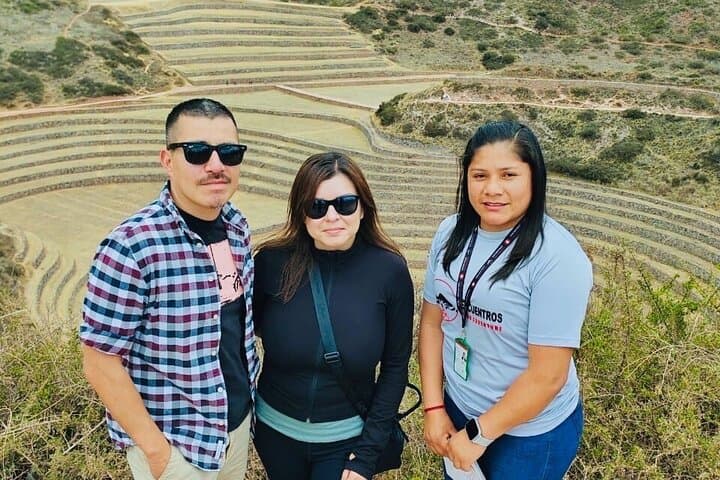
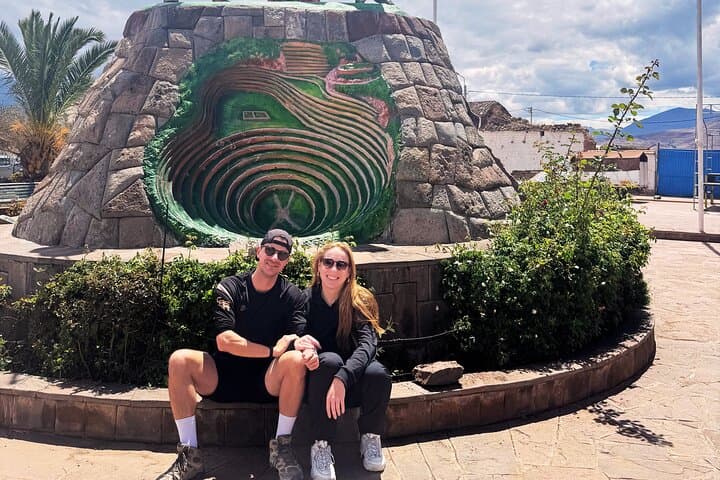
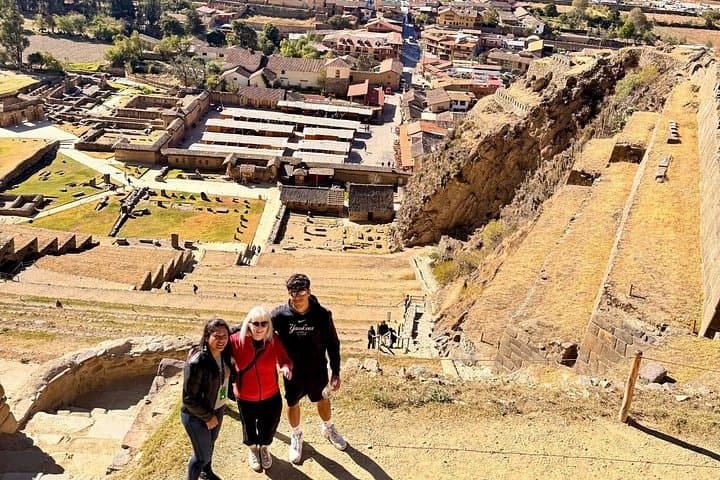
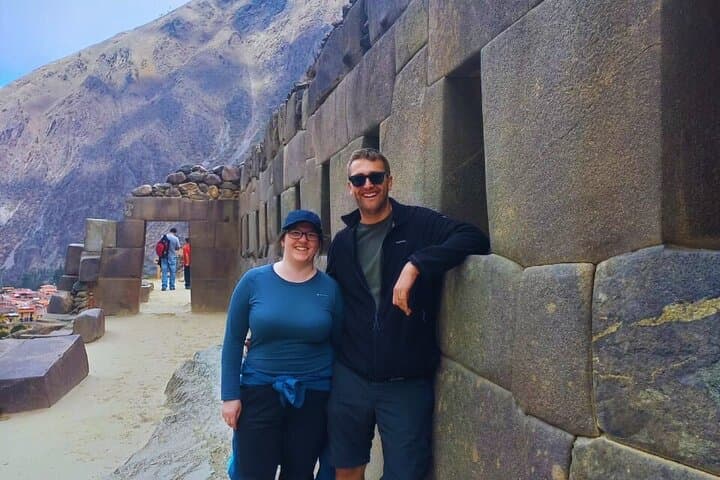
This route threads living history and experimental agriculture. Ollantaytambo’s tight, stepped plazas and precisely cut stones display classic Inca construction; Moray’s concentric terraces reveal centuries-old microclimates engineered for crop trials. Maras’ salt pans are human-made mirrors that reflect both geology and tradition—naturally fed, evaporated pools that communities have harvested since pre-Columbian times. In Chinchero, weaving is both craft and cultural archive: dyes, patterns and techniques passed down through generations.
Expect a full day of short walks, viewpoint stops and market browsing rather than sustained hiking. Altitude matters—sites sit between about 2,900–3,800 m—so pacing, water and steady breathing are practical necessities. Bring layered clothing for sun, wind and sudden mountain cloud; sturdy shoes for terraces and uneven paths; and cash for market purchases and small donations.
Logistics are straightforward: a private guide, transport between sites and a picnic lunch are typically included, with pickup options in Ollantaytambo. Best times are early morning departures to avoid midday crowds and afternoon storms during the rainy season. Move deliberately, listen to local knowledge, and let the landscape push your curiosity forward—this is a day of archaeology, agriculture and living Andean culture.
moderate.
8 hours.
Light to moderate fitness; comfortable on short walks and stair-stepped terraces, and acclimatized to high altitude.
The tour is about 8 hours total with several short walks at each site—typically 30–60 minutes of on-foot exploration per stop and the remainder in transit.
This operator often includes transport and guide but some archaeological site fees or local entrance tickets may be additional—confirm before booking.
Yes for most, but because sites sit at high elevation and include stepped terrain, those with cardiovascular issues or mobility limits should consult the operator and consider acclimatization time.
Start early in Ollantaytambo to avoid crowds, hit Moray mid-morning for clear views, and aim to finish Chinchero by mid-afternoon to avoid afternoon rain and busy markets.
The Sacred Valley was a key Inca agricultural and administrative corridor; Moray served as an experimental site for crop adaptation across microclimates.
Salt pans and terraces are fragile—stay on designated paths, avoid litter, and support local cooperatives to help sustain traditional livelihoods.
Encuentros Peru Adventure operates guided outdoor trips and adventures with an emphasis on safety, stewardship, and memorable experiences.
You step out where stone streets still remember Inca footfalls: early light pools in the narrow alleys of Ollantaytambo and the air tastes of cool river and toasted corn. The valley opens as you drive—terraced slopes falling toward the Urubamba River, clouds skimming ridgelines like travelers deciding whether to stay.
You step out where stone streets still remember Inca footfalls: early light pools in the narrow alleys of Ollantaytambo and the air tastes of cool river and toasted corn. The valley opens as you drive—terraced slopes falling toward the Urubamba River, clouds skimming ridgelines like travelers deciding whether to stay.
This route threads living history and experimental agriculture. Ollantaytambo’s tight, stepped plazas and precisely cut stones display classic Inca construction; Moray’s concentric terraces reveal centuries-old microclimates engineered for crop trials. Maras’ salt pans are human-made mirrors that reflect both geology and tradition—naturally fed, evaporated pools that communities have harvested since pre-Columbian times. In Chinchero, weaving is both craft and cultural archive: dyes, patterns and techniques passed down through generations.
Expect a full day of short walks, viewpoint stops and market browsing rather than sustained hiking. Altitude matters—sites sit between about 2,900–3,800 m—so pacing, water and steady breathing are practical necessities. Bring layered clothing for sun, wind and sudden mountain cloud; sturdy shoes for terraces and uneven paths; and cash for market purchases and small donations.
Logistics are straightforward: a private guide, transport between sites and a picnic lunch are typically included, with pickup options in Ollantaytambo. Best times are early morning departures to avoid midday crowds and afternoon storms during the rainy season. Move deliberately, listen to local knowledge, and let the landscape push your curiosity forward—this is a day of archaeology, agriculture and living Andean culture.