THE ADVENTURE COLLECTIVE® · Independent discovery and booking for outdoor travel

A full-day private circuit across Easter Island that links Ahu Tongariki, Rano Raraku, Orongo and Anakena with a local guide. Expect volcanic landscapes, restored ceremonial sites, and practical tips for a long but accessible cultural day out.
A full-day private circuit across Easter Island that links Ahu Tongariki, Rano Raraku, Orongo and Anakena with a local guide. Expect volcanic landscapes, restored ceremonial sites, and practical tips for a long but accessible cultural day out.
You step from the van with salt and wind already shaping the day; the South Pacific pushes a cool breath across a field of stone giants. On Easter Island, the Moai watch the horizon and the guide frames their faces with stories, science, and the steady click of camera shutters.
Verified experiences and guided adventures in the surrounding area.
Operated by AROHA TOURS RAPA NUI · Hanga Roa, Valparaíso Region
You step from the van with salt and wind already shaping the day; the South Pacific pushes a cool breath across a field of stone giants. On Easter Island, the Moai watch the horizon and the guide frames their faces with stories, science, and the steady click of camera shutters.
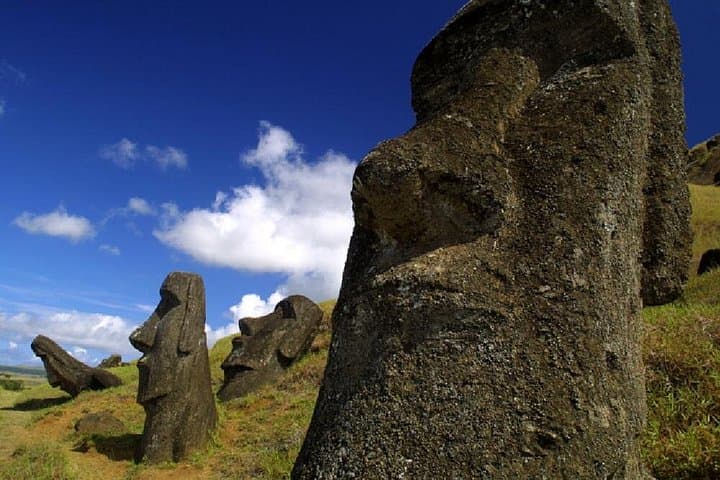
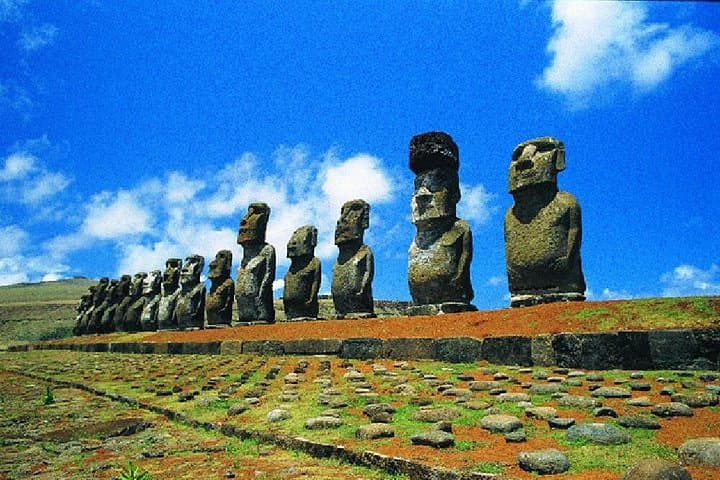
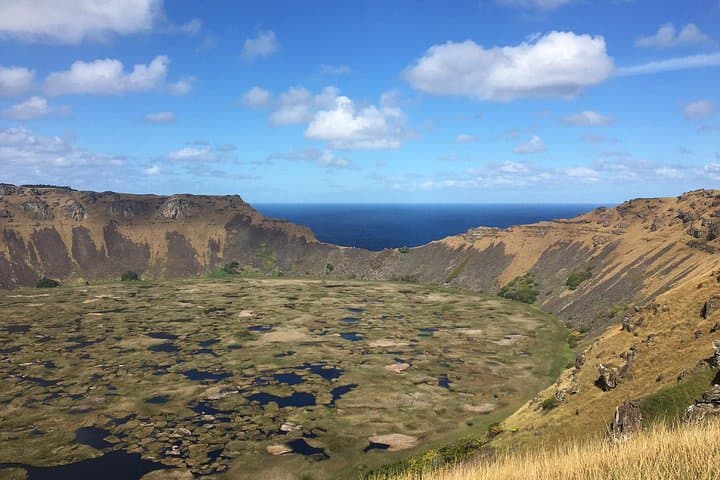
This private, 9–10 hour circuit threads the island’s geological and cultural spine: the volcanic crater of Rano Kau, the quarry at Rano Raraku where unfinished statues still rise from tuff, the red scoria saddles of Puna Pau, and the 15 reassembled monoliths of Ahu Tongariki that stare eastward at sunrise. Anakena’s white sand recalls the first Polynesian landings; Orongo’s cliff-top village tells of the Birdman cult and yearly ritual contests carved into the stone.
Geology here is blunt: volcanic cones, compacted ash and basalt outcrops sculpt the walking surfaces. Culture is immediate — moai are funerary and political markers tied to land claim and ancestor veneration, and the island’s sparse trees and shoreline reflect centuries of human impact.
Practical notes: the tour is private with local guiding in French available, and requires the Rapa Nui National Park ticket (seasonal rate; buy on arrival at the airport or village administration, cash USD is commonly accepted). Expect uneven, rocky ground and short hikes between viewpoints; pace is relaxed but the day is long. Bring sun protection, refillable water, sturdy shoes, and layering for wind and sudden coastal chill. Start early to avoid crowds at Ahu Tongariki and Rano Raraku, and respect site rules — no climbing on platforms or statues — to preserve fragile archaeology for the next visitors.
easy.
9–10 hours.
Suitable for travelers in average fitness; requires several short walks on uneven terrain and being mobile for a full day.
No — the park ticket covering most sites is not included; buy it at the airport or village administration (rates vary; cash USD often required).
The tour is designed for all fitness levels with short walks and viewpoints; expect uneven surfaces and some low-grade walking rather than sustained hiking.
The operator provides private guiding and lists French among available languages; confirm language preference at booking.
Basic facilities exist in Hanga Roa and at some major sites; bring snacks and water for the day and plan meal stops in the village.
Rapa Nui was settled by Polynesian voyagers and developed a distinctive megalithic culture; the moai mark ancestral lines and territorial claims across the island.
Visitor fees support park management, but erosion and the fragility of tuff and ahu mean visitors must not climb or touch monuments — stay on designated paths.
AROHA TOURS RAPA NUI operates guided outdoor trips and adventures with an emphasis on safety, stewardship, and memorable experiences.
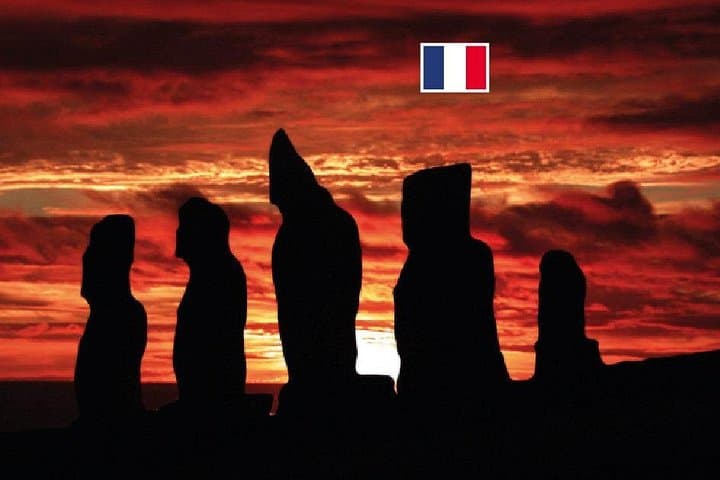
You step from the van with salt and wind already shaping the day; the South Pacific pushes a cool breath across a field of stone giants. On Easter Island, the Moai watch the horizon and the guide frames their faces with stories, science, and the steady click of camera shutters.
You step from the van with salt and wind already shaping the day; the South Pacific pushes a cool breath across a field of stone giants. On Easter Island, the Moai watch the horizon and the guide frames their faces with stories, science, and the steady click of camera shutters.
This private, 9–10 hour circuit threads the island’s geological and cultural spine: the volcanic crater of Rano Kau, the quarry at Rano Raraku where unfinished statues still rise from tuff, the red scoria saddles of Puna Pau, and the 15 reassembled monoliths of Ahu Tongariki that stare eastward at sunrise. Anakena’s white sand recalls the first Polynesian landings; Orongo’s cliff-top village tells of the Birdman cult and yearly ritual contests carved into the stone.
Geology here is blunt: volcanic cones, compacted ash and basalt outcrops sculpt the walking surfaces. Culture is immediate — moai are funerary and political markers tied to land claim and ancestor veneration, and the island’s sparse trees and shoreline reflect centuries of human impact.
Practical notes: the tour is private with local guiding in French available, and requires the Rapa Nui National Park ticket (seasonal rate; buy on arrival at the airport or village administration, cash USD is commonly accepted). Expect uneven, rocky ground and short hikes between viewpoints; pace is relaxed but the day is long. Bring sun protection, refillable water, sturdy shoes, and layering for wind and sudden coastal chill. Start early to avoid crowds at Ahu Tongariki and Rano Raraku, and respect site rules — no climbing on platforms or statues — to preserve fragile archaeology for the next visitors.