THE ADVENTURE COLLECTIVE® · Independent discovery and booking for outdoor travel

Explore Osaka’s street-food arteries on a private, customizable full-day tour that blends Kuromon Market’s century-old vendors with Shinsekai retro stalls and Namba nightlife. Designed for food lovers who want a local guide, car transfers, and the freedom to tailor stops.
Explore Osaka’s street-food arteries on a private, customizable full-day tour that blends Kuromon Market’s century-old vendors with Shinsekai retro stalls and Namba nightlife. Designed for food lovers who want a local guide, car transfers, and the freedom to tailor stops.
The day opens with the city still rubbing sleep from its eyes: a private car drops you at a narrow alley where steam curls from takoyaki grills and neon begins to pulse along the Dōtonbori canal. The guide sketches a route that stitches Shinsekai’s retro shards of Showa-era Osaka, the 200-year pulse of Kuromon Market, and Namba’s neon labyrinth into a single, digestible loop—equal parts flavor and story.
Verified experiences and guided adventures in the surrounding area.
Operated by The Washoku Club Culture and Food Tours · Osaka, Osaka Prefecture
The day opens with the city still rubbing sleep from its eyes: a private car drops you at a narrow alley where steam curls from takoyaki grills and neon begins to pulse along the Dōtonbori canal. The guide sketches a route that stitches Shinsekai’s retro shards of Showa-era Osaka, the 200-year pulse of Kuromon Market, and Namba’s neon labyrinth into a single, digestible loop—equal parts flavor and story.
Osaka’s identity has long been codified by food: kuidaore, “eat yourself into ruin,” describes a civic appetite that shaped markets, merchant culture, and social nightlife. Geologically, the city sits on the flat Osaka Plain carved by past river courses; its canalized waterways like Dōtonbori once powered commerce and now reflect signboards instead of barges.
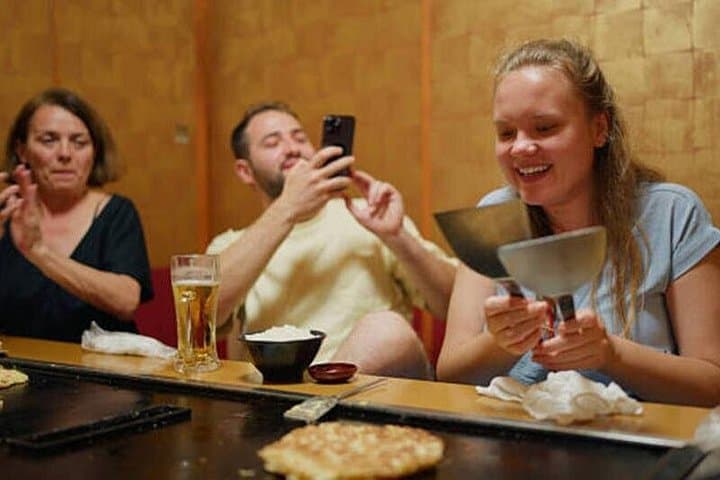
Expect hands-on street bites—takoyaki, kushikatsu, fresh sashimi at vendor counters—and guided entries into small izakaya where techniques and recipes pass family to family. Cultural notes you'll learn en route: why vendors won’t expect tips, how to use shared seating, and how Osaka’s food districts reflect its working-class roots.
Practical guidance: the tour runs 6–8 hours with 3–4 food stops and mixes short walks (total urban distance roughly 3–6 km) with car transfers. Wear comfortable walking shoes, carry local currency for small stalls, and keep a phone battery handy for maps and photos. Weather can shift—sudden rains are common in spring and summer—so layer and plan for a late-night finish if you chase Namba’s nightlife.
easy.
6–8 hours.
Suitable for most fitness levels; be able to stand and walk intermittently for several hours.
The tour typically includes some set items (snacks, desserts, water) but guests should expect to pay at certain specialty stops; confirm specifics with the operator before booking.
Yes—this private tour is tailored to preferences and restrictions if notified in advance; the guide will suggest safe stops.
Hotel pickup is included; provide the pickup point when booking and confirm timing given city traffic and pickup windows.
Yes—this tour is family-friendly; infants may need to sit on a guardian's lap and walking pace will be adjusted for younger guests.
Osaka’s food districts grew from merchant culture and markets like Kuromon, which has supplied the city for roughly two centuries; Dōtonbori was originally dug in the 17th century to boost trade.
Support small vendors by buying directly, minimize single-use plastics, and avoid wasting food—markets rely on sustainable customer practices.
The Washoku Club Culture and Food Tours operates guided outdoor trips and adventures with an emphasis on safety, stewardship, and memorable experiences.
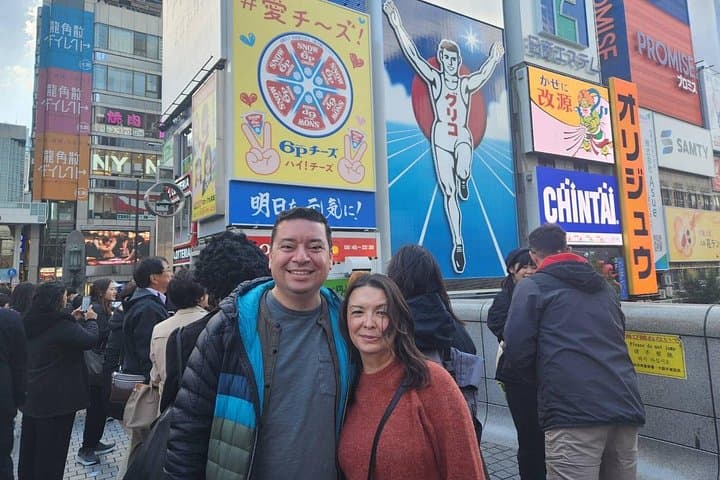
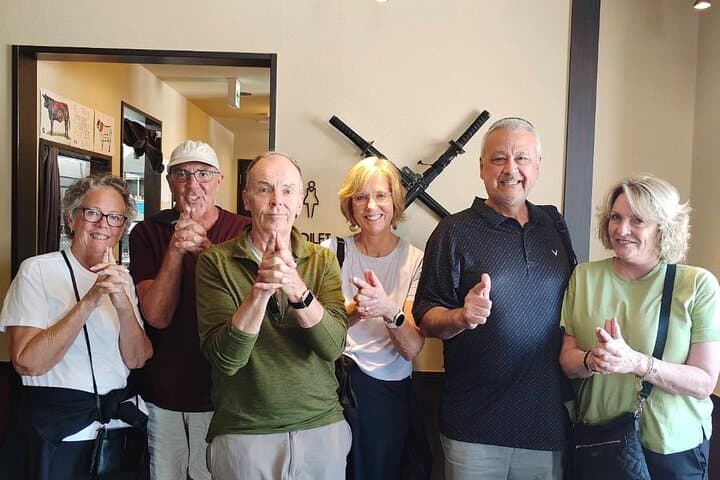

The day opens with the city still rubbing sleep from its eyes: a private car drops you at a narrow alley where steam curls from takoyaki grills and neon begins to pulse along the Dōtonbori canal. The guide sketches a route that stitches Shinsekai’s retro shards of Showa-era Osaka, the 200-year pulse of Kuromon Market, and Namba’s neon labyrinth into a single, digestible loop—equal parts flavor and story.
The day opens with the city still rubbing sleep from its eyes: a private car drops you at a narrow alley where steam curls from takoyaki grills and neon begins to pulse along the Dōtonbori canal. The guide sketches a route that stitches Shinsekai’s retro shards of Showa-era Osaka, the 200-year pulse of Kuromon Market, and Namba’s neon labyrinth into a single, digestible loop—equal parts flavor and story.
Osaka’s identity has long been codified by food: kuidaore, “eat yourself into ruin,” describes a civic appetite that shaped markets, merchant culture, and social nightlife. Geologically, the city sits on the flat Osaka Plain carved by past river courses; its canalized waterways like Dōtonbori once powered commerce and now reflect signboards instead of barges.
Expect hands-on street bites—takoyaki, kushikatsu, fresh sashimi at vendor counters—and guided entries into small izakaya where techniques and recipes pass family to family. Cultural notes you'll learn en route: why vendors won’t expect tips, how to use shared seating, and how Osaka’s food districts reflect its working-class roots.
Practical guidance: the tour runs 6–8 hours with 3–4 food stops and mixes short walks (total urban distance roughly 3–6 km) with car transfers. Wear comfortable walking shoes, carry local currency for small stalls, and keep a phone battery handy for maps and photos. Weather can shift—sudden rains are common in spring and summer—so layer and plan for a late-night finish if you chase Namba’s nightlife.