THE ADVENTURE COLLECTIVE® · Independent discovery and booking for outdoor travel

Spend a day with a government‑licensed guide exploring Nikko’s shrines, waterfalls and volcanic landscapes. Customize a 3–4 stop itinerary to match your interests—history, scenic overlooks, or lakeside walks.
Spend a day with a government‑licensed guide exploring Nikko’s shrines, waterfalls and volcanic landscapes. Customize a 3–4 stop itinerary to match your interests—history, scenic overlooks, or lakeside walks.
A cool morning mist clings to cedar-lined approach roads as you step off the train into Nikko. Your licensed guide meets you on foot and, within minutes, the town’s layered history and mountain geology begin to unfurl: lacquered gates leading to carved monkeys, the thunder of Kegon Falls, and the wide mirror of Lake Chuzenji reflecting craggy peaks.
Verified experiences and guided adventures in the surrounding area.
Operated by Japan Guide Agency · Nikko, Tochigi
A cool morning mist clings to cedar-lined approach roads as you step off the train into Nikko. Your licensed guide meets you on foot and, within minutes, the town’s layered history and mountain geology begin to unfurl: lacquered gates leading to carved monkeys, the thunder of Kegon Falls, and the wide mirror of Lake Chuzenji reflecting craggy peaks.
Nikko’s concentration of 17th‑century Tokugawa architecture—Toshogu’s gilded carvings and the sleeping cat relief—tells the story of Edo-era patronage and craftsmanship. Geologically, the valley and its gorges were shaped by volcanic Mount Nantai and successive pyroclastic flows, giving rise to basalt ridges, waterfalls, and the marshy Senjogahara plateau. Local culture still balances shrine ritual with mountain reverence; small Jizo statues line the Kanmangafuchi Abyss like quiet guardians.
The private tour model lets you choose three to four stops—popular combinations pair Toshogu, Rinnoji and Futarasan with Kegon Falls and Lake Chuzenji or Akechidaira for panoramic views. Expect mostly paved paths and short climbs; some sites have stepped approaches and seasonal crowding.
Practical guidance: start early to sidestep tour-bus peaks, carry cash for small temple fees, and bring a light rain layer—the weather can change quickly at elevation. If coming from Tokyo, allow two-plus hours each way by train or car. Comfortable walking shoes and a charged phone for photos (and offline maps) will keep the day moving. With local knowledge and a flexible itinerary, a full day in Nikko becomes a compact, richly layered encounter with Japan’s mountain spirit and history.
easy.
4 hours.
Suitable for most fitness levels; expect 2–4 km of walking on paved and stepped surfaces with short climbs.
Most shrine and temple fees can be paid on arrival; your guide can advise and purchase tickets if you prefer.
Many central shrine areas and some lakeside promenades are accessible, but some old temple buildings have steps—notify the operator to customize the route.
By train it takes just over two hours (Tobu or JR lines); driving times vary with traffic—plan extra time on weekends and holidays.
Yes—this private tour is customizable, but inform your guide of priorities in advance to maximize time.
Nikko rose to prominence in the early Edo period when the Tokugawa shogunate built lavish mausoleums and shrines to legitimize rule, leaving an unusually dense cluster of decorated 17th‑century architecture.
The Nikko area is managed as a national park and World Heritage buffer—stay on marked paths, carry out trash, and avoid feeding wildlife to protect fragile alpine and marsh habitats.
Japan Guide Agency operates guided outdoor trips and adventures with an emphasis on safety, stewardship, and memorable experiences.
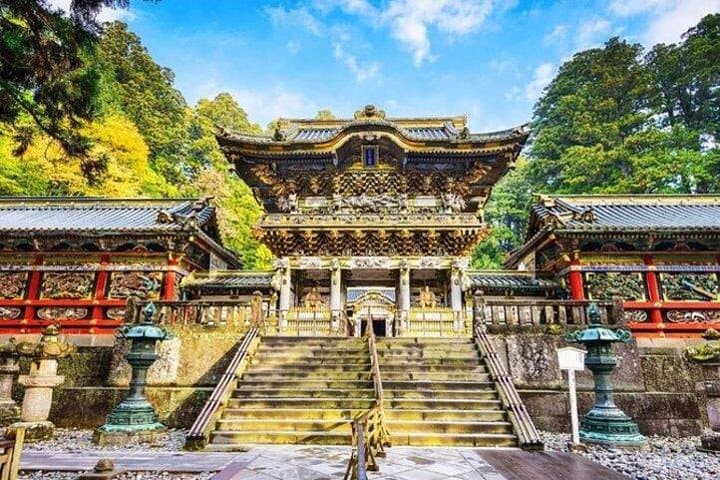
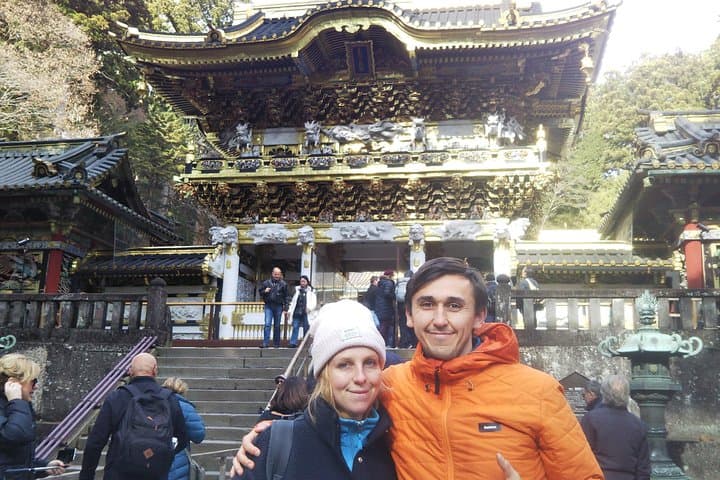
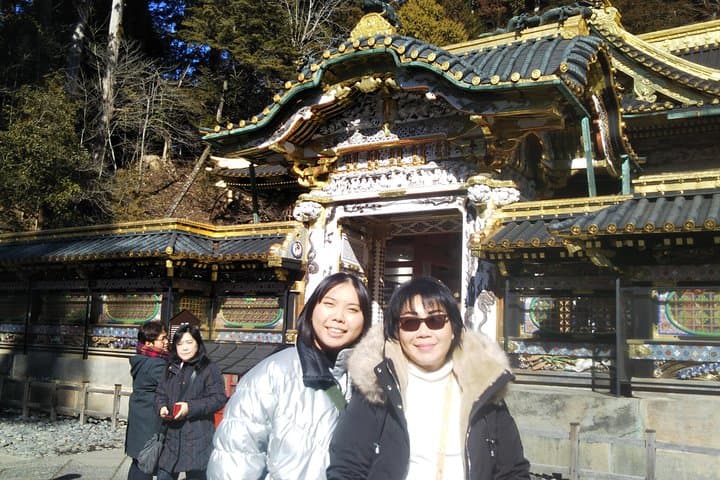
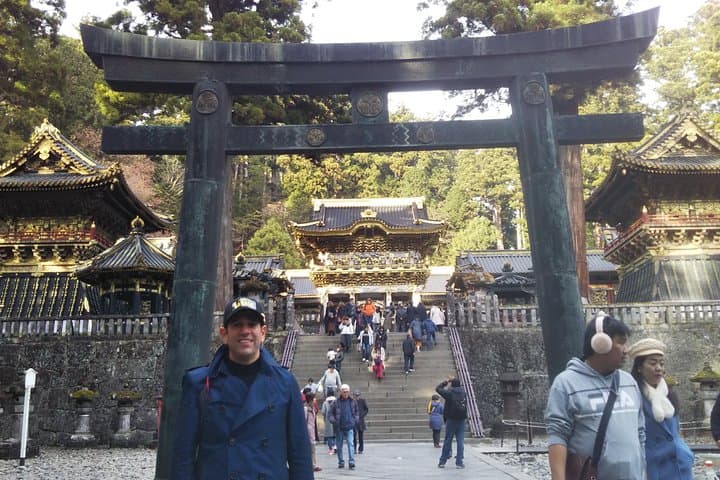
A cool morning mist clings to cedar-lined approach roads as you step off the train into Nikko. Your licensed guide meets you on foot and, within minutes, the town’s layered history and mountain geology begin to unfurl: lacquered gates leading to carved monkeys, the thunder of Kegon Falls, and the wide mirror of Lake Chuzenji reflecting craggy peaks.
A cool morning mist clings to cedar-lined approach roads as you step off the train into Nikko. Your licensed guide meets you on foot and, within minutes, the town’s layered history and mountain geology begin to unfurl: lacquered gates leading to carved monkeys, the thunder of Kegon Falls, and the wide mirror of Lake Chuzenji reflecting craggy peaks.
Nikko’s concentration of 17th‑century Tokugawa architecture—Toshogu’s gilded carvings and the sleeping cat relief—tells the story of Edo-era patronage and craftsmanship. Geologically, the valley and its gorges were shaped by volcanic Mount Nantai and successive pyroclastic flows, giving rise to basalt ridges, waterfalls, and the marshy Senjogahara plateau. Local culture still balances shrine ritual with mountain reverence; small Jizo statues line the Kanmangafuchi Abyss like quiet guardians.
The private tour model lets you choose three to four stops—popular combinations pair Toshogu, Rinnoji and Futarasan with Kegon Falls and Lake Chuzenji or Akechidaira for panoramic views. Expect mostly paved paths and short climbs; some sites have stepped approaches and seasonal crowding.
Practical guidance: start early to sidestep tour-bus peaks, carry cash for small temple fees, and bring a light rain layer—the weather can change quickly at elevation. If coming from Tokyo, allow two-plus hours each way by train or car. Comfortable walking shoes and a charged phone for photos (and offline maps) will keep the day moving. With local knowledge and a flexible itinerary, a full day in Nikko becomes a compact, richly layered encounter with Japan’s mountain spirit and history.