THE ADVENTURE COLLECTIVE® · Independent discovery and booking for outdoor travel

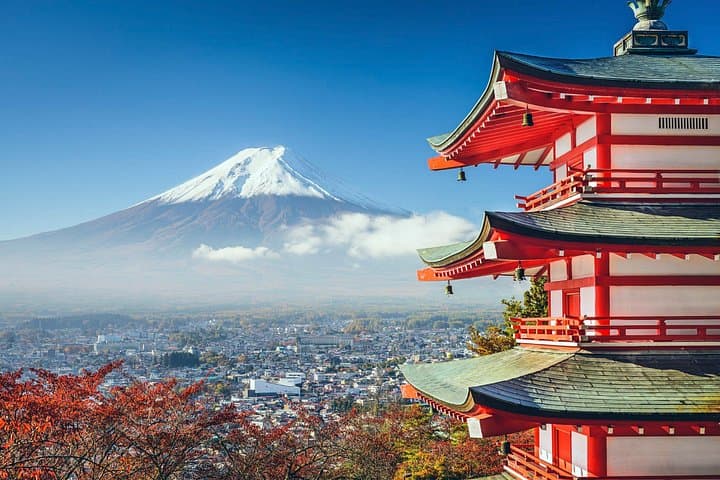
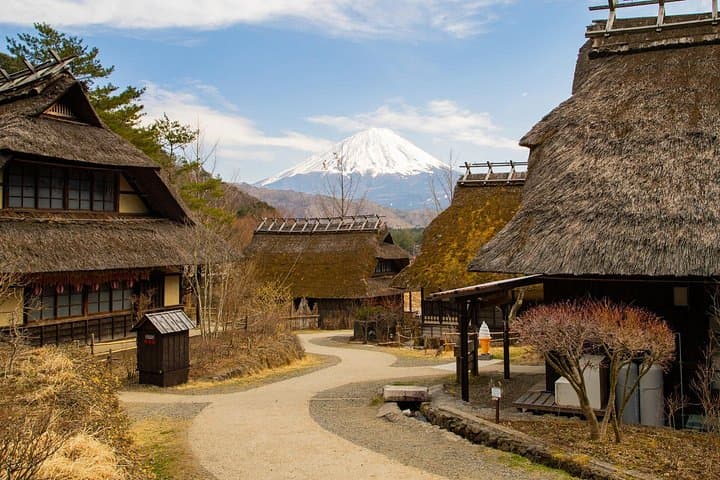
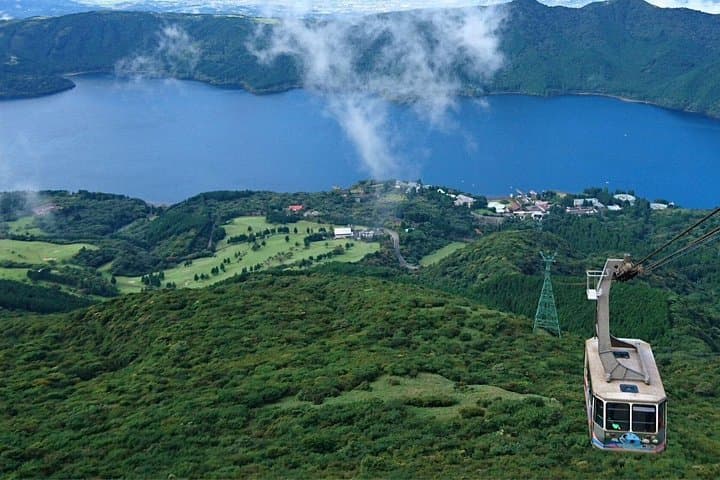
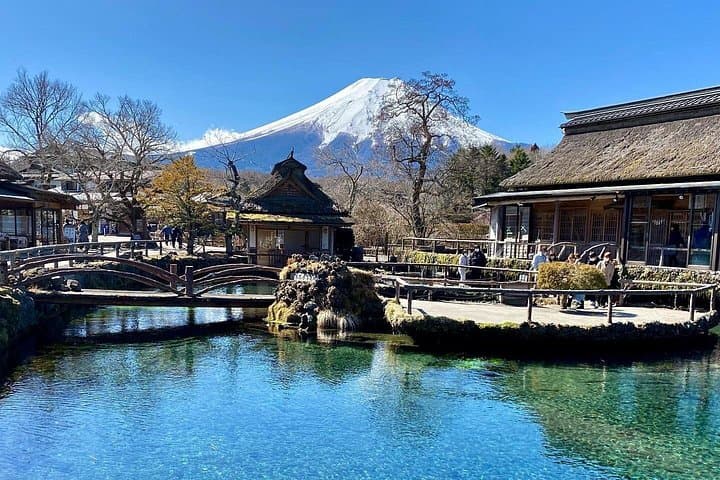
Spend a full day exploring Mount Fuji’s cultural and natural highlights on a private tour from Tokyo. Visit Hakone’s Lake Ashi and Komagatake Ropeway, the reconstructed village at Iyashi no Sato, Oshino Hakkai’s clear ponds, and the Chureito Pagoda viewpoint.
Spend a full day exploring Mount Fuji’s cultural and natural highlights on a private tour from Tokyo. Visit Hakone’s Lake Ashi and Komagatake Ropeway, the reconstructed village at Iyashi no Sato, Oshino Hakkai’s clear ponds, and the Chureito Pagoda viewpoint.
You step out of an air‑conditioned van and the sky opens: Mount Fuji sits distant and indifferent, its cone pushing through a band of cloud while cedar trunks line the approach to Kitaguchi Hongu Fuji Sengen Shrine. The tour threads together two different faces of the mountain — the formal, spiritual approach at Sengen Shrine and the living landscape around Hakone’s Lake Ashi and Komagatake.
Verified experiences and guided adventures in the surrounding area.
Operated by Unemoto LLC · Hakone, Kanagawa
You step out of an air‑conditioned van and the sky opens: Mount Fuji sits distant and indifferent, its cone pushing through a band of cloud while cedar trunks line the approach to Kitaguchi Hongu Fuji Sengen Shrine. The tour threads together two different faces of the mountain — the formal, spiritual approach at Sengen Shrine and the living landscape around Hakone’s Lake Ashi and Komagatake.
Geology here is blunt and readable: layers of volcanic lava and ash from past eruptions shaped the Fuji Five Lakes and produced the porous pumice that filters snowmelt into the famed Oshino Hakkai springs. Cultural layers are equally visible — Chureito Pagoda’s stair climb (roughly 400 steps) and the reconstructed thatched houses at Iyashi no Sato recall agrarian life that persisted until mid‑20th century storms.
The day is organized as a series of short walks, viewpoints and museum stops rather than a single long hike. Expect paved village lanes, shrine approaches with stone steps, boardwalks around ponds, and a brief cable‑car ascent on the Komagatake Ropeway for broad vistas.
Practical guidance: depart Tokyo early (1.5–2 hours each way depending on traffic) to maximize Fuji visibility; mornings are usually clearest. Bring layered clothing, small bills for local stalls, and footwear suitable for uneven paths. Be mindful at sacred sites — remove hats and speak softly — and allow extra time for photography at Chureito and Oshino Hakkai when light and weather cooperate.
easy.
8–10 hours.
Moderate level of fitness for short walks, stairs (up to ~400 steps) and standing at viewpoints
Typical driving time is about 1.5–2 hours each way depending on traffic; mornings and weekends may be busier.
This tour description indicates admissions are generally not included, so check your booking or expect to pay entrance fees on the day.
Yes — the tour notes stroller accessibility for infants, but some sites have steps where parents may need to carry children.
Late autumn through early spring often offers clearer skies and visibility, while summer can be hazier with more cloud cover.
Kitaguchi Hongu Fuji Sengen Shrine has been a spiritual gateway to Fuji for centuries and is part of the mountain’s World Heritage assets; Iyashi no Sato preserves traditional thatched‑roof architecture rebuilt after a 1966 landslide.
The region relies on careful visitor behavior to protect water clarity and forested approaches — stick to trails, avoid littering, and do not take water from the springs.
Unemoto LLC operates guided outdoor trips and adventures with an emphasis on safety, stewardship, and memorable experiences.
You step out of an air‑conditioned van and the sky opens: Mount Fuji sits distant and indifferent, its cone pushing through a band of cloud while cedar trunks line the approach to Kitaguchi Hongu Fuji Sengen Shrine. The tour threads together two different faces of the mountain — the formal, spiritual approach at Sengen Shrine and the living landscape around Hakone’s Lake Ashi and Komagatake.
You step out of an air‑conditioned van and the sky opens: Mount Fuji sits distant and indifferent, its cone pushing through a band of cloud while cedar trunks line the approach to Kitaguchi Hongu Fuji Sengen Shrine. The tour threads together two different faces of the mountain — the formal, spiritual approach at Sengen Shrine and the living landscape around Hakone’s Lake Ashi and Komagatake.
Geology here is blunt and readable: layers of volcanic lava and ash from past eruptions shaped the Fuji Five Lakes and produced the porous pumice that filters snowmelt into the famed Oshino Hakkai springs. Cultural layers are equally visible — Chureito Pagoda’s stair climb (roughly 400 steps) and the reconstructed thatched houses at Iyashi no Sato recall agrarian life that persisted until mid‑20th century storms.
The day is organized as a series of short walks, viewpoints and museum stops rather than a single long hike. Expect paved village lanes, shrine approaches with stone steps, boardwalks around ponds, and a brief cable‑car ascent on the Komagatake Ropeway for broad vistas.
Practical guidance: depart Tokyo early (1.5–2 hours each way depending on traffic) to maximize Fuji visibility; mornings are usually clearest. Bring layered clothing, small bills for local stalls, and footwear suitable for uneven paths. Be mindful at sacred sites — remove hats and speak softly — and allow extra time for photography at Chureito and Oshino Hakkai when light and weather cooperate.