THE ADVENTURE COLLECTIVE® · Independent discovery and booking for outdoor travel

A private full-day journey from Thessaloniki to Meteora that pairs dramatic rock formations with historic cliff-top monasteries and sunset viewpoints. Expect several photo stops, short walks up stone steps, and local cultural insights.
A private full-day journey from Thessaloniki to Meteora that pairs dramatic rock formations with historic cliff-top monasteries and sunset viewpoints. Expect several photo stops, short walks up stone steps, and local cultural insights.
You arrive on a long road that opens suddenly: vertical grey pillars of sandstone rise like an army of cliffs, and the wind threads through narrow slots as if testing your resolve. Meteora’s rocks breathe; their faces keep the weather’s memory and dare you to climb closer for the best light.
Verified experiences and guided adventures in the surrounding area.
Operated by Liontransfer · Kalambaka, Thessaly
You arrive on a long road that opens suddenly: vertical grey pillars of sandstone rise like an army of cliffs, and the wind threads through narrow slots as if testing your resolve. Meteora’s rocks breathe; their faces keep the weather’s memory and dare you to climb closer for the best light.
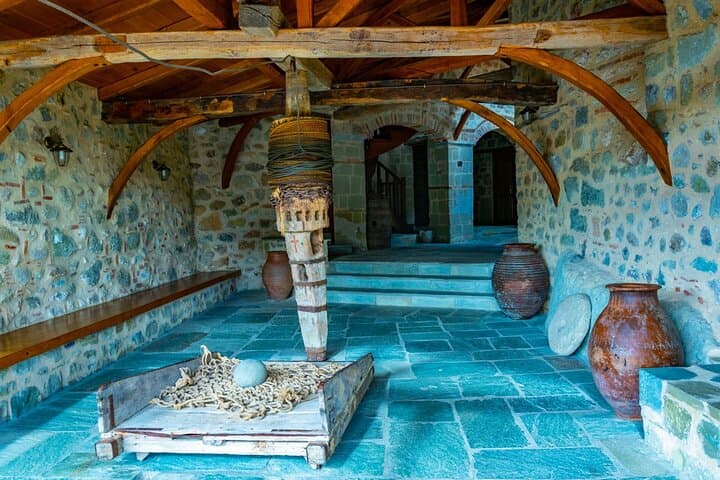
Carved by rivers and time, Meteora’s pillars are a product of Tertiary-era sediments and millennia of erosion. By the 14th century hermit monks were using the cliffs’ caves for solitude; later, full monasteries were hoisted to the summits, accessible only by ladders and rope systems. Today six active monasteries preserve Byzantine frescoes and daily rites — a cultural corridor between nature and faith.
The route from Thessaloniki crosses Thessaly’s plains before threading into the Pindus foothills; Kalambaka and the small village of Kastraki act as practical bases. Expect paved lookout turnout stops, short stair climbs to monastery entrances, and narrow service roads that yield dramatic photo angles. Sunset amplifies the vertical relief; the rocks take on ochre and steel.
Practical edge: this private full-day tour includes round-trip transport, bottled water and an air‑conditioned vehicle, but monastery entrances sometimes charge small fees and enforce conservative dress (shoulders and knees covered). Wear stable shoes for uneven stone steps, carry layered clothing for windy ridge-top conditions, and plan for multiple photo stops. If you seek fewer crowds, request earlier or later time slots — light and solitude change the experience more than a single extra hour.
moderate.
11–12 hours.
Moderate stamina for long vehicle transfers and short uphill walks; able to manage stairs and uneven surfaces.
Admission fees are usually not included; most monasteries charge a small fee paid on-site and require modest dress.
Expect about 3 to 3.5 hours each way with a short coffee break en route; total tour time is roughly 11–12 hours.
Short walks and stairs are involved; the tour is family-friendly but not ideal for travelers with significant mobility limitations.
Photography rules vary—exterior views and monastery courtyards are usually permitted, but cameras may be restricted inside chapels and when services are in progress.
Meteora became a major monastic center from the 14th century when monks sought seclusion on the pillars; the complex is a UNESCO World Heritage site for its cultural and natural values.
Rising visitor numbers strain fragile soils and frescoes—stick to marked paths, follow monastery rules, and support local guides to reduce impact.
Liontransfer operates guided outdoor trips and adventures with an emphasis on safety, stewardship, and memorable experiences.
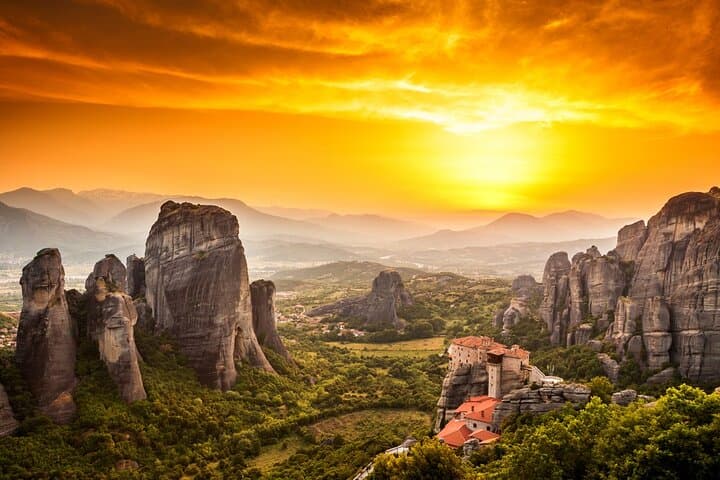


You arrive on a long road that opens suddenly: vertical grey pillars of sandstone rise like an army of cliffs, and the wind threads through narrow slots as if testing your resolve. Meteora’s rocks breathe; their faces keep the weather’s memory and dare you to climb closer for the best light.
You arrive on a long road that opens suddenly: vertical grey pillars of sandstone rise like an army of cliffs, and the wind threads through narrow slots as if testing your resolve. Meteora’s rocks breathe; their faces keep the weather’s memory and dare you to climb closer for the best light.
Carved by rivers and time, Meteora’s pillars are a product of Tertiary-era sediments and millennia of erosion. By the 14th century hermit monks were using the cliffs’ caves for solitude; later, full monasteries were hoisted to the summits, accessible only by ladders and rope systems. Today six active monasteries preserve Byzantine frescoes and daily rites — a cultural corridor between nature and faith.
The route from Thessaloniki crosses Thessaly’s plains before threading into the Pindus foothills; Kalambaka and the small village of Kastraki act as practical bases. Expect paved lookout turnout stops, short stair climbs to monastery entrances, and narrow service roads that yield dramatic photo angles. Sunset amplifies the vertical relief; the rocks take on ochre and steel.
Practical edge: this private full-day tour includes round-trip transport, bottled water and an air‑conditioned vehicle, but monastery entrances sometimes charge small fees and enforce conservative dress (shoulders and knees covered). Wear stable shoes for uneven stone steps, carry layered clothing for windy ridge-top conditions, and plan for multiple photo stops. If you seek fewer crowds, request earlier or later time slots — light and solitude change the experience more than a single extra hour.