THE ADVENTURE COLLECTIVE® · Independent discovery and booking for outdoor travel

Set out from Hoedspruit before sunrise in an open vehicle to search for Kruger’s Big Five. Expect an eight-hour guided day with river viewpoints, rest camp breaks, and optimal wildlife viewing in early morning and late afternoon.
Set out from Hoedspruit before sunrise in an open vehicle to search for Kruger’s Big Five. Expect an eight-hour guided day with river viewpoints, rest camp breaks, and optimal wildlife viewing in early morning and late afternoon.
Before dawn the open vehicle rolls through a lowveld hush, headlights carving a path between mopane trees and long grass that bristles with dew. Guides scan the horizon with practiced patience; a distant ripple of movement speaks of elephants on the move and lions easing out of their night cover. The day in Kruger is paced by light — cool, predawn game drives give way to hot midday rest stops and late-afternoon activity when predators and prey both decide to move.
Verified experiences and guided adventures in the surrounding area.
Operated by MoAfrika Tours · Hoedspruit, Limpopo
Before dawn the open vehicle rolls through a lowveld hush, headlights carving a path between mopane trees and long grass that bristles with dew. Guides scan the horizon with practiced patience; a distant ripple of movement speaks of elephants on the move and lions easing out of their night cover. The day in Kruger is paced by light — cool, predawn game drives give way to hot midday rest stops and late-afternoon activity when predators and prey both decide to move.
Kruger National Park, founded in 1898 and later named for President Paul Kruger, sits on ancient granite and gneiss basins cut by seasonal rivers. The park’s geology shapes its ecology: riverine corridors feed dense forest pockets while broad savanna supports herds of buffalo and impala. Local culture around Hoedspruit blends small-town Limpopo rhythms with conservation-oriented tourism; many guides are born and raised here and read the land like a map.
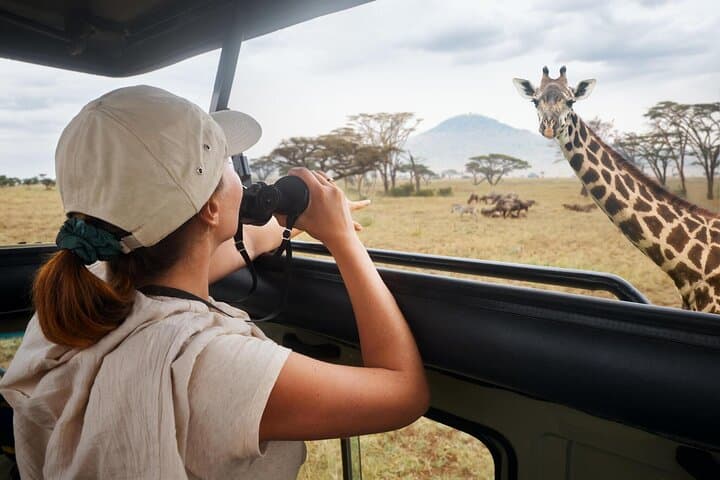
On a private full-day open vehicle safari expect an 8‑hour itinerary, a professional guide leading up to nine passengers, stops at river viewpoints, and a break at a rest camp for breakfast packs or optional snacks. Wildlife sighting is never guaranteed, but mornings and late afternoons offer the best odds for Big Five encounters. Practical prep matters: layer for early cold and midday heat, bring binoculars, hydrate, and follow the guide’s safety rules — stay seated, keep limbs inside the vehicle, and respect animals’ space. This is a day built around patient watching, sudden excitement, and the careful art of reading tracks and bird calls in one of Africa’s premier reserves.
easy.
8 hours.
Suitable for most fitness levels — requires ability to get on/off the vehicle and sit for long periods
Pickups are before sunrise; the full-day open vehicle tour runs roughly eight hours and returns to Hoedspruit in the afternoon.
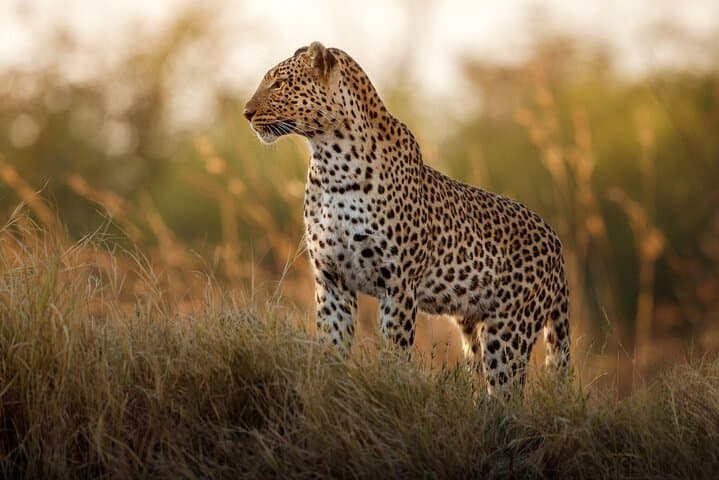
Guides maximize chances by visiting waterholes and lookout points, but wildlife is wild — sightings of the Big Five are possible but not guaranteed.
Breakfast packs and vehicle stops are provided, but full meals and additional snacks at rest camps are typically at your own expense.
The tour accommodates a range of ages and fitness levels, but vehicle access involves steps and long periods seated; check with the operator about specific mobility needs.
Kruger National Park was formalized in the late 19th century and named after Paul Kruger; it preserves landscapes and species across a mosaic of ancient rock and seasonal rivers.
Responsible viewing—staying in vehicles, not feeding animals, and supporting anti-poaching and community outreach programs—helps protect Kruger’s wildlife and local livelihoods.
MoAfrika Tours operates guided outdoor trips and adventures with an emphasis on safety, stewardship, and memorable experiences.
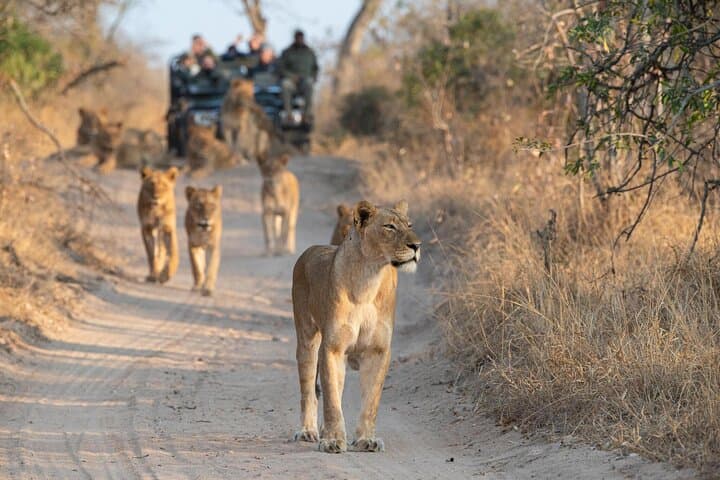
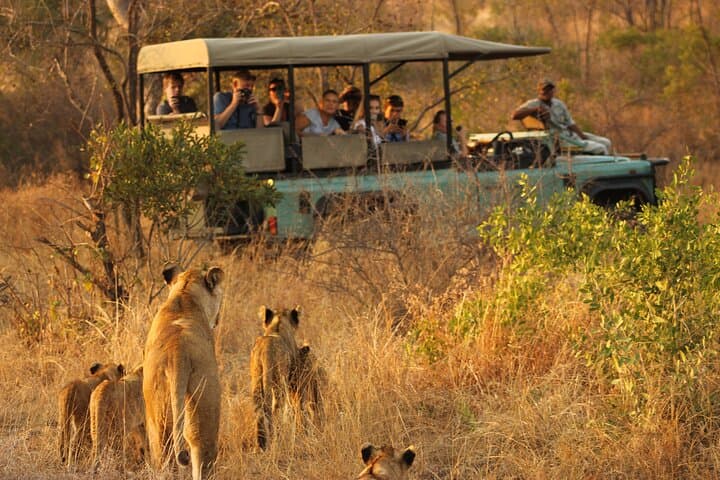
Before dawn the open vehicle rolls through a lowveld hush, headlights carving a path between mopane trees and long grass that bristles with dew. Guides scan the horizon with practiced patience; a distant ripple of movement speaks of elephants on the move and lions easing out of their night cover. The day in Kruger is paced by light — cool, predawn game drives give way to hot midday rest stops and late-afternoon activity when predators and prey both decide to move.
Before dawn the open vehicle rolls through a lowveld hush, headlights carving a path between mopane trees and long grass that bristles with dew. Guides scan the horizon with practiced patience; a distant ripple of movement speaks of elephants on the move and lions easing out of their night cover. The day in Kruger is paced by light — cool, predawn game drives give way to hot midday rest stops and late-afternoon activity when predators and prey both decide to move.
Kruger National Park, founded in 1898 and later named for President Paul Kruger, sits on ancient granite and gneiss basins cut by seasonal rivers. The park’s geology shapes its ecology: riverine corridors feed dense forest pockets while broad savanna supports herds of buffalo and impala. Local culture around Hoedspruit blends small-town Limpopo rhythms with conservation-oriented tourism; many guides are born and raised here and read the land like a map.
On a private full-day open vehicle safari expect an 8‑hour itinerary, a professional guide leading up to nine passengers, stops at river viewpoints, and a break at a rest camp for breakfast packs or optional snacks. Wildlife sighting is never guaranteed, but mornings and late afternoons offer the best odds for Big Five encounters. Practical prep matters: layer for early cold and midday heat, bring binoculars, hydrate, and follow the guide’s safety rules — stay seated, keep limbs inside the vehicle, and respect animals’ space. This is a day built around patient watching, sudden excitement, and the careful art of reading tracks and bird calls in one of Africa’s premier reserves.