THE ADVENTURE COLLECTIVE® · Independent discovery and booking for outdoor travel

Experience Konya’s deep Sufi history and Seljuk architecture on a private full-day tour from Istanbul. Visit the Mevlana Museum, Ince Minaret and Karatay Madrasah with a licensed guide and private transport.
Experience Konya’s deep Sufi history and Seljuk architecture on a private full-day tour from Istanbul. Visit the Mevlana Museum, Ince Minaret and Karatay Madrasah with a licensed guide and private transport.
You step out of the van onto sun-baked stone and the plain exhales around you — Konya’s flat horizon pushes the sky wide and the air tastes of dry grass and simmering history.
Verified experiences and guided adventures in the surrounding area.
Operated by Trip Now Travel & Events · Konya, Konya Province
You step out of the van onto sun-baked stone and the plain exhales around you — Konya’s flat horizon pushes the sky wide and the air tastes of dry grass and simmering history.
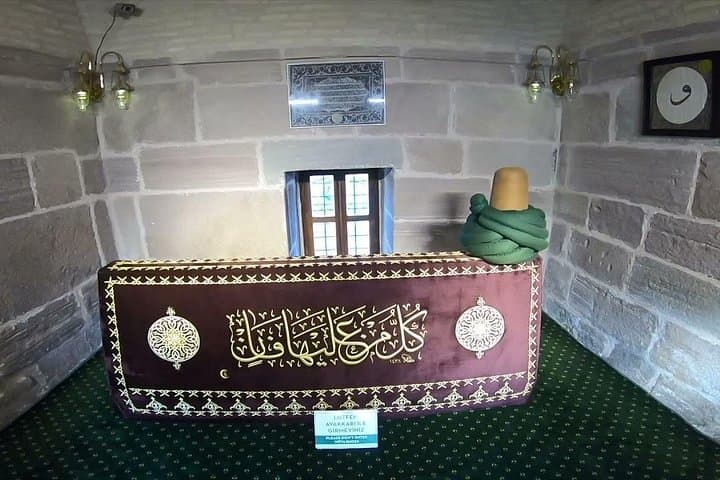
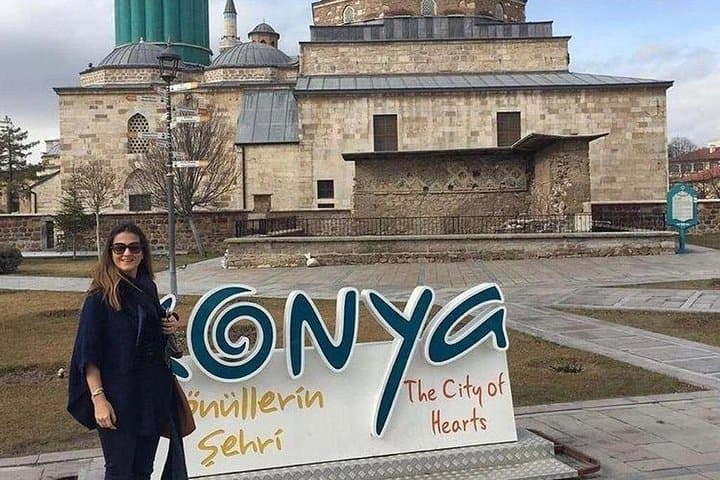
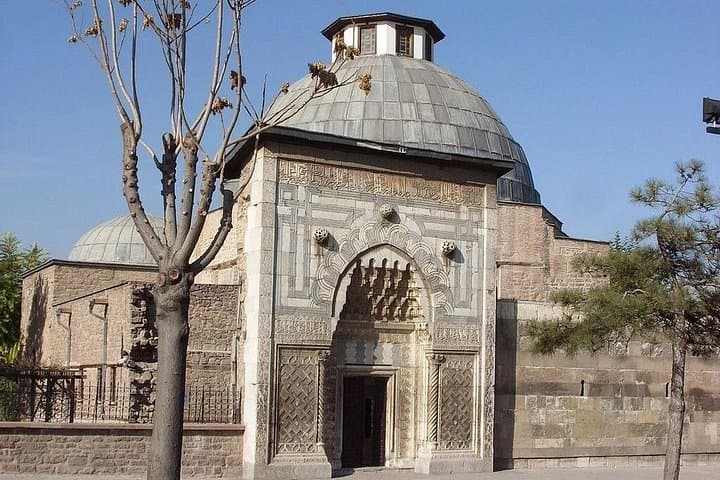
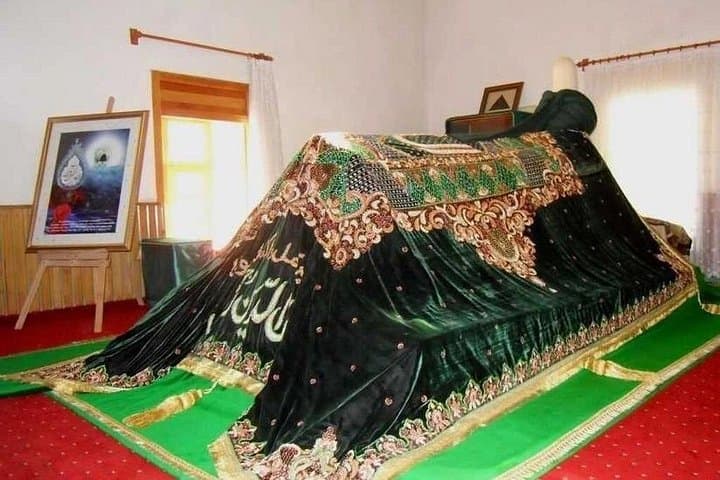
This full-day private tour centers on Mevlana Museum, the tomb of Jalaluddin Rumi, and a compact cluster of 13th-century Seljuk schools and minarets. The route threads through Seljuk stonework: the Ince Minaret and Karatay Madrasah display carved tiles and calligraphy that still cut like handwriting from another age. The Whirling Dervishes’ legacy is tangible here — devotional practice shaped by Sufi theology and the discipline of motion.
Geologically, Konya sits on the Central Anatolian plateau, a broad steppe once shaped by shallow seas and volcanic uplifts; the expansive plain frames views rather than hiding them. Culturally, this is a city of pilgrimage, scholarship, and austere courtly art: expect mosque courtyards, tomb chambers, and museum rooms packed with Seljuk-era ceramics and Qur’anic scripts.
Practical guidance: bring modest clothing for mosque and museum entry, comfortable shoes for paved and sometimes uneven surfaces, and a sun hat for the exposed plazas. Plan for a long day — travel from Istanbul usually involves early flight or a long road transfer; check pickup and flight details in advance. Lunch commonly includes Konya’s etli ekmek and ayran; dietary needs should be flagged when booking. Carry water, respect quiet zones at shrines, and allow time at the Mevlana Museum to absorb both artifacts and the calm that draws visitors back.
easy.
12–14 hours.
Suitable for travelers in average fitness—mostly walking on paved areas with some steps; minimal exertion required.
Yes — the tour asks for passport details at booking and you should carry your passport or a copy for airport transfers and identification.
Some visits list admission included for specific sites like Karatay and Ince Minaret museums; confirm with the operator before booking.
The tour notes wheelchair accessibility, but historic sites have steps and uneven surfaces—contact the operator to confirm accessibility of specific stops.
The tour focuses on sites tied to Mevlana and Sufi history; performances are scheduled separately and are not guaranteed as part of this itinerary unless specified.
Konya was the Seljuk Sultanate’s cultural capital in the 12th–13th centuries and later became a center for Sufi thought after Rumi settled and taught here.
Historic buildings are vulnerable to visitor pressure and pollution; stick to paths, avoid touching delicate tiles, and support local guides and museums that invest in preservation.
Trip Now Travel & Events operates guided outdoor trips and adventures with an emphasis on safety, stewardship, and memorable experiences.
You step out of the van onto sun-baked stone and the plain exhales around you — Konya’s flat horizon pushes the sky wide and the air tastes of dry grass and simmering history.
You step out of the van onto sun-baked stone and the plain exhales around you — Konya’s flat horizon pushes the sky wide and the air tastes of dry grass and simmering history.
This full-day private tour centers on Mevlana Museum, the tomb of Jalaluddin Rumi, and a compact cluster of 13th-century Seljuk schools and minarets. The route threads through Seljuk stonework: the Ince Minaret and Karatay Madrasah display carved tiles and calligraphy that still cut like handwriting from another age. The Whirling Dervishes’ legacy is tangible here — devotional practice shaped by Sufi theology and the discipline of motion.
Geologically, Konya sits on the Central Anatolian plateau, a broad steppe once shaped by shallow seas and volcanic uplifts; the expansive plain frames views rather than hiding them. Culturally, this is a city of pilgrimage, scholarship, and austere courtly art: expect mosque courtyards, tomb chambers, and museum rooms packed with Seljuk-era ceramics and Qur’anic scripts.
Practical guidance: bring modest clothing for mosque and museum entry, comfortable shoes for paved and sometimes uneven surfaces, and a sun hat for the exposed plazas. Plan for a long day — travel from Istanbul usually involves early flight or a long road transfer; check pickup and flight details in advance. Lunch commonly includes Konya’s etli ekmek and ayran; dietary needs should be flagged when booking. Carry water, respect quiet zones at shrines, and allow time at the Mevlana Museum to absorb both artifacts and the calm that draws visitors back.