THE ADVENTURE COLLECTIVE® · Independent discovery and booking for outdoor travel

Set out before dawn from Cusco for a private, paced ascent to Vinicunca (Rainbow Mountain). Expect striking mineral bands, glacier backdrops, high puna scenery, and cultural encounters—paired with practical altitude and weather considerations.
Set out before dawn from Cusco for a private, paced ascent to Vinicunca (Rainbow Mountain). Expect striking mineral bands, glacier backdrops, high puna scenery, and cultural encounters—paired with practical altitude and weather considerations.
A cold predawn van slips out of Cusco and the Andes open like a map: wide, folded ridges, herds of llamas outlined against blue light and the high spine of Ausangate holding snow. By the time the sun hits the puna grasses you’ve reached Cusipata for breakfast, then climb higher to the trailhead at about 4,326 m and step into thin air and a landscape that feels older than time.
Verified experiences and guided adventures in the surrounding area.
Operated by Ausangate trail · Cusco, Cusco Region
A cold predawn van slips out of Cusco and the Andes open like a map: wide, folded ridges, herds of llamas outlined against blue light and the high spine of Ausangate holding snow. By the time the sun hits the puna grasses you’ve reached Cusipata for breakfast, then climb higher to the trailhead at about 4,326 m and step into thin air and a landscape that feels older than time.
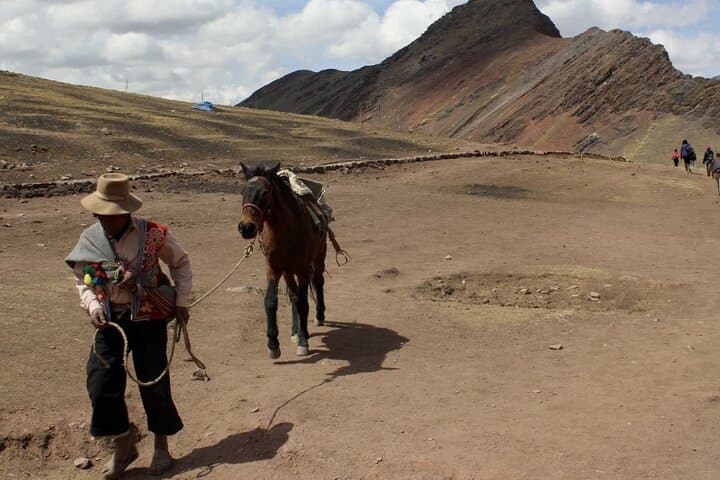
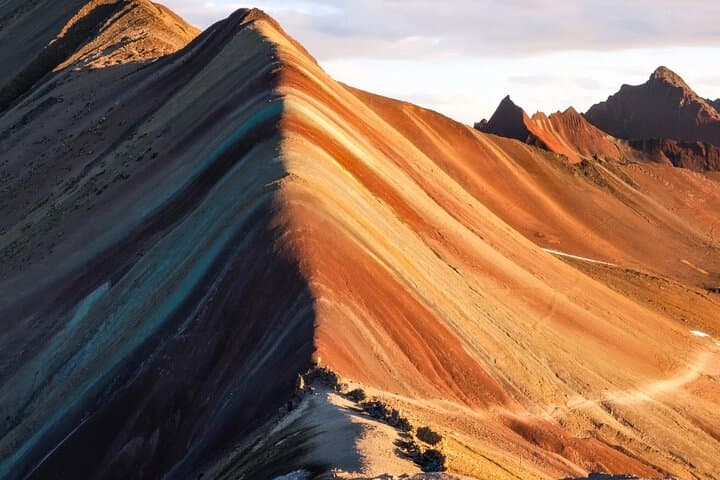
Geology explains the color: layers of iron-rich, sulfur, and clay sediments uplifted and eroded to reveal banded hues stretching across the slope. The mountain sits in the Ausangate range, an area long traversed by Andean communities whose Quechua-speaking descendants still tend alpaca and practice seasonal pastoralism.
On a clear day the summit view at ~5,020 m frames serrated glaciers and distant pampas; clouds push and peel with urgency, giving the light a cinematic quality. Signs of human history show up in high-altitude trails and shrines where locals perform offerings to the land.
Practical guidance: this private tour allows flexible pacing—use it to acclimate and ascend slowly. Expect a 1–1.5 hour uphill hike each way depending on pace and stops, rocky and often dusty terrain, limited facilities, and strong daytime sun. Hydrate, layer for wind and sun, carry snacks and a rain shell. If you suffer cardiovascular issues or severe altitude sensitivity, consult a physician first; many travelers opt to add an extra acclimatization day in Cusco or the Sacred Valley. Photography windows are brief—plan for early light and short, purposeful stops to preserve energy and warmth.
challenging.
10–12 hours.
Participants should be in good cardiovascular condition and accustomed to several hours of uphill walking at altitude.
The uphill section is typically 1–1.5 hours depending on fitness and acclimatization; allow similar time for descent plus stops.
Vinicunca sits around 5,020 m; altitude can cause shortness of breath, headache, or nausea—acclimatize beforehand and descend if symptoms worsen.
Facilities are minimal or absent—use hotel facilities before departure and bring tissues and hand sanitizer for field use.
Some guides offer a Red Valley detour; it adds walking time and may require extra entrance fees—ask your guide at the trailhead for options.
The slopes and passes around Ausangate have been used by Quechua communities for centuries for grazing and ritual offerings; modern trekking routes intersect ancient highland paths.
The area is fragile—stick to established trails, avoid leaving waste, and respect local grazing areas to limit erosion and protect native vegetation.
Ausangate trail operates guided outdoor trips and adventures with an emphasis on safety, stewardship, and memorable experiences.

A cold predawn van slips out of Cusco and the Andes open like a map: wide, folded ridges, herds of llamas outlined against blue light and the high spine of Ausangate holding snow. By the time the sun hits the puna grasses you’ve reached Cusipata for breakfast, then climb higher to the trailhead at about 4,326 m and step into thin air and a landscape that feels older than time.
A cold predawn van slips out of Cusco and the Andes open like a map: wide, folded ridges, herds of llamas outlined against blue light and the high spine of Ausangate holding snow. By the time the sun hits the puna grasses you’ve reached Cusipata for breakfast, then climb higher to the trailhead at about 4,326 m and step into thin air and a landscape that feels older than time.
Geology explains the color: layers of iron-rich, sulfur, and clay sediments uplifted and eroded to reveal banded hues stretching across the slope. The mountain sits in the Ausangate range, an area long traversed by Andean communities whose Quechua-speaking descendants still tend alpaca and practice seasonal pastoralism.
On a clear day the summit view at ~5,020 m frames serrated glaciers and distant pampas; clouds push and peel with urgency, giving the light a cinematic quality. Signs of human history show up in high-altitude trails and shrines where locals perform offerings to the land.
Practical guidance: this private tour allows flexible pacing—use it to acclimate and ascend slowly. Expect a 1–1.5 hour uphill hike each way depending on pace and stops, rocky and often dusty terrain, limited facilities, and strong daytime sun. Hydrate, layer for wind and sun, carry snacks and a rain shell. If you suffer cardiovascular issues or severe altitude sensitivity, consult a physician first; many travelers opt to add an extra acclimatization day in Cusco or the Sacred Valley. Photography windows are brief—plan for early light and short, purposeful stops to preserve energy and warmth.