THE ADVENTURE COLLECTIVE® · Independent discovery and booking for outdoor travel

Explore the Grand Canyon of the Yellowstone at your pace on a private full-day hike that blends rim views, hidden lakes, and thermal landscapes. This guided route covers varied terrain and ecosystems while avoiding the busiest crowds.
Explore the Grand Canyon of the Yellowstone at your pace on a private full-day hike that blends rim views, hidden lakes, and thermal landscapes. This guided route covers varied terrain and ecosystems while avoiding the busiest crowds.
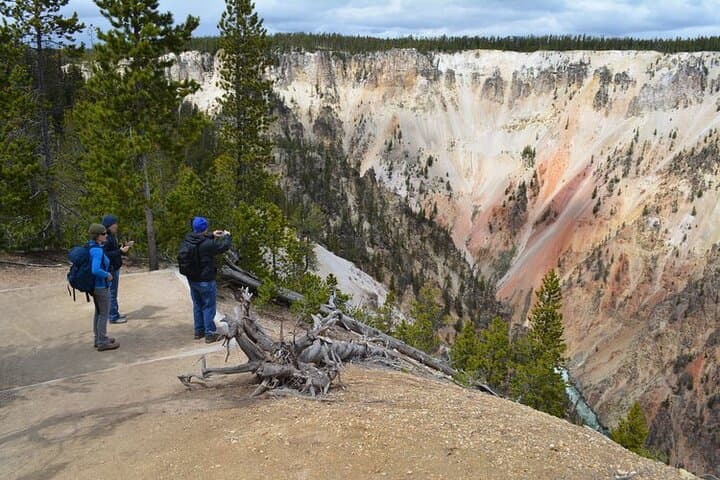
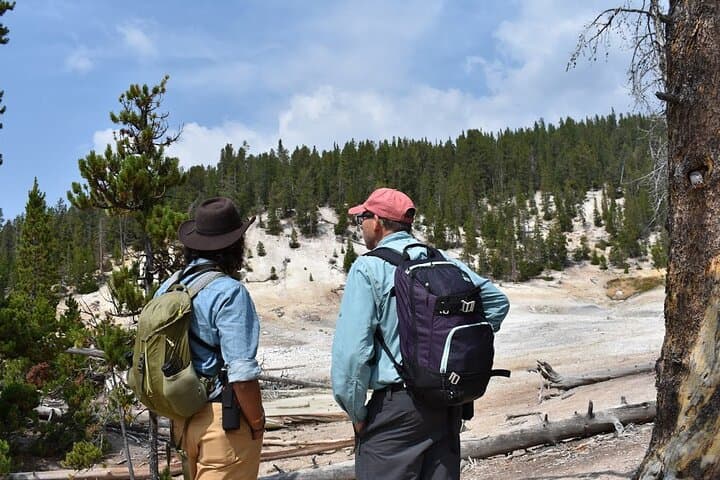
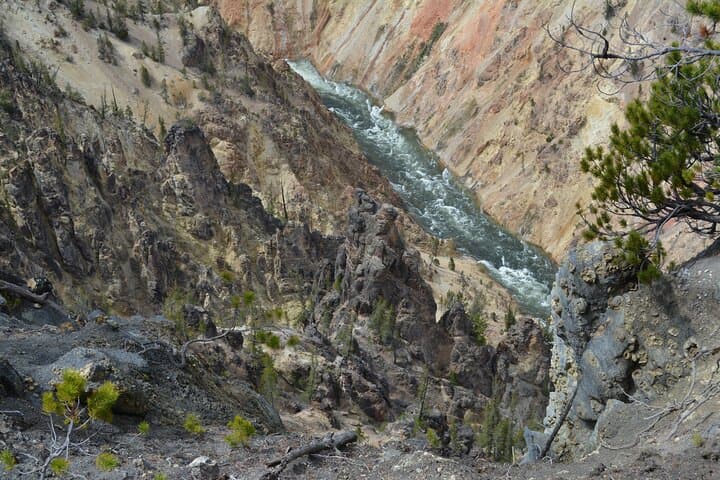
You step off the trail and the canyon answers. The Yellowstone River threads the gorge far below, its water daring you to follow the roar with your eyes; steam from distant thermal basins drifts across tree-lined ridges like a slow-moving weather system. On a private full-day from Canyon Village, the route moves deliberately—rimside viewpoints that expose the canyon’s oxidized cliffs, a ribbon lake tucked away in a basin that seems to hold its own quiet weather, and meadow stretches where wapiti graze with casual authority.
Verified experiences and guided adventures in the surrounding area.
Operated by Shurr Adventures Everglades · Canyon Village, Wyoming
You step off the trail and the canyon answers. The Yellowstone River threads the gorge far below, its water daring you to follow the roar with your eyes; steam from distant thermal basins drifts across tree-lined ridges like a slow-moving weather system. On a private full-day from Canyon Village, the route moves deliberately—rimside viewpoints that expose the canyon’s oxidized cliffs, a ribbon lake tucked away in a basin that seems to hold its own quiet weather, and meadow stretches where wapiti graze with casual authority.
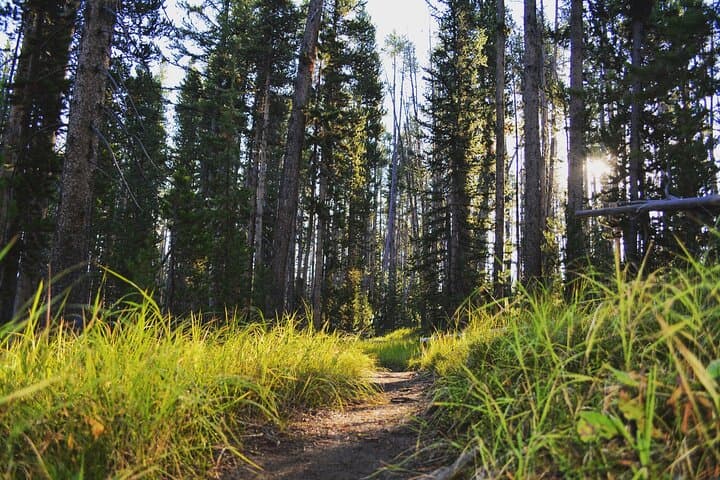
The canyon itself is part geology lesson, part frontier story. Carved by the Yellowstone River and honed by glacial action and hydrothermal alteration, the steep walls reveal layers of rhyolite and basalt stained ochre by iron and sulfur. The Washburn Expedition and later surveys made these views famous in the late 1800s; Hayden’s mapping of the park helped cement federal protection. On the walk you pass through ecosystems stacked close—lodgepole pine and aspen giving way to wet meadow, then to the fragile crusts around thermal features that require caution and respect.
Cultural notes arrive on the trail: the canyon and surrounding valleys have long histories of Indigenous presence and seasonal movement, and modern park stewardship balances heavy visitation with strict rules—especially around thermal areas. Your private guide negotiates that boundary, offering explanations about why a steaming pool looks like it’s boiling when it’s not, and why the canyon’s color shifts after rain.
Practically speaking, expect a robust day: plan for roughly 8–10 miles and 600–900 feet of cumulative elevation gain over undulating trails, short singletrack, and boardwalk sections near thermal areas. Terrain can be dusty and uneven; the reward is frequent viewpoints—Artist Point and the Brink of the Lower Falls make for dramatic stopping points, while quieter spurs lead to Ribbon Lake and the Clear Lake basin.
Hydration and pacing are non-negotiable: seasonal weather can switch from bright sun to sleet in hours, and wildlife encounters happen—give elk and bison wide berth. Your guide supplies a picnic lunch, snacks, bottled water if you need it, and can provide trekking poles. The tour’s private format means you set the pace: linger at overlooks, or keep moving to cover more ground. Finish the day with a wide view toward Hayden Valley as late light slants across the canyon—an unhurried way to absorb why Yellowstone remains a working laboratory of earth and life.
For preparation: break in your boots, bring layered clothing, carry a liter-plus of water, and have bear spray accessible. Book early for summer windows; shoulder seasons offer quieter trails and sharper light.
moderate.
5–6 hours.
Moderate fitness—comfortable walking 8–10 miles with some short climbs; suitable for regular hikers
Expect about 8–10 miles with 600–900 feet of cumulative elevation gain over varied terrain; it’s rated moderate—regular hikers will be comfortable.
Yes—Yellowstone park entrance fees apply; this tour includes bypass for odd-even vehicle restrictions when in effect, but you still need a valid park pass or the guide will advise on entrance procedures.
The route passes near thermal areas with your guide; Yellowstone rules require staying on designated trail or boardwalks where present—guides will point out safe viewing zones and the science behind the features.
The tour includes a scenic picnic lunch, snacks, and bottled water if you don’t bring your own bottle—bringing a refillable bottle is recommended.
Elk and bison are common in meadow areas; stay 100 yards from bears and wolves, 25 yards from other large animals, and follow your guide’s instructions during any encounter.
Meet in front of the post office area at Canyon Village; guests follow guides in their own vehicles about 10 minutes to the trailhead and can leave their cars at the endpoint.
The Grand Canyon of the Yellowstone was shaped by river incision, glacial scouring, and hydrothermal alteration; 19th-century surveys by Hayden and the Washburn expedition helped bring the area to public attention.
Thermal features are fragile—stay on trails and boardwalks, pack out trash, and obey wildlife distance rules to protect habitat and yourself.
Shurr Adventures Everglades operates guided outdoor trips and adventures with an emphasis on safety, stewardship, and memorable experiences.
You step off the trail and the canyon answers. The Yellowstone River threads the gorge far below, its water daring you to follow the roar with your eyes; steam from distant thermal basins drifts across tree-lined ridges like a slow-moving weather system. On a private full-day from Canyon Village, the route moves deliberately—rimside viewpoints that expose the canyon’s oxidized cliffs, a ribbon lake tucked away in a basin that seems to hold its own quiet weather, and meadow stretches where wapiti graze with casual authority.
You step off the trail and the canyon answers. The Yellowstone River threads the gorge far below, its water daring you to follow the roar with your eyes; steam from distant thermal basins drifts across tree-lined ridges like a slow-moving weather system. On a private full-day from Canyon Village, the route moves deliberately—rimside viewpoints that expose the canyon’s oxidized cliffs, a ribbon lake tucked away in a basin that seems to hold its own quiet weather, and meadow stretches where wapiti graze with casual authority.
The canyon itself is part geology lesson, part frontier story. Carved by the Yellowstone River and honed by glacial action and hydrothermal alteration, the steep walls reveal layers of rhyolite and basalt stained ochre by iron and sulfur. The Washburn Expedition and later surveys made these views famous in the late 1800s; Hayden’s mapping of the park helped cement federal protection. On the walk you pass through ecosystems stacked close—lodgepole pine and aspen giving way to wet meadow, then to the fragile crusts around thermal features that require caution and respect.
Cultural notes arrive on the trail: the canyon and surrounding valleys have long histories of Indigenous presence and seasonal movement, and modern park stewardship balances heavy visitation with strict rules—especially around thermal areas. Your private guide negotiates that boundary, offering explanations about why a steaming pool looks like it’s boiling when it’s not, and why the canyon’s color shifts after rain.
Practically speaking, expect a robust day: plan for roughly 8–10 miles and 600–900 feet of cumulative elevation gain over undulating trails, short singletrack, and boardwalk sections near thermal areas. Terrain can be dusty and uneven; the reward is frequent viewpoints—Artist Point and the Brink of the Lower Falls make for dramatic stopping points, while quieter spurs lead to Ribbon Lake and the Clear Lake basin.
Hydration and pacing are non-negotiable: seasonal weather can switch from bright sun to sleet in hours, and wildlife encounters happen—give elk and bison wide berth. Your guide supplies a picnic lunch, snacks, bottled water if you need it, and can provide trekking poles. The tour’s private format means you set the pace: linger at overlooks, or keep moving to cover more ground. Finish the day with a wide view toward Hayden Valley as late light slants across the canyon—an unhurried way to absorb why Yellowstone remains a working laboratory of earth and life.
For preparation: break in your boots, bring layered clothing, carry a liter-plus of water, and have bear spray accessible. Book early for summer windows; shoulder seasons offer quieter trails and sharper light.