THE ADVENTURE COLLECTIVE® · Independent discovery and booking for outdoor travel

Spend a private full day exploring the Great Pyramids, the Step Pyramid at Saqqara and Sneferu’s experimental pyramids at Dahshur. This guided circuit combines close‑up views, interior visits and a lunchtime break with private transport and all entry fees included.
Spend a private full day exploring the Great Pyramids, the Step Pyramid at Saqqara and Sneferu’s experimental pyramids at Dahshur. This guided circuit combines close‑up views, interior visits and a lunchtime break with private transport and all entry fees included.
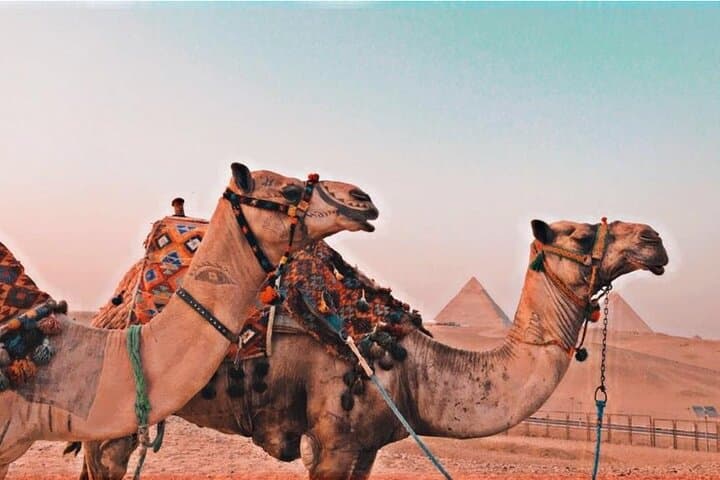
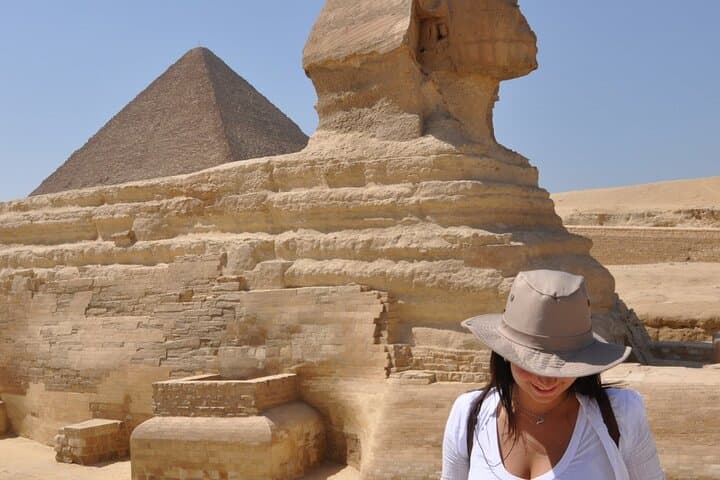
You step out of the air‑conditioned vehicle and the desert lays itself flat and honest before you — heat rising off ancient limestone, a long silhouette of the Great Pyramid sharpening against the sky. The Sphinx sits just beyond, an enigmatic face met by touring parties and the quiet scrape of sand, while the road to Saqqara and Dahshur stretches south into lower dunes and older stone.
Verified experiences and guided adventures in the surrounding area.
Operated by EgyptTuT · Giza, Giza Governorate
You step out of the air‑conditioned vehicle and the desert lays itself flat and honest before you — heat rising off ancient limestone, a long silhouette of the Great Pyramid sharpening against the sky. The Sphinx sits just beyond, an enigmatic face met by touring parties and the quiet scrape of sand, while the road to Saqqara and Dahshur stretches south into lower dunes and older stone.
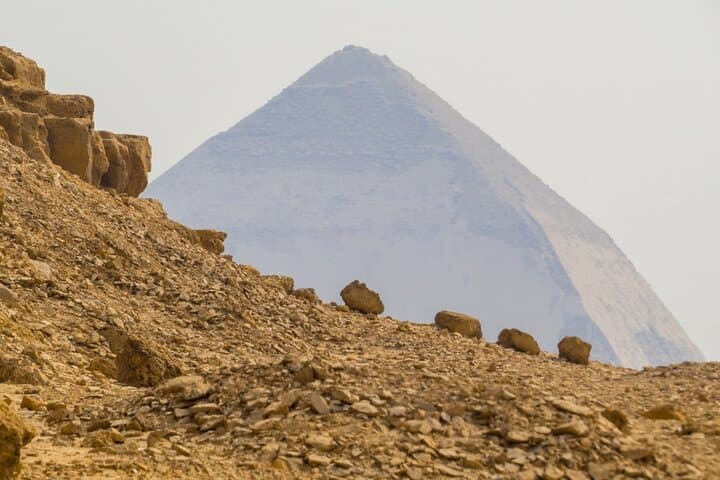
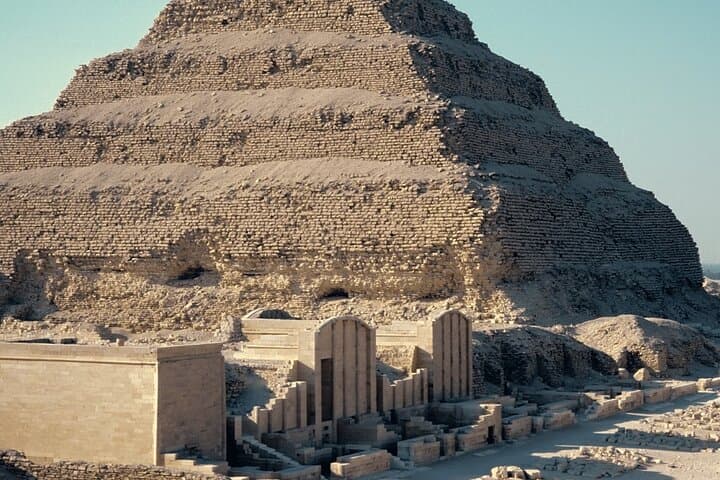
This full‑day private circuit threads three eras of Egyptian monument building. At Giza you’ll see Khufu, Khafre and Menkaure — the geometric works that define the Old Kingdom skyline — and the Sphinx that gazes eastward. Saqqara, 27 km from central Cairo, holds Djoser’s Step Pyramid, a major leap from flat mastabas to vertical stone, designed by the architect Imhotep. Dahshur presents Sneferu’s experimental phase: the Bent Pyramid and the Red Pyramid reveal the technical steps that led to the true pyramid shape.
Culturally, these sites map ancient administrative power and funerary innovation; Memphis nearby was the political heart, its open‑air museum preserving colossal statues and relics. Geologically, the area sits on a limestone plateau capped by wind‑blown sands that both expose and abrade the monuments.
Practical guidance: plan for a 6–8 hour day with private transport and a licensed Egyptologist guide; entry fees and lunch are included. Start early to avoid mid‑day heat, wear sturdy shoes for uneven stone and loose sand, carry sunscreen and plenty of water, and be ready for low, narrow internal passages if you visit pyramid interiors. Respect barriers, follow your guide, and keep small bills for tips and local purchases — this route rewards patience with quieter viewpoints and a deeper sense of how these structures evolved.
Yes — the tour lists all entry tickets and a restaurant lunch as part of the inclusions.
The itinerary notes interior access to the Great Pyramid; interior visits are included but can be subject to site limits and brief confined spaces.
The operator indicates wheelchair‑accessible transportation and some site access, but interiors and some uneven paths may limit full mobility; check pickup and specific site access at booking.
Tipping is customary for guides and drivers; bring small bills for tips, souvenirs and purchases at the papyrus institute or local stalls.
EgyptTuT operates guided outdoor trips and adventures with an emphasis on safety, stewardship, and memorable experiences.
You step out of the air‑conditioned vehicle and the desert lays itself flat and honest before you — heat rising off ancient limestone, a long silhouette of the Great Pyramid sharpening against the sky. The Sphinx sits just beyond, an enigmatic face met by touring parties and the quiet scrape of sand, while the road to Saqqara and Dahshur stretches south into lower dunes and older stone.
You step out of the air‑conditioned vehicle and the desert lays itself flat and honest before you — heat rising off ancient limestone, a long silhouette of the Great Pyramid sharpening against the sky. The Sphinx sits just beyond, an enigmatic face met by touring parties and the quiet scrape of sand, while the road to Saqqara and Dahshur stretches south into lower dunes and older stone.
This full‑day private circuit threads three eras of Egyptian monument building. At Giza you’ll see Khufu, Khafre and Menkaure — the geometric works that define the Old Kingdom skyline — and the Sphinx that gazes eastward. Saqqara, 27 km from central Cairo, holds Djoser’s Step Pyramid, a major leap from flat mastabas to vertical stone, designed by the architect Imhotep. Dahshur presents Sneferu’s experimental phase: the Bent Pyramid and the Red Pyramid reveal the technical steps that led to the true pyramid shape.
Culturally, these sites map ancient administrative power and funerary innovation; Memphis nearby was the political heart, its open‑air museum preserving colossal statues and relics. Geologically, the area sits on a limestone plateau capped by wind‑blown sands that both expose and abrade the monuments.
Practical guidance: plan for a 6–8 hour day with private transport and a licensed Egyptologist guide; entry fees and lunch are included. Start early to avoid mid‑day heat, wear sturdy shoes for uneven stone and loose sand, carry sunscreen and plenty of water, and be ready for low, narrow internal passages if you visit pyramid interiors. Respect barriers, follow your guide, and keep small bills for tips and local purchases — this route rewards patience with quieter viewpoints and a deeper sense of how these structures evolved.