THE ADVENTURE COLLECTIVE® · Independent discovery and booking for outdoor travel

Spend a day along Israel’s southern frontier on a private, full-day tour that blends frontline history, local community life, and coastal landscapes. Ideal for travelers seeking context-rich visits with practical pacing and experienced local guides.
Spend a day along Israel’s southern frontier on a private, full-day tour that blends frontline history, local community life, and coastal landscapes. Ideal for travelers seeking context-rich visits with practical pacing and experienced local guides.
A low, coastal wind carries salt and the distant rumble of a working landscape as the day begins along Israel’s southern frontier. The tour moves by private vehicle, pausing at roadside vantage points where concrete and scrub intersect—small towns, memorials, and community farms that have grown up with the border at their back.
Verified experiences and guided adventures in the surrounding area.
A low, coastal wind carries salt and the distant rumble of a working landscape as the day begins along Israel’s southern frontier. The tour moves by private vehicle, pausing at roadside vantage points where concrete and scrub intersect—small towns, memorials, and community farms that have grown up with the border at their back.
This region’s story is layered: Bronze Age ruins and Ottoman-era routes lie under fields that saw 20th-century settlement and late-century conflict. Geologically, the coastal plain gives way southward to sandier soils and reclaimed agricultural plots; you’ll notice hedgerows and windbreaks that communities planted to shield orchards and courtyards.
Culturally, the Gaza Envelope is defined by resilient local life—community centers, kibbutz and moshav rhythms, and informal memorials that mark recent events. Guides typically explain how daily routines adapt to security protocols and how civic life intertwines with history.
Practical guidance: expect a full day (about 8–10 hours) in a private vehicle with several short, guided walks—wear sturdy walking shoes, sun protection, and layers for variable coastal winds. Carry photo ID and heed guide instructions about restricted areas and photography near sensitive sites. Hydrate regularly; services and shade can be sparse between stops.
Timing matters—mornings bring clearer light for photography and cooler temperatures; late afternoon softens contrasts and eases travel back to Ashkelon or Beersheba. A private tour offers flexibility: ask your guide about local food options, community centers to visit, and any living-history interviews they can arrange to deepen context.
easy.
8–10 hours.
Light to moderate mobility for short walks; mostly vehicle-based with standing at stops
The tour runs about 8–10 hours, typically a full day with multiple stops and short walks.
Guided visits follow current safety protocols and avoid restricted zones; always follow the guide’s instructions and carry ID.
Yes—most tours include scheduled breaks at local cafes or roadside restaurants; tell your guide about dietary needs in advance.
Photography is allowed at many stops, but restrictions apply near security infrastructure and private property—always ask your guide.
This coastal-southern fringe has layers from ancient trade routes through modern settlement; recent decades have added civic memorials and community infrastructure shaped by proximity to the border.
Agricultural reclamation and windbreak planting have reshaped local habitats; visitors are encouraged to stay on paths and respect private farmland to reduce disturbance.
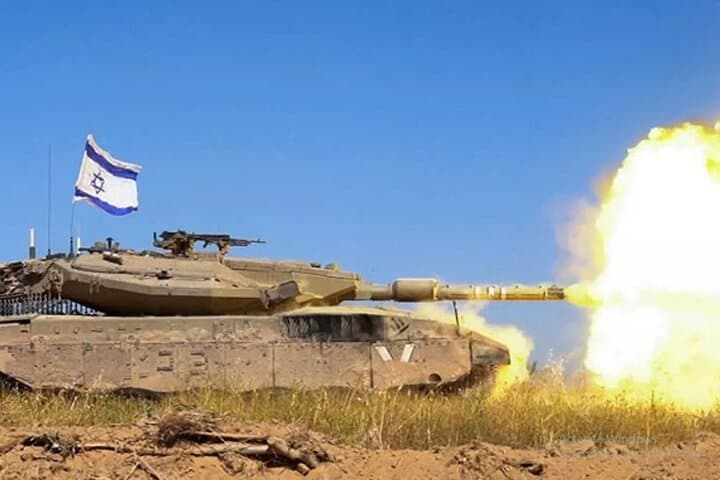
A low, coastal wind carries salt and the distant rumble of a working landscape as the day begins along Israel’s southern frontier. The tour moves by private vehicle, pausing at roadside vantage points where concrete and scrub intersect—small towns, memorials, and community farms that have grown up with the border at their back.
A low, coastal wind carries salt and the distant rumble of a working landscape as the day begins along Israel’s southern frontier. The tour moves by private vehicle, pausing at roadside vantage points where concrete and scrub intersect—small towns, memorials, and community farms that have grown up with the border at their back.
This region’s story is layered: Bronze Age ruins and Ottoman-era routes lie under fields that saw 20th-century settlement and late-century conflict. Geologically, the coastal plain gives way southward to sandier soils and reclaimed agricultural plots; you’ll notice hedgerows and windbreaks that communities planted to shield orchards and courtyards.
Culturally, the Gaza Envelope is defined by resilient local life—community centers, kibbutz and moshav rhythms, and informal memorials that mark recent events. Guides typically explain how daily routines adapt to security protocols and how civic life intertwines with history.
Practical guidance: expect a full day (about 8–10 hours) in a private vehicle with several short, guided walks—wear sturdy walking shoes, sun protection, and layers for variable coastal winds. Carry photo ID and heed guide instructions about restricted areas and photography near sensitive sites. Hydrate regularly; services and shade can be sparse between stops.
Timing matters—mornings bring clearer light for photography and cooler temperatures; late afternoon softens contrasts and eases travel back to Ashkelon or Beersheba. A private tour offers flexibility: ask your guide about local food options, community centers to visit, and any living-history interviews they can arrange to deepen context.